
Devon politicians will join a national cohort at Westminster to push for more cash for the county’s schools.
The F40 group comprises a host of English councils that receive the lowest level of education funding, and often consistently so.
When F40 began 20 years ago, its main focus was on the unfairness of funding that could see some councils receive as much as £5,000 less per pupil than some other authorities.
But the lobbying has now stretched to cover the issue of how much funding schools are receiving, especially given the national push for schools to accommodate more children with special educational needs and disabilities.
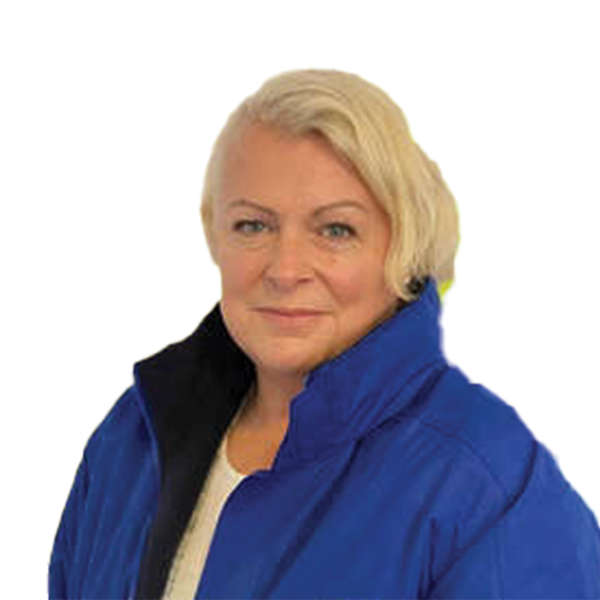
Councillor Denise Bickley (Liberal Democrat, Sidmouth) will be attending an event in Westminster on Monday (19 January) with her colleague Councillor Richard Jefferies (Liberal Democrat, Feniton & Honiton).
“We’re going to ask if they can have another look at our funding,” Cllr Bickley told the Local Democracy Reporting Service.
“The government has removed the part of the funding in children’s services that accounted for rurality, and that’s a problem for Devon.
“And when you’re trying to improve things, like we are in Devon, you need the funding. Devon is a long way behind but it should be getting the same per pupil funding levels as other councils.”
The f40 group, which represents 43 local authorities among the lowest funded in England, is urging Government to reform the SEND system to prioritise early intervention and inclusion in mainstream education; provide investment and resources for schools to meet rising demand; and improve the National Funding Formula to ensure fair distribution of funding across all schools.
Currently, Devon schools receive just under £5,000 less per mainstream pupil for gross dedicated schools grant funding, and its SEND funding is 60 per cent less than the highest funded local authorities.
A recent change in Devon that means those eligible for free school meals are automatically enrolled has given a small cash boost to the county’s schools.
But the rural nature of Devon often means transport costs are high, and the viability of smaller schools can become problematic if pupil numbers are low.
In 2024, Kingswear Primary School closed due to a substantial drop in pupil numbers. The school had 66 pupils on roll in 2017, and discussions were taking place around that time to try to find space for an extra classroom.
However, in the 2022/23 academic year, there were just 13 children on roll, five of whom were in their final year of primary school and set to move to secondary school.
 One damage claim for every seven miles of Devon’s roads
 Changes to recycling from later this month say government – but most householders will see little change
 Plans set out to improve short breaks support for disabled children and families in Devon
 Devon County Council to address housing need