
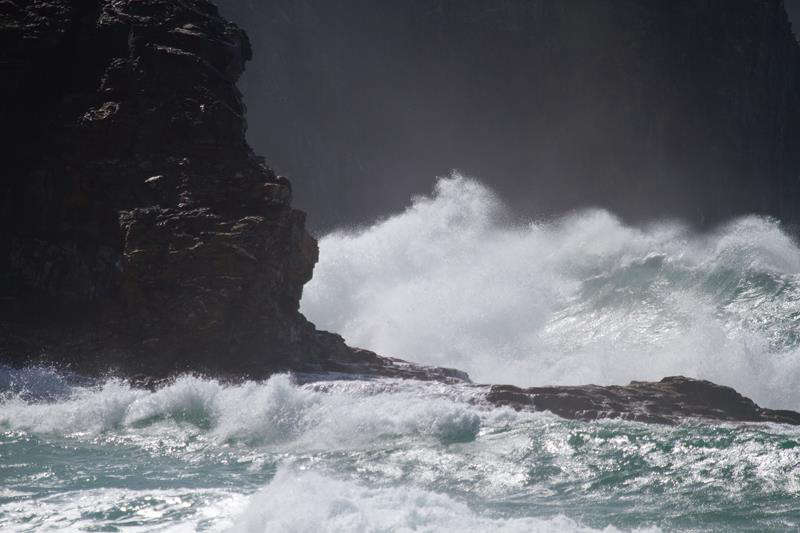
The RNLI is urging those in coastal locations to be aware of the current swell forecast to hit the south west on Friday (30 January) with the potential for waves up to 15 foot to cause sudden surges up exposed beaches, and top over sea fronts and harbour walls, catching people unaware.
Steve Instance, RNLI Water Safety Lead for the south west says it is the period between the waves that makes these conditions particularly concerning, he says;
‘Current forecasts for Friday are predicting wave heights between 10-15 feet, which isn’t unusual for this time of year, however what makes this particularly worrying is the long lull, or swell period between the waves.
Surf forecasts are predicting a 17 second swell period. What this looks like is a gap between sets of very large, very powerful waves of up to 15 minutes. This could mean, particularly close to high tide in the middle of the day, people walking on beaches or along sea fronts will be faced will a sudden surging set of waves racing 2-300 metres up the beach, or topping over sea or harbour walls. There is a risk this could catch walkers out and in the worst case sweep them off their feet into the sea.
We’ve seen so many times how easy it is to get caught out by the sea, and we know that nearly half of people who die at the coast never intend to go into the water. Our advice is to keep well away from what will be wet and slippery cliff edges, sea fronts and beaches on Friday.
If you do plan to visit the coast or a waterside location, we urge you stay a safe distance from the water as conditions could knock you off your feet or wash you into the sea, let someone know where you are going and carry a means of calling for help.
'If you find yourself in trouble in the water, remember to Float to Live: lie back in the water with your head so far back that your ears are submerged, extend your arms and legs and try to relax as best as you can until you get control of your breathing. If you see someone else in danger in the water, call 999 or 112 and ask for the Coastguard. If you have something that floats that they can hold on to, throw it to them. Don’t go in the water yourself – you could end up in difficulty too.’
 Water bills set to increase from April
 Devon County Council Leader issues urgent call to Government for storm recovery funding
 Heavy flooding continues to disrupt rail services
 Flooding update