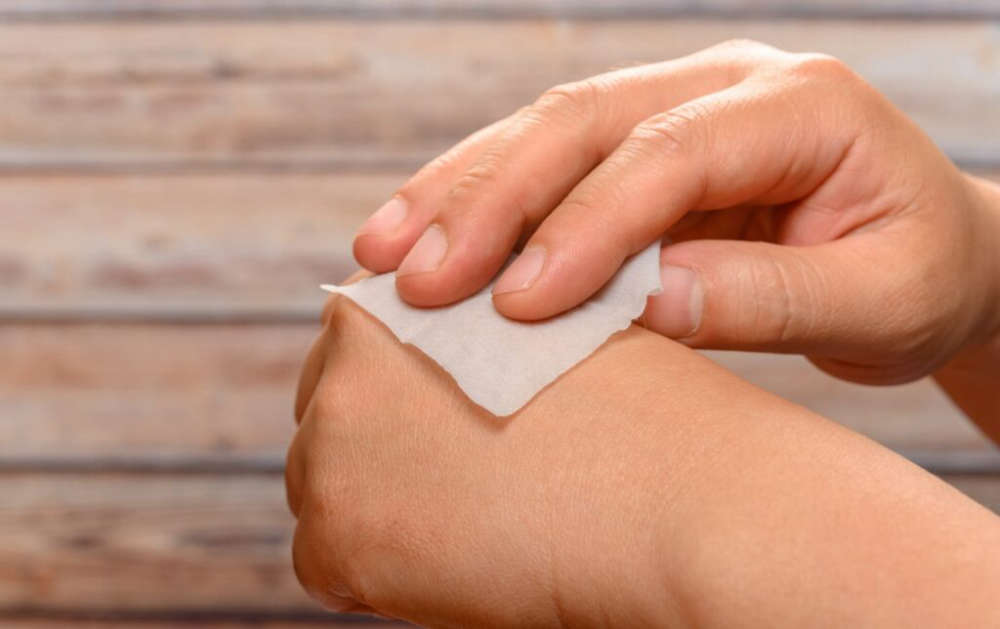
The UK Health Security Agency (UKHSA) and Medicines and Healthcare products Regulatory Agency (MHRA) are reminding the public not to use four specified non-sterile alcohol-free wipe products under any circumstances due to an ongoing risk of infection associated with their use.
dditionally, UKHSA and MHRA would like to remind people that non-sterile alcohol-free wipes, of any type or brand, should not be used for first aid, applied on broken or damaged skin and should never be used for cleaning intravenous lines.
There have been 59 confirmed cases of Burkholderia stabilis identified in an outbreak in the United Kingdom from January 2018 to 3 February 2026, associated with some non-sterile alcohol-free wipe products. A small number of cases continue to be detected. These have included some serious infections which have required hospital treatment and one death has been attributed to Burkholderia stabilis infection.
Burkholderia stabilis is a bacteria found in natural environments, rarely causing infection in healthy individuals and the risk to the general population is very low. However immunocompromised individuals, those with other risk factors such as cystic fibrosis and patients at home with intravenous lines, are at higher risk of developing infection. No person-to-person transmission has been identified.
During outbreak investigations in 2025, the following products were found to be contaminated with Burkholderia. These four products should not be used under any circumstances:
· ValueAid Alcohol Free Cleansing Wipes
· Microsafe Moist Wipe Alcohol Free
· Steroplast Sterowipe Alcohol Free Cleansing Wipes
· Reliwipe Alcohol Free Cleansing Wipes (testing revealed contamination with a Burkholderia strain not related to the outbreak cases).
The MHRA issued notices to the sellers of these products in July, resulting in their withdrawal from sale. However, some of these products may still remain in some first aid kits and in people’s homes. Members of the public should check for these wipes in their home including in first aid kits. Anyone who still has any of the identified affected products should stop using them immediately and dispose of them in standard household waste.
 Petition of 3,000 names calling for rail line resilience presented to parliament
 Children’s Mental Health Week 2026
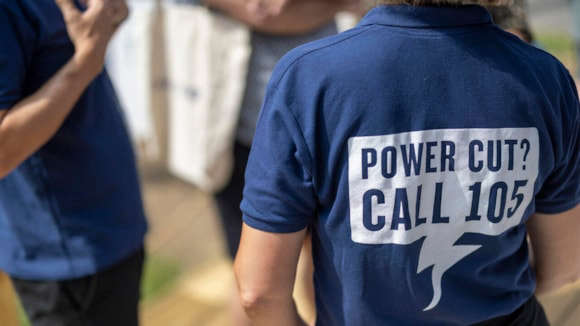 86% of people in South West in the dark about free power cut helpline
 Devon welcomes Government drive to raise profile of fostering