
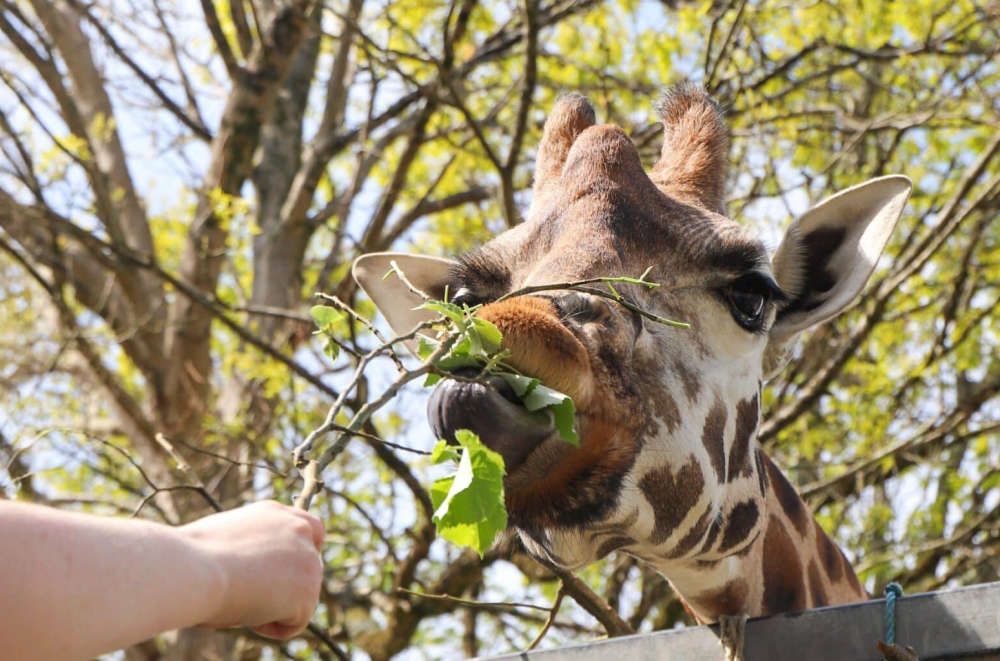
Zoos and animal attractions in Devon are open for “business as usual” throughout the bluetongue outbreak that is sweeping the county as the disease does affect humans.
Local attractions such as Paignton Zoo, Totnes Rare Breeds Farm and The Big Sheep near Ilfracombe have taken precautions and vaccinated their animals most at risk from the virus which is spread by biting midges.
The county has been hard hit with 304 cases so far diagnosed on farms since July 10.
Bluetongue affects ruminants and camelids, including sheep, cattle, goats, deer, llamas, and alpacas but sheep are the most severely impacted.
However, humans cannot catch bluetongue and are completely safe around sick animals.
The virus can cause fever, swelling and death and farmers in Devon have reported losing large amounts of their stock within a day of animals being diagnosed after the outbreak in this country took hold very quickly.
Paignton Zoo is owned by Libéma, a Dutch company that operates multiple parks and zoos in the Netherlands as well as Newquay Zoo in Cornwall.
Head of living collections at the zoo Lisa Britton said because of the virus being prevalent on the continent, no animals had been allowed to be transported to the UK for some time.
She said sheep and yaks on site had already been vaccinated against bluetongue and there was a programme of vaccination being looked into for potential risk species including pigs, cattle, deer, goats, camels and vicuna.
“The virus has not been reported in exotic animals but we are liaising with our zoo colleagues across Europe and adhering to APHA (Animal and Plant Health Agency) guidelines,” added Lisa.
She said sheep were regularly tested for TB and were used to being jabbed whereas some of the other animals would need to be trained to willingly take the vaccine and that could be one or two doses annually for bluetongue.
She said potentially infected animals would not have to isolate because the virus could not be spread through direct contact like saliva or nose to nose and posed no threat to people.
“It’s not something that would or should affect our footfall,” she said.
Biting midges feed on the blood of an infected animal, carrying the virus in their bodies, and passing it to healthy, susceptible animals during subsequent bites.
Vets believe this year’s outbreak could be the result of the virus being overwintered as bluetongue can remain active in the blood of cattle for 60 days and can pass to an unborn calf through the placenta.
A Defra spokesperson confirmed that zoos and attractions could stay open because there was no risk to visitors and added : “We recognise how concerning bluetongue is for animal keepers. We continue to work closely with industry and are putting processes in place to bring in additional vaccine supplies whilst urging keepers and vets to place orders to ensure access.
“There is a wide range of support available to help keepers protect their livestock and we will continue to monitor the situation closely.”
Farmers and animal keepers are being asked to keep a close watch for signs of bluetongue and report any suspicion immediately to APHA or their local vet.
 Appeal following convenience store burglary, Whimple
 Retailers reminded of new tobacco and vape sales laws
 Citizens Advice Exeter celebrates 80 years of service to the city
 Exeter universities success in driving economic growth and regeneration recognised in national assessment
 PCC secures £195,000 to support victims and enhance safety measures following prison early release changes
 East Devon District Council awards leisure services contract
 Local food waste charity awarded City Grant funding
 You’ll never guess the unexpected trial one politician wants to bring to Exeter
 Could Exeter’s ‘windy’ farmer’s market be on the move?
 South West Water applies for non-essential water use restrictions due to pressure on local water resources
 Two organisations charged with corporate manslaughter following fatal boating incident
 New text messaging service introduced to help residents with Council Tax
 New leisure, health and community facilities approved for Cranbrook
 Take a seat for your mental health: new support benches installed across Devon
 Ofsted and CQC inspectors want your views by 13 October
 City council refuses garden bins move