
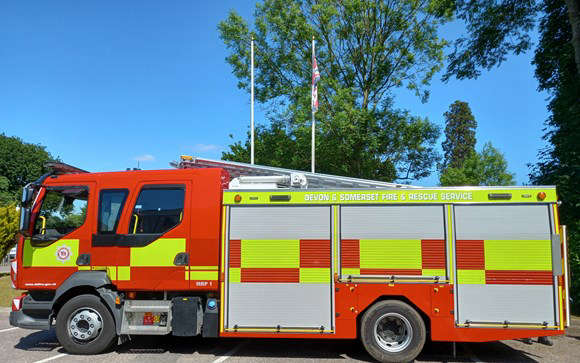
The economic squeeze is hitting the ability of many of Devon’s fire stations to recruit people willing to be on-call to respond to emergencies, according to a longstanding commander.
Dave Harvey, station commander at Kingsbridge Fire Station, said the economic climate had made it harder for his station to recruit people because many organisations now had fewer staff.
Coupled with fears about job insecurity meaning more individuals felt like they wouldn’t be able to leave their place of work at short notice to attend a shout, there’s a dearth of new applicants.
A spokesperson for Devon & Somerset Fire and Rescue Service confirmed it was “always recruiting on-call firefighters”, particularly in more rural areas.
Mr Harvey, who has worked for the fire service for 33 years, predominantly alongside his self-employed work and more recently with a role at South Hams District Council, said his station would ideally have 12 or 13 people on its roster.
But it only has nine right now, having just lost one person.
“The economic climate has changed, and it is harder for us to delve into the local pot as a lot of people have not been allowed to leave work,” he said.
“We need to get some local employers to try and support us, but there are no end of shops in Fore Street here that used to employ five people, and so would willingly let one go, but now it’s down to the owner and one member of staff, and so they don’t want to lose that person [intermittently].”
Mr Harvey, who was awarded two long-service medals in 2024, said anyone considering becoming an on-call firefighter could stipulate at the outset the times and days they would be available for shouts, meaning the person and their employer would know when that staff member could be called.
And he noted anyone considering joining would undertake some written, medical and physical tests, including a bleep test – which involves running between two points 20 metres apart and reaching level 8.6 – equivalent to a distance of around 1.2-1.3 kilometres.
An induction day and basic training, as well as some other courses, would follow.
But proximity is key.
“Our average turnout is no more than five minutes, from our pager going off to pulling out the fire station,” he said.
“We will go to seven minutes, but as a general rule, if a firefighter turned up eight minutes after the call, the pump won’t be here.”
Kingsbridge, which has one fire engine, needs a minimum of four members onboard to leave the station albeit five is preferred, meaning the more people it has on its list, the easier that is to fulfil.
While he only oversees Kingsbridge, he stated many stations were “trying to do a major recruitment push”, something sources within the fire service reiterated too.
He added that organisations would benefit from a staff member being an on-call fire fighter, notably because they would have exceptional first aid training and could conduct fire assessments for the employer.
“Lots of businesses don’t send their employees to first aid courses or know how to use a fire extinguisher, and so if one of their employees was an on-call firefighter, the employer would be benefitting from the skills the fire service has taught that individual,” he added.
Mr Harvey said he felt people were not joining because they “can’t leave work”, and that firms feared “losing a staff member at a critical time”.
If an individual passes the initial assessments to join, then their training is paid for, Mr Harvey said, adding that all equipment would also be provided during training.
A spokesperson for the fire service said: “We’re always recruiting for on-call firefighters across Devon and Somerset, with recruitment particularly important in our more rural and remote areas.
The spokesperson added that the pay structure for on-call firefighters was called Pay for Availability – often referred to as P4A.
“The method has been developed over several years and through various trials,” the spokesperson said.
“Under P4A, on-call firefighters are paid by the hour for each hour they commit to be available.
“Depending on their personal circumstances, individuals can choose to be available for anywhere between 30 and 120 hours a week. This provides a great deal of flexibility on the hours firefighters need to commit to and gives them a better work-life balance.”
The service is currently in negotiation with unions around the rate of P4A, but a recent report to the Devon & Somerset Fire and Rescue Authority, which oversees the service, said “good progress” was being made.
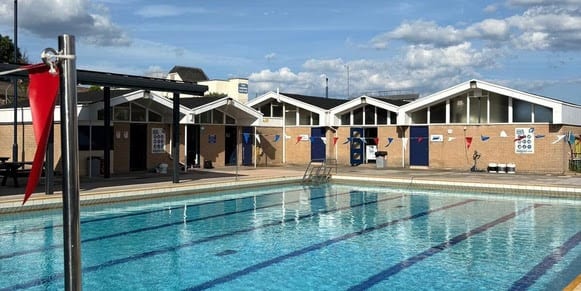 Major protest planned as Teignmouth Lido faces axe
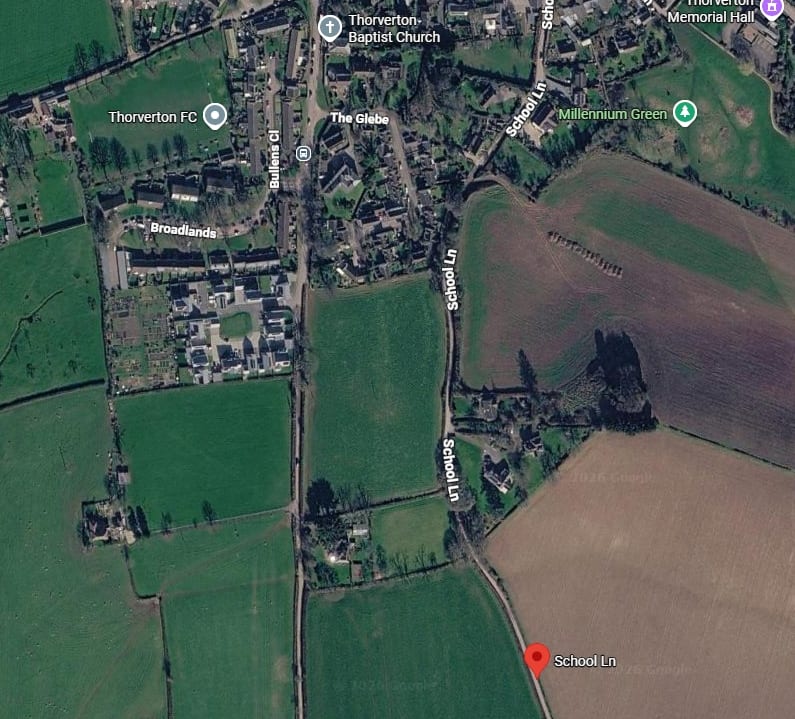 Residents fear traffic chaos from proposed 31 homes plan
 Exeter College students raise thousands to transform cancer treatment in Devon
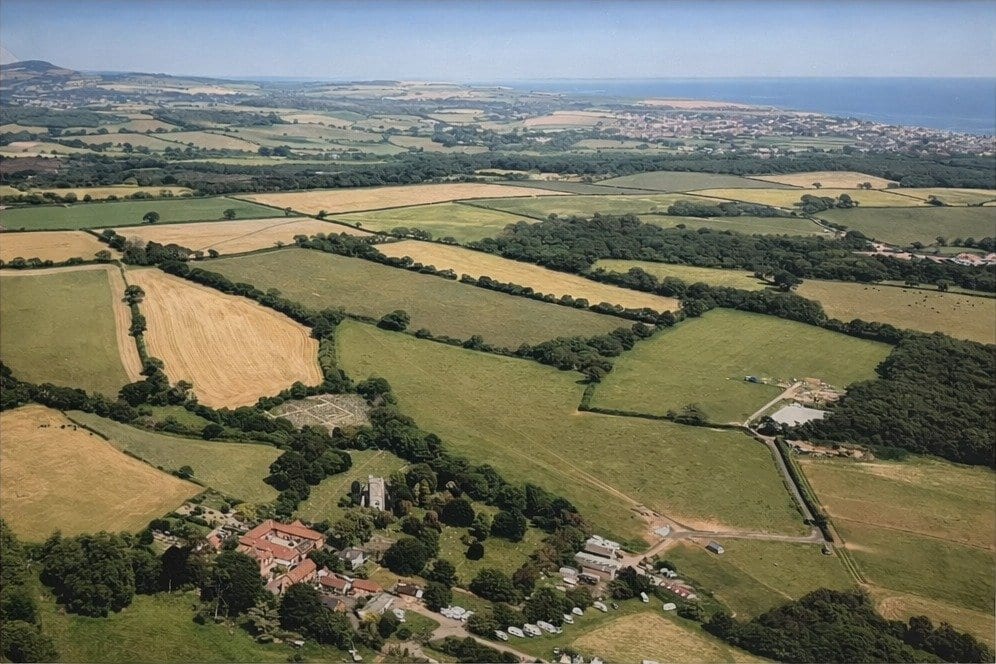 2,000 SIGNATURES AND RISING: RESIDENTS TELL COUNCIL TO DROP EXMO20
 Participants wanted for first-of-its-kind service supporting teenagers with brain injury
 Seven arrested after suspected illegal meat operation uncovered at Devon farm
 Devon health visitor takes child car seat safety message to Parliament
 16 Days of Action calls for change to start with us
 Report Fraud warns as criminals stole £18.3 million through online shopping fraud last festive season
 Nail-biting deadline for massive decade-plus housing plan extended
 Exminster to benefit from £480,000 safety improvements
 Appeal following collision involving van and pedestrian in Exeter
 Newtown Primary Celebrates Remarkable Ofsted Success and ‘Exceptional’ Grading for Inclusion
 The chance to be part of the legacy of a community “village green by the sea” in Exmouth comes to an end in five days.
 Friend of Cemal Yilmaz launches bid to revoke Exmouth bar’s licence
 Wales & West Utilities urges households to protect their homes to keep families safe this winter