
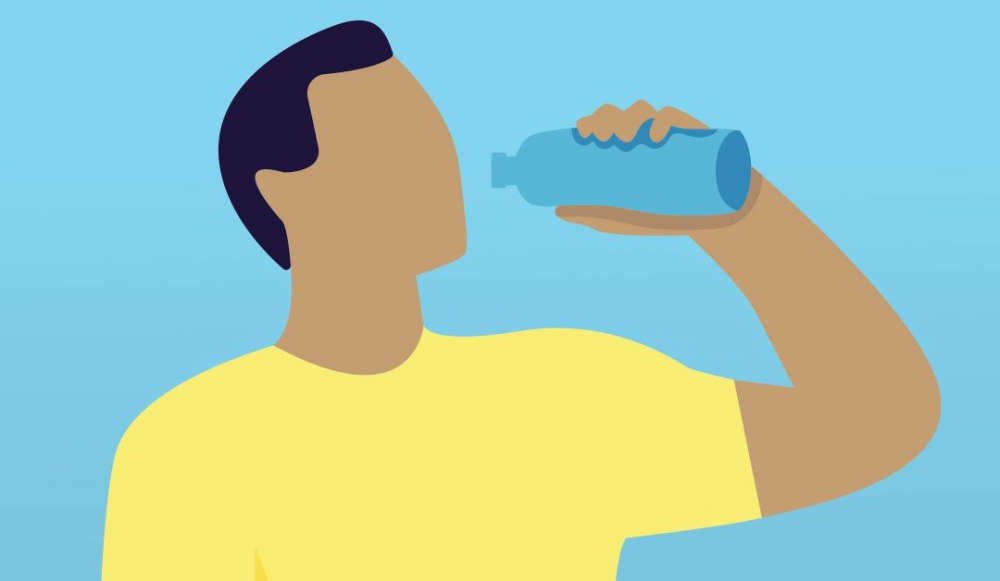
The hot weather in the South West is continuing to have an impact on the number of people presenting at the Royal Devon Emergency Departments with heat related conditions.
Dr Anthony Hemsley, Medical Director and Consultant Geriatrician said: ‘We’re seeing a high number of people coming into our Emergency Departments with advanced dehydration, particularly those with long-term heart and breathing illnesses, and older people.
For most people, dehydration is preventable. You can avoid having to see a doctor or go to ED by staying cool and maintaining your hydration at home.”
Being dehydrated means the amount of water in your body is too low. Early signs can include:
-
Feeling thirsty and tired
-
Having dark yellow, strong-smelling urine
-
Experiencing light-headedness or headaches
-
Having a dry mouth, lips and tongue.
In serious cases people can become very ill, leading to kidney damage.
There are lots of ways you can stay cool and hydrated at home:
Drink fluids throughout the day and check the colour of your urine
Don’t wait until you’re thirsty to drink, have six to eight cups throughout the day. On hot days, or if you are exercising, you should drink more to make up for the extra fluids lost through sweat.
If your urine is pale yellow, you’re most likely to be adequately hydrated, if it is dark yellow, you may be dehydrated and should drink more.
Keep your home and yourself cool
Keep your home cool by closing windows and curtains in rooms that face the sun.
Help keep yourself cool by trying to avoid direct sunlight and removing unnecessary clothing and wearing light-coloured clothes.
Seek help early
If you have a baby or an older or vulnerable family member showing signs of dehydration, call 111.
If you think you might be dehydrated and you’re not getting better after 24 hours, call 111.
If you’re under the care of a specialist nurse and think you might be dehydrated, contact your nurse for advice, or call 111.
Dr Hemsley said: “By staying on top of your hydration at home and seeking advice and support through 111 or a pharmacist if needed, you can avoid a trip to the hospital.”
Find out more about recognising, managing and preventing dehydration on the NHS website.
 Scam letters requesting payment
 Matford Brook Academy Expands Facilities for New School Year
 County Council backs renewed support for Devon farmers hit by bluetongue
 Get vaccinated and don’t visit patients if unwell, health leaders urge as flu hits local hospitals
 Severe drought declared as reservoir levels fall
 All Souls Day Festival returns to Exeter
 Starcross family raise £10k for Hospital ICU Garden Appeal
 25 months in jail for woman who smuggled Thai cannabis
 Homes plan lodged for former Exeter leisure centre
 A Crowdfunding campaign has launched to raise some of the funds needed to build a permanent community “village green by the sea” in Exmouth.
 Fire Service issues enforcement notice for fire safety breaches at Torbay hospital
 Unsung heroes’ who keep Exeter looking good honoured at awards
 County Council backs plan to help young people build a future in Devon
 Householders urged to fight fly-tipping by choosing reputable removers
 Multi-million pound funding boost to Devon’s road’s
 ‘Frustration’ as £5million Newton Abbot market stays shut