
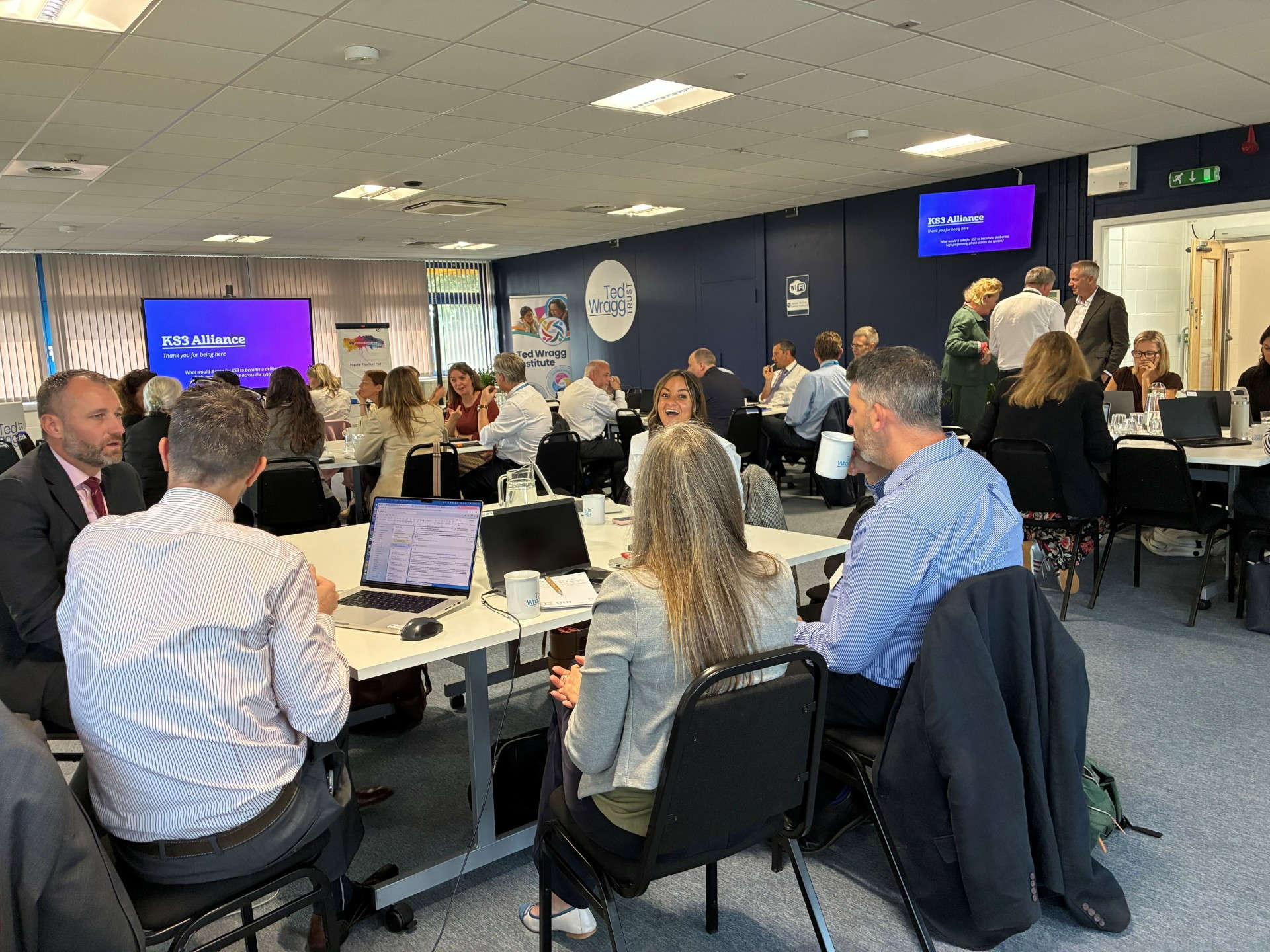
Teachers, headteachers and trust leaders from across the South West have gathered in Exeter to consider how schools can re-energise the early secondary years and make students’ experiences across years 7 to 9 more ambitious, engaging and purposeful.
The event brought education leaders together to share effective practice, examine the challenges facing students during Key Stage 3 and identify the changes that could make the greatest difference.
It was part of a national roadshow organised by the KS3 Alliance, a new sector-led initiative commissioned by the Department for Education through its universal RISE programme.
The event featured contributions from Dan Nicholls, Regional Co-Chair of the KS3 Alliance and CEO of The White Horse Federation, and Moira Marder, Regional Co-Chair and CEO of the Ted Wragg Trust, alongside National Co-Chair Becks Boomer-Clark and keynote speaker and education author Mary Myatt.
Key Stage 3 is the last stage of education experienced by all pupils before they begin to follow different pathways. Despite its importance, it has received significantly less national attention than primary education, GCSEs or post-16 study.
Evidence suggests that pupils’ engagement, attendance and sense of belonging can decline during years 7 to 9, with consequences for attainment, behaviour and longer-term outcomes.
The KS3 Alliance has been established to develop a clearer understanding of what excellent early secondary education looks like and to identify, test and share the approaches already making a difference. Its initial areas of focus include:
- Strengthening pupils’ engagement and sense of belonging
- Building secure foundations in literacy and numeracy
- Improving the use of assessment and data across years 7 to 9
- Developing pupils’ confidence, agency, skills and readiness for future pathways
Throughout the morning, leaders took part in discussions and workshops exploring the experiences of young people in years 7 to 9, including how schools can support them to remain engaged, develop their confidence and build strong foundations for the rest of their education.
The South West programme will now continue with further opportunities for schools and trusts to work together, including the development of a regional KS3 network. Leaders will also work on a new toolkit to help schools and trusts reflect on and evaluate their KS3 provision, alongside gathering examples of practice from schools across the South West.
Participants also contributed to the Alliance’s national Call for Evidence, which is seeking examples of effective practice as well as honest reflections on the lessons schools have learned from implementing different approaches.
Alongside the Call for Evidence, the Alliance is running a national student survey to hear directly from young people about their experiences of learning, belonging, relationships, attendance, behaviour, confidence and enjoyment during years 7 to 9.
 Anger over Newton Abbot market hall delays
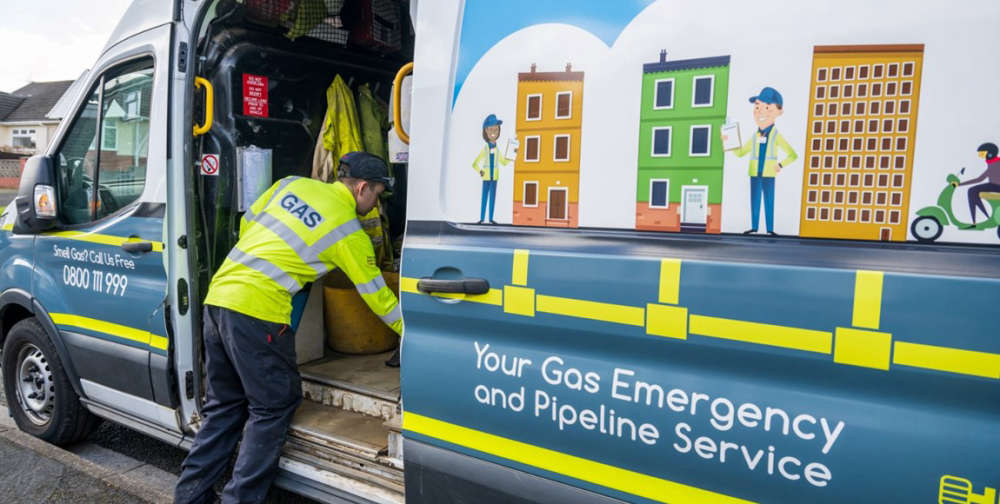 Traffic bulletin from Wales & West Utilities - Queen Street, Exeter
 Thomas Hall Students Support Local Food Bank with Donations
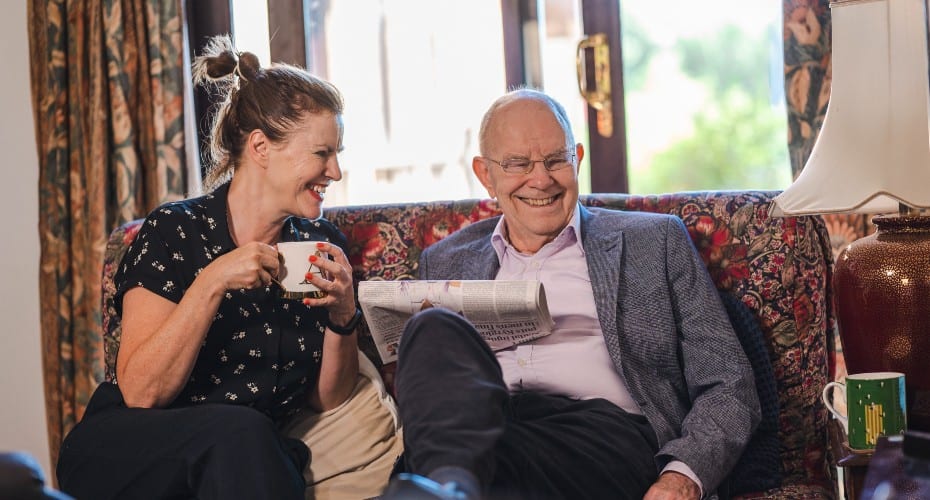 Exeter-led £20 million hub will create ten brain health clinics to help NHS reduce dementia risk
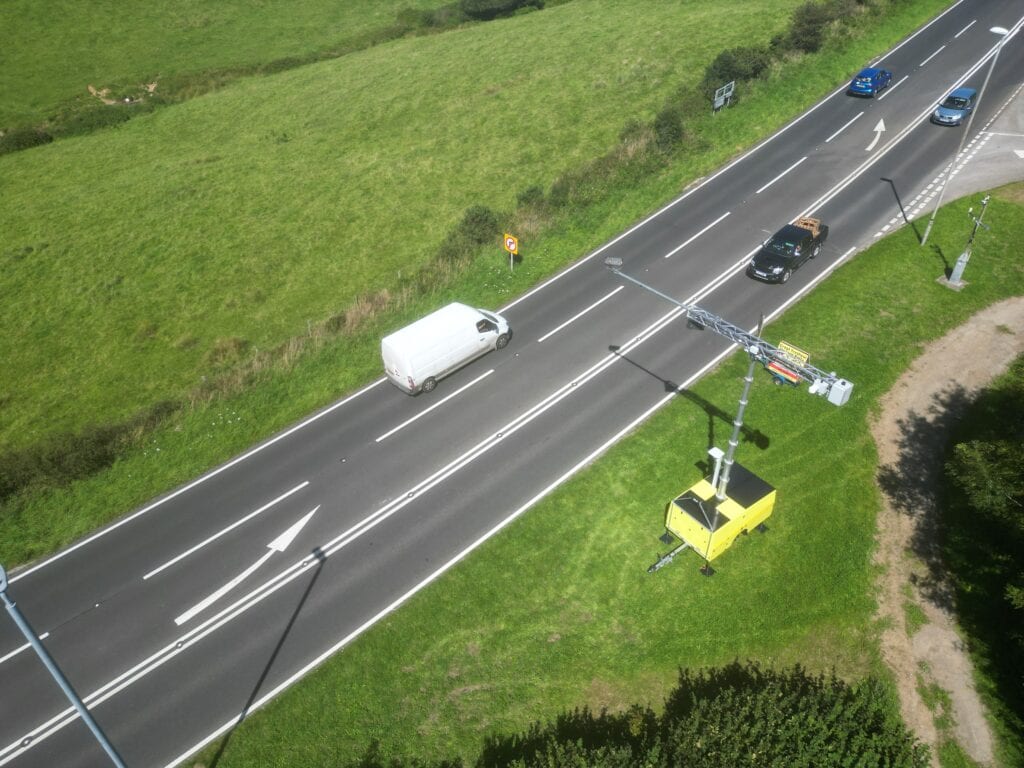 Seatbelt & Mobile Phone camera initiative expanded
 Developer prosecuted for unlawful work to protected trees
 Devon unveils bold vision for one of England’s largest County Farms Estates
 Leading repair option identified to remedy unsafe cliff above Sidmouth’s Millennium Walkway
 Second home policy tackles local housing pressures
 Plea for meeting with PM Burnham to match sewage capacity with housing growth
 Final phase of Exeter traffic ban battle begins
 Council reminds telecare users to check equipment ahead of phone network upgrade
 Dog Attack Alert: Livestock Worrying Remains a Concern
 Shops remain shut as Torquay closure orders extended
 Devon wins Silver award for healthy and sustainable food
 Devon urges fairer funding as Chief Medical Officer calls for a national rural healthcare strategy