
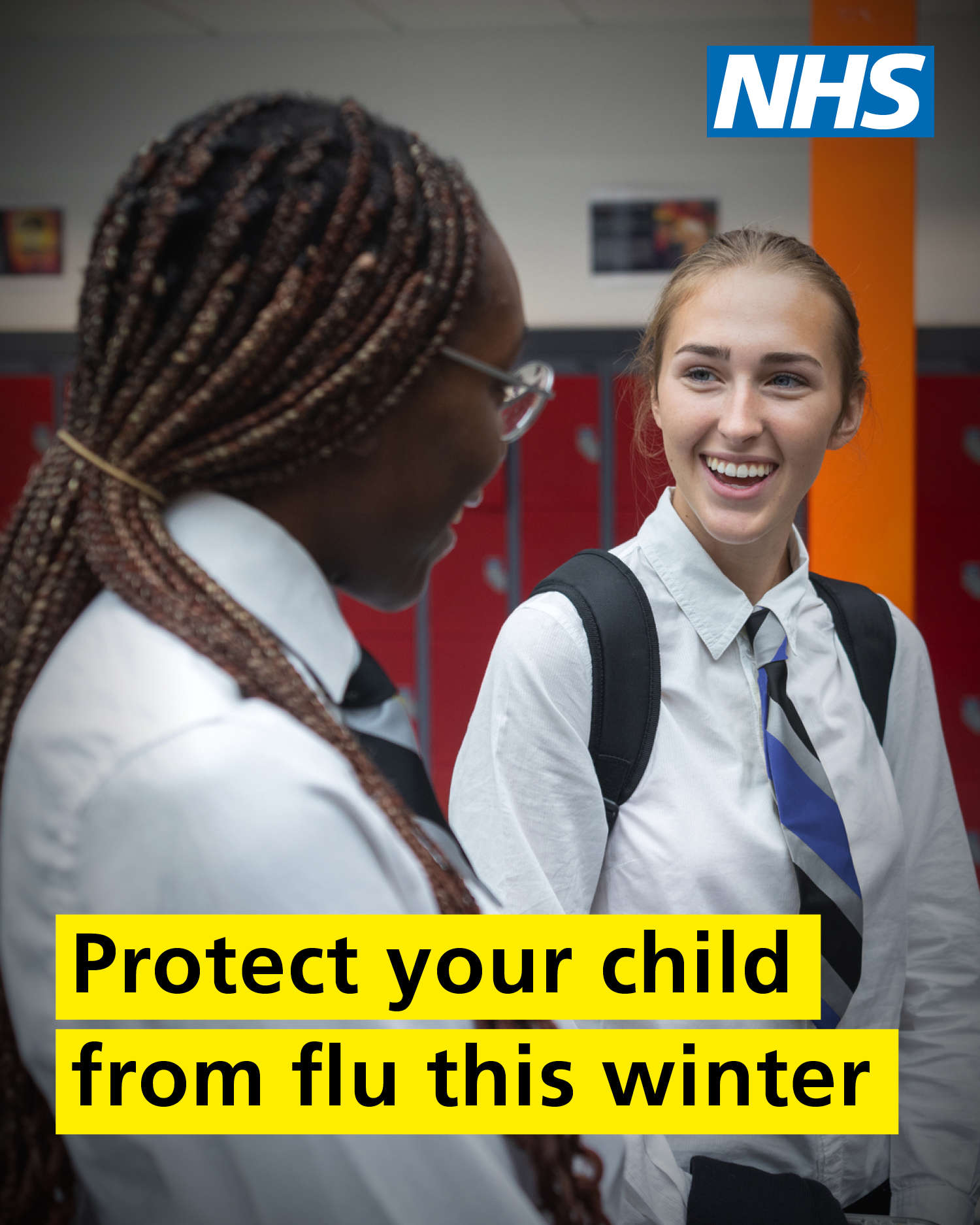
Almost 45% of secondary school-aged pupils (149,067) across the South West went without a flu vaccine last winter, new figures show. UKHSA South West warns that older children are increasingly falling through the gaps in protection from flu as they move through school.
The gap between the two age groups was seen in almost every local authority area in the South West, with secondary uptake trailing primary uptake in most areas. UKHSA says the pattern reflects a wider national trend, in which protection tends to fall away as children get older, leaving thousands of teenagers vulnerable to a virus that can cause serious illness and disrupt schooling.
Vaccination offers the best protection against flu and usually has a better immune response in children, with evidence from last year’s flu season showing strong vaccine effectiveness for school-aged children, aged 2 to 17 years. The vaccine is estimated to have prevented:
- 52% of children from having to visit their GP; and
- 68% from being hospitalised
UKHSA South West is reminding parents of the importance of vaccination and helping to protect their children against flu, and to ensure consent forms are returned in good time, so their children do not miss out when school immunisation teams visit.
Children’s flu vaccinations will start in some schools from this week, and local immunisation teams will move from school to school across the region up to around early December.
Flu can be very serious for some younger children and puts many thousands in hospital every year. Younger children, aged 2 and 3 years, are also able to receive a flu vaccine from their GP surgery.
Making sure children are vaccinated helps to:
- protect your child against flu and serious complications such as bronchitis and pneumonia
- stop children spreading flu - protecting you, your family and friends, in particular those more vulnerable and at greater risk, such as younger siblings and grandparents
- keep children in school, or accessing education if home schooled, so they can continue to learn and develop
- avoid costs - if your child gets flu, you may have to take time off work or arrange alternative childcare
And further for parents to be aware:
- No injection is needed - most children have the nasal spray, which is painless and easy. A vaccine injection is also available, which does not contain gelatine from pigs
- The nasal spray has been given to millions of children worldwide and has an excellent safety record
-
Children eligible for the flu vaccine include:
- children aged 2 to 3 years old on 31 August in 2026
- all primary school-aged children (reception to year 6)
- secondary school-aged children (year 7 to year 11)
- children aged 6 months and older with long-term health conditions
-
Similar to the flu vaccine, there has been a drop in uptake of all of the routine childhood vaccinations, which protect children against a wide range of serious diseases. It is important that children are up to date with all their vaccinations before starting primary school, particularly the MMRV or MMR vaccine protecting against measles, mumps, rubella and chickenpox (varicella).
High vaccine uptake is needed to help prevent outbreaks and the spread of serious infections, including measles, which is highly infectious, particularly in closed environments like schools.
While children are encouraged to stay in education or childcare with symptoms such as a runny nose, sore throat or slight cough (if otherwise well and do not have a high temperature), children should stay home from school or nursery if they’re displaying the following symptoms:
- If your child has a fever and is unwell, they should stay home from school or nursery until the fever has passed and they are well enough to attend
- If your child has diarrhoea and/or vomiting, they should stay off school or nursery for at least 48 hours after their symptoms clear up – this will help stop the spread of stomach bugs
-
Encouraging good hand-washing and respiratory habits is one of the most effective ways to stop the spread of bugs; and using a tissue to catch coughs and sneezes, binning it and then washing hands will help prevent infection from spreading.
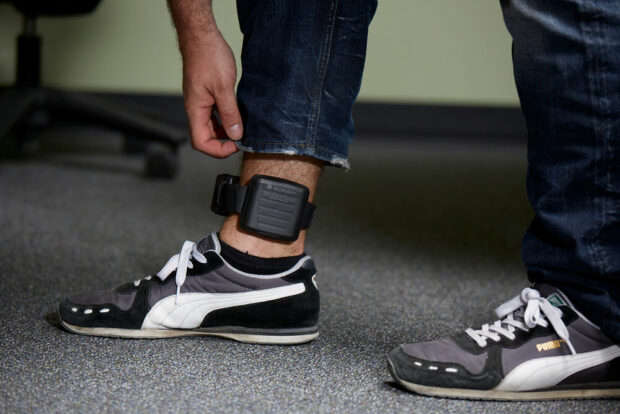 More than 400 people handed electronic ‘tags’ in Devon and Cornwall
 Council calls on Government to reimburse Devon for reorganisation costs
 Ofsted recognises continued improvement in Devon’s children’s services
 Public invited to discover how virtual wards bring hospital care closer to home
 Anger as council charges NHS to park mobile screening unit
 Bill Douglas Cinema Museum awarded ‘Designation’ status by Arts Council England
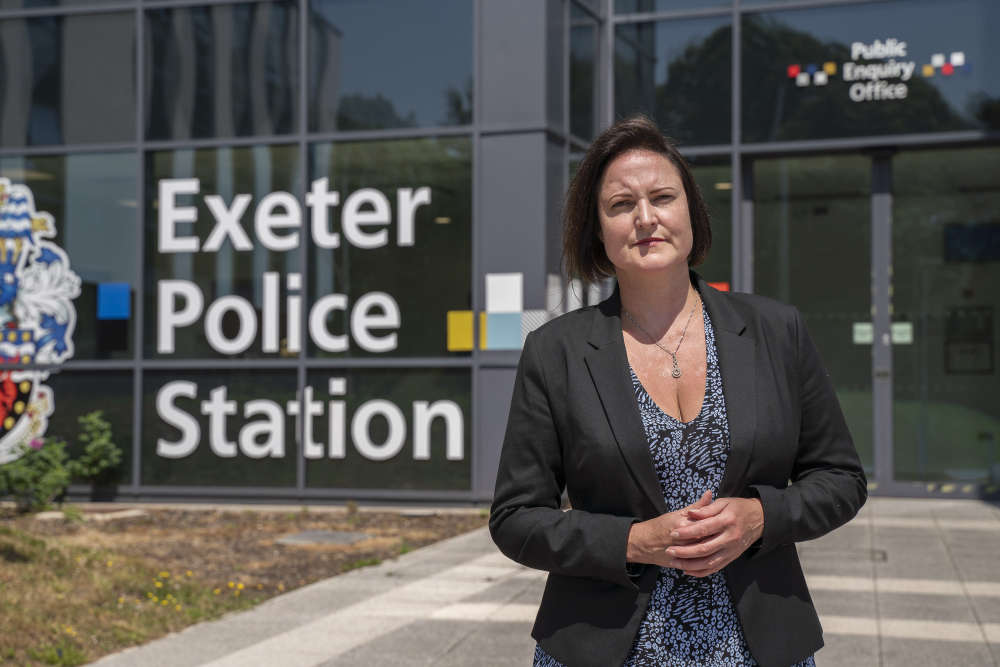 Police reform must strengthen accountability, not weaken it, says Commissioner
 New Growth Board launched for Marlcombe
 Extra staff will tackle bin collection targets
 First rise in urgent dental care provision in Devon since pre-pandemic
 ‘Expensive shambles’ of Devon council shake-up has cost local town halls millions
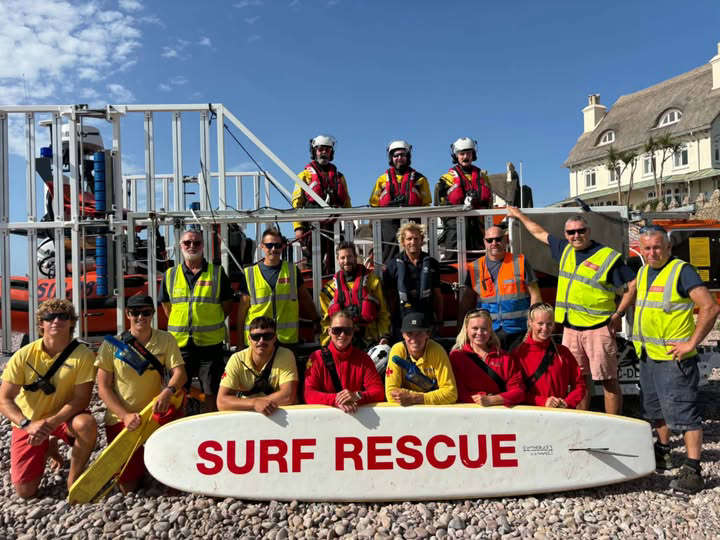 Sidmouth Lifeguards reflect on busy season
 Fake "WhatsApp Gold" Messages Are Circulating Again
 Young wheelchair users are being excluded from key parts of school life, a leading charity has warned
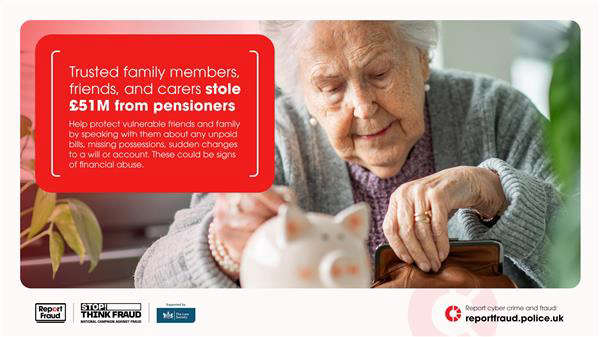 Trusted family members, friends, and carers stole £51 million from pensioners
 South Western Railway becomes White Ribbon accredited for tackling violence against women and girls