
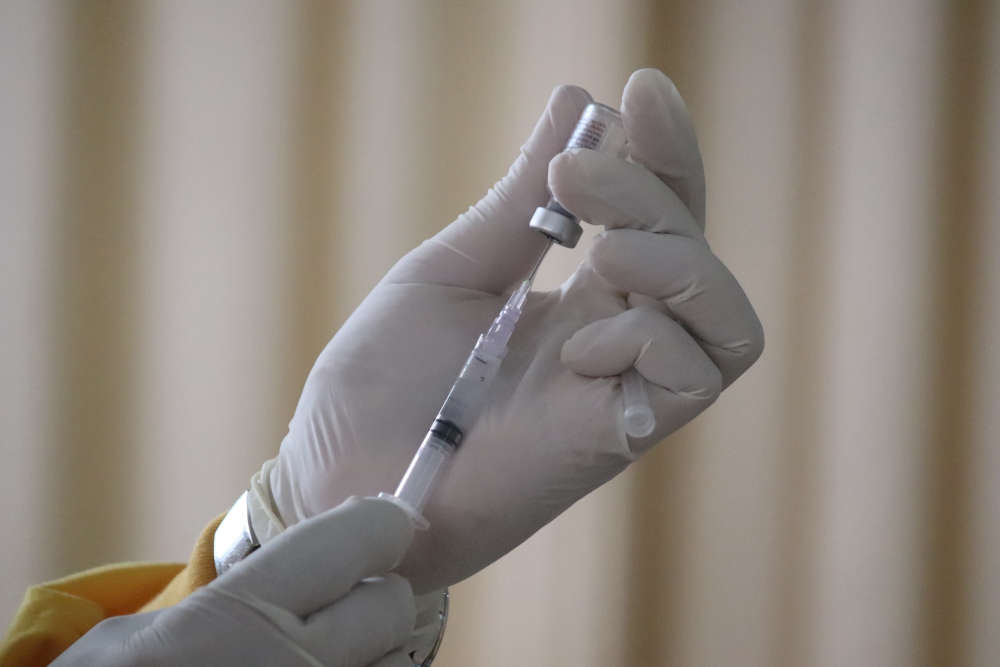
The South West is outperforming the England average on shingles vaccine uptake across both eligible age groups, new UK Health Security Agency (UKHSA) data shows. Yet the majority of newly eligible adults in the region have yet to come forward for their free jab.
Figures published last Thursday show that 20.4% of those turning 65 in the South West had received their first Shingrix dose, above the England average of 17.7% and the second-highest rate nationally. For those turning 70, the South West recorded the joint highest uptake in England at 29.6%, compared to a national average of 26.0%.
While the region's performance is encouraging, the data shows that the majority of eligible adults, nearly eight in ten of those turning 65 and seven in ten of those turning 70, have still not taken up the vaccine in the early stages of eligibility.
Nationally, 42.1% of those turning age 66, who have been eligible since their 65th birthday, had received their first Shingrix dose by October 2025. Among those turning 71, coverage stands at 53.5%.
Shingles is a painful condition caused by reactivation of the chickenpox virus. It can cause weeks of severe pain and long-term complications, including nerve damage.
Josh Howkins, Specialty Registrar at UKHSA South West, said: "It is really encouraging to see that people in the South West are coming forward for their shingles vaccine at a higher rate than the England average, and that we are joint top in the country for uptake among those turning 70. That reflects real effort from local GP practices and the people of the South West, taking their health seriously.
"But the data also tells us that the majority of newly eligible people in our region are yet to take up this protection, and that means thousands of people who could benefit are currently missing out. Many of us will know someone who has suffered from shingles and spoken of just how painful it can be. It can also have debilitating effects for months even after the rash has gone, and two doses of this vaccine is highly effective in preventing shingles and its serious complications.
"We understand people are busy, and it can be easy to put things off, but this is a vaccine that can make a real difference to your quality of life. If you are eligible and contacted by your GP, please don't put it off. Make that appointment."
Dr Julie Frier, Public Health Consultant and Screening and Immunisation Lead at NHS England South West, said: “Anyone who has had chickenpox can develop shingles, and you can have it more than once. The affected area can be extremely painful and shingles can cause more serious complications, particularly for those aged over 65 and also for people who are severely immunosuppressed.
“Vaccination is offered to people who turned 65 on or after 1 September 2023, people aged 70 to 79 who have not yet been vaccinated and those who are aged 18+ with a severely weakened immune system.”
“Getting the shingles vaccine reduces your risk of having shingles and makes the symptoms milder if you do get it, so it is important to get vaccinated.
“You can get the vaccine all year round so please make sure you get it when invited, or if you think you are eligible and have not been invited, speak with your local GP practice.”
‘The Shingrix For All immunisation programme began on 1 September 2023. The programme offers 2 doses of the Shingrix vaccine to all immunocompetent individuals turning 65 or 70 and severely immunosuppressed individuals turning 18 and over.
Those aged between 70 and 79 who have not yet received the vaccine are encouraged to catch up. The shingles vaccine is available all year round.
Eligible people can check if they qualify and book their vaccine through their GP or by visiting NHS.uk. More information on shingles can be found on our blog here: Shingles
 Hospiscare smashes fundraising record to ‘keep care at home’.
 Devon school unions call public meeting over 'unfair' funding and budget transfer decision
 ‘Regular visitors’ might be able to join sewage legal claim
 Pothole numbers skyrocket after brutal winter