
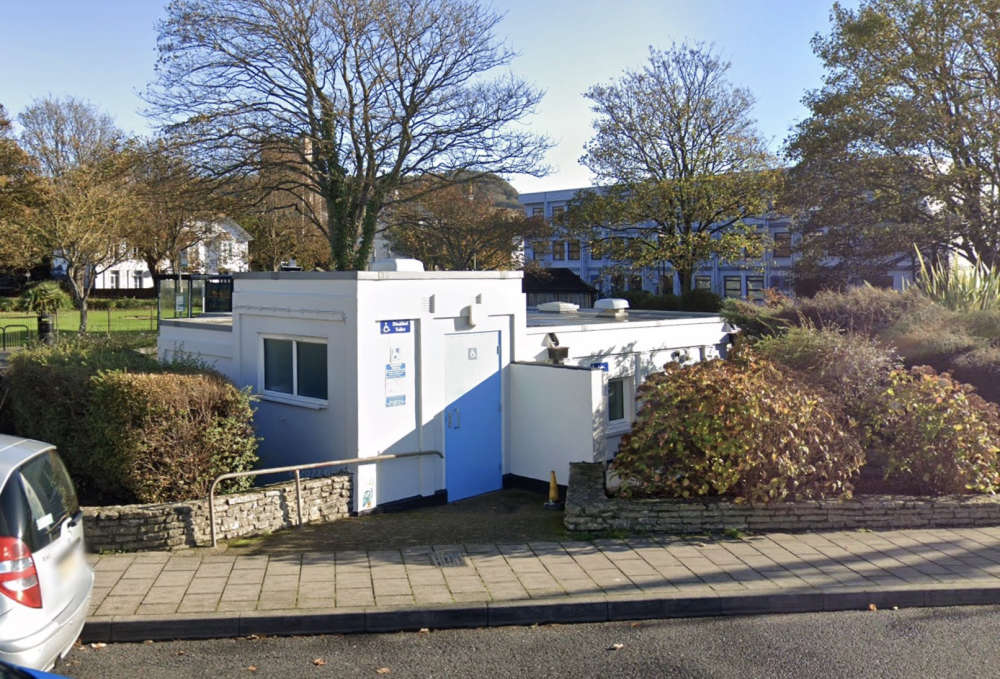
Smaller councils could be asked to take over the running of some of a Devon district’s “most valued community assets”.
Plans being discussed by East Devon District Council could see the ownership of public toilets passed to parish and town councils.
The rationale for this decision comes in the context of an expected huge overhaul of the way councils in Devon work.
Vast changes – known as local government reorganisation (LGR) – will see fewer but much larger councils governing the county, and some existing local authorities fear potential casualties because of that move.
Concerns include the prospect of larger councils struggling to deal with smaller issues, such as public toilets, something potentially exacerbated by the fact decisionmakers in the new unitary councils will have larger areas to cover and more issues to deal with.
East Devon has been talking for months about possible transfers of assets to the likes of town and parish councils in a bid, it says, to protect them and also alleviate potential budgetary challenges in the medium-term.
The district council owns and operates 19 public toilet blocks across the district, according to the latest information on its website, which lists eight as already closed and five already managed by parish and town councils.
“It became increasingly evident that public toilets would play a large involvement, after all these are some of the most valued community assets in our towns owned by EDDC, and when looking at LGR, are some of those assets most at risk,” a report prepared for East Devon’s overview committee states.
“We also know from those discussions that there’s a strong appetite to take on, if that helps protect those assets.”
The full range of options are being kept confidential for now, and will be discussed in a part of the meeting known as Part B, when the council can invoke legislation to exclude the press and public where it deems information either confidential or commercially sensitive.
However, the summary document suggested the committee support the recommendations of ‘Option 3’ – namely “that public toilets be transferred to town and parish councils in current condition and with a dowry reflecting [the] appropriate share of [the] remaining approved capital budget”.
Under ‘financial implications’, East Devon would need to spend £1.7 million on its programme of works related to the toilets it owns, hence why it may be considering a transfer but with some monetary assistance in the form of the so-called ‘dowry’.
 ‘Chaotic’ reorganisation threatens children’s futures, Devon leader warns
 RePaint scheme boosts grassroots projects
 Devon residents in broadband ‘not-spots’ urged to act before looming deadline
 RNLI lifeguards in the south west save over 1,000 lives in 25 years on beaches