

Residents appear to have been more cautious of their water usage amid Devon’s stark drought, according to smart meter data.
South West Water said a range of factors had contributed to lower levels of water demand, but noted there were signs of customers using water “more efficiently” and that since a hose pipe ban was implemented in August, there had been a “lower average consumption” by households.
While some rain has appeared in recent weeks, three of Devon’s five reservoirs are only at just over half the levels they were at the same time last year.
Wimbleball on Exmoor, for example, is at just 19 per cent capacity compared to 31 per cent in November last year, and Roadford is at 34 per cent full compared to 65 per cent last November.
In a letter last month from regulator Ofwat, the Environment Agency and the Department for Environment, Food and Rural Affairs (Defra), it said leakage in the SWW area was 18.5 per cent above an expected forecast, and had “increased since the previous year”.
“Given the ongoing drought conditions, these shortcomings are placing customers at a greater level of risk. This is not acceptable,” the letter added.
Furthermore, South West Water is still waiting to hear back from government whether it is allowed to implement a non-essential use ban for some businesses in parts of East and Mid Devon.
“Since the temporary use [hosepipe] ban was introduced, we have seen a reduction in water demand across the region,” a spokesperson for the firm said.
“This has been supported by customers using water more efficiently, alongside our ongoing work to reduce leakage.
“Cooler temperatures and increased rainfall have also contributed to lower demand.”
It noted this was “encouraging” but that water resources still needed time to recover.
The spokesperson added that statistics available to the firm painted a picture of more careful usage by residents.
“Analysis of household smart meter data indicates lower average consumption following the introduction of the temporary use ban,” the spokesperson said.
“However, it is not possible to determine how much of this change is due to the restrictions alone, as weather conditions, seasonal factors and school holidays can also influence water use.”
An update by government this month on the water situation nationally highlighted the South West as an area under pressure.
“Public water supply concerns are currently focused around Wimbleball reservoir in the south-west and Ardingly reservoir in the south-east,” it stated.
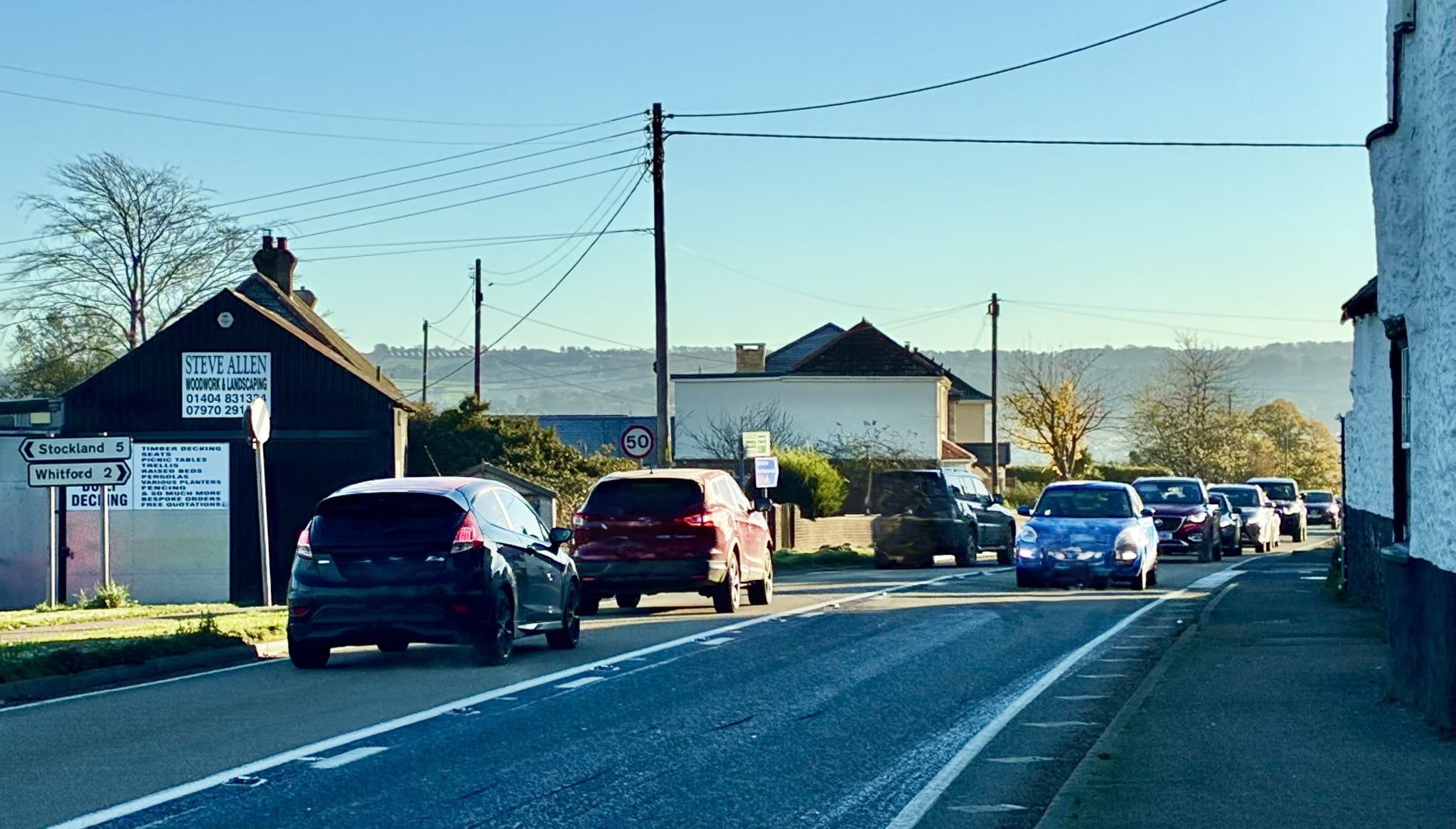 Villagers claim speed reduction isn’t enough to make road safe
 Serious injury collision, A3052, Clyst St Mary
 Time running out for over 52,000 young people in the South West to get first dose of lifesaving MenB vaccine
 The Donkey Sanctuary scoops coveted VisitEngland Gold Award
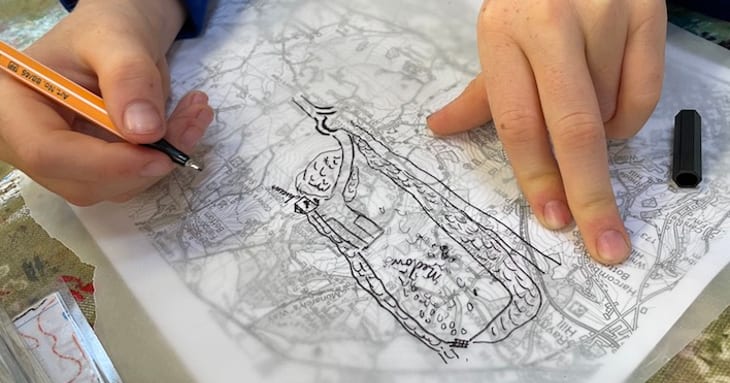 National Archives grant awarded for innovative Cranbrook heritage project
 Pressure on festive organisers over ‘terror barrier’ advice
 Eight charged following SWROCU drugs investigation
 Exeter to honour 307 Squadron with flag raising and special exhibition
 Greens urge Exeter to reject Dryden Road re-opening
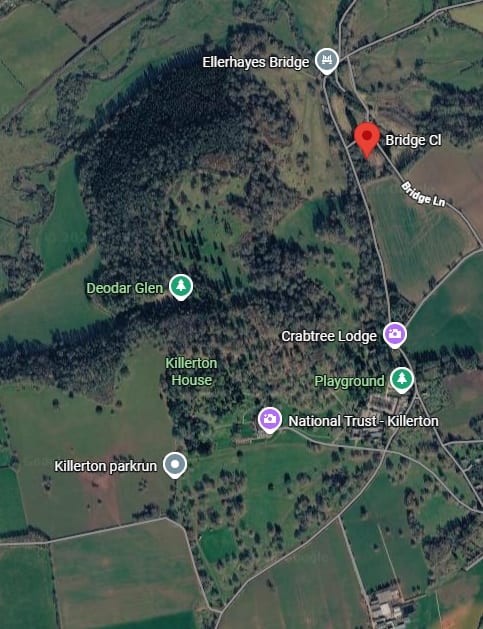 National Trust eyeing demolition of buildings linked to former paper mill at Killerton
 College signs world-first deal with Commando Training Centre
 Find out what’s involved in being an Exeter city councillor
 Residents Invited to Help Shape Potential Late-Night Bus Service
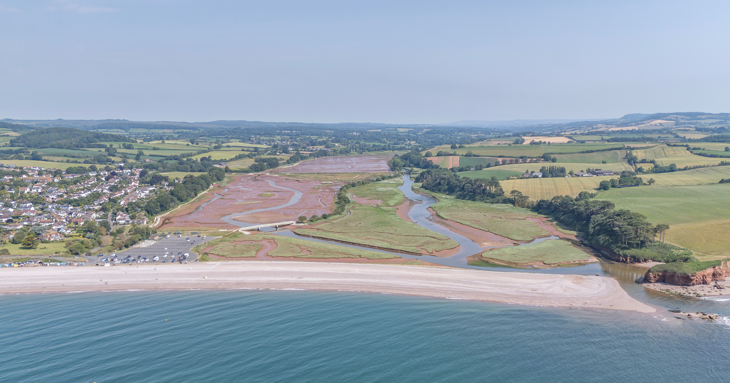 Community feedback helps shape next steps for Budleigh Salterton’s beach and cliffs
 Get involved in consultation to help shape City Council budget