
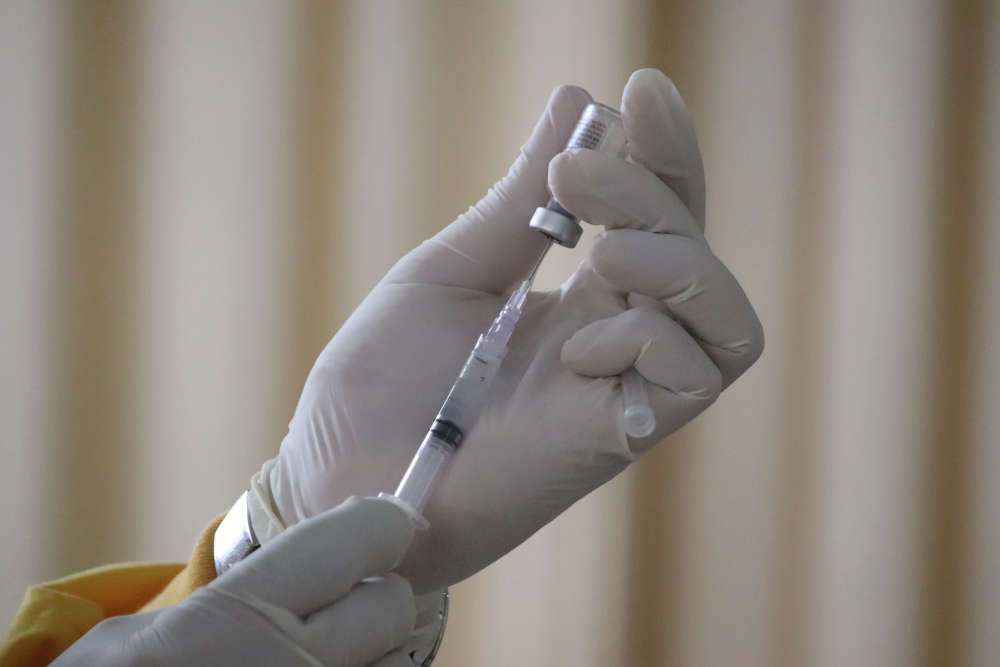
Figures up to 31 October 2026 show that 33.2% of 18- and 19-year-olds in the South West (26,134 out of 78,830) have had a first dose. This is higher than the England figure of 28.2%. It still means more than 52,000 18- and 19-year-olds in the region have not yet come forward.
Uptake varies across the South West. First-dose coverage is highest in the Bath and North East Somerset, Swindon and Wiltshire area (36.1%), the Bristol, North Somerset and South Gloucestershire area (35.8%) and Devon (35.7%).
There have been several outbreaks of Meningitis B in England this year, and tragically, 3 deaths. The UK Health Security Agency (UKHSA) is concerned that too few young people are taking up the offer to protect themselves. It is urgently calling on young people in the South West and their parents to book an appointment.
The one-off programme is open to all 18- and 19-year-olds born between 1 September 2007 and 31 August 2008. It is also open to those under 25 who started university or residential further education for the first time this autumn.
The latest UKHSA data shows that, up to 31 October 2026, coverage in the South West for 18 and 19-year-olds:
- 33.2% of eligible 18 and 19-year-olds (26,134 vaccinated out of 78,830 eligible individuals) have had a first dose
- 69.4% of those who have had a first dose (18,138 out of 26,134) have also had a second dose
That means around 7 in 10 who have started their vaccine course in the South West have completed it.
Two doses are essential for protection. The doses need to be given at least 28 days apart. The first dose offer will end on 31 December 2026. Those who get their first dose in time can have a second dose up until 31 March 2027.
Data show that young people starting at university are at increased risk of meningococcal disease. This is due to social mixing patterns and other risk factors. The risk for students in their first year of university is around 7 times higher than for young people of a similar age who do not go to university.
A recent bacterial genome sequencing study explained why the MenB outbreak in Kent in March was so severe. It also highlights the unpredictability of the bacteria. Highly invasive strains can emerge suddenly and unexpectedly, so similar outbreaks could occur again.
For more information on meningococcal disease, see MenB vaccine for children - NHS. To book or check eligibility for a vaccine, see Book a MenB vaccination appointment - NHS.
Further advice and support are available at Meningitis in students - Information and advice.
 Villagers claim speed reduction isn’t enough to make road safe
 Signs residents are conscious of water usage amid drought
 Serious injury collision, A3052, Clyst St Mary
 The Donkey Sanctuary scoops coveted VisitEngland Gold Award
 National Archives grant awarded for innovative Cranbrook heritage project
 Pressure on festive organisers over ‘terror barrier’ advice
 Eight charged following SWROCU drugs investigation
 Exeter to honour 307 Squadron with flag raising and special exhibition
 Greens urge Exeter to reject Dryden Road re-opening
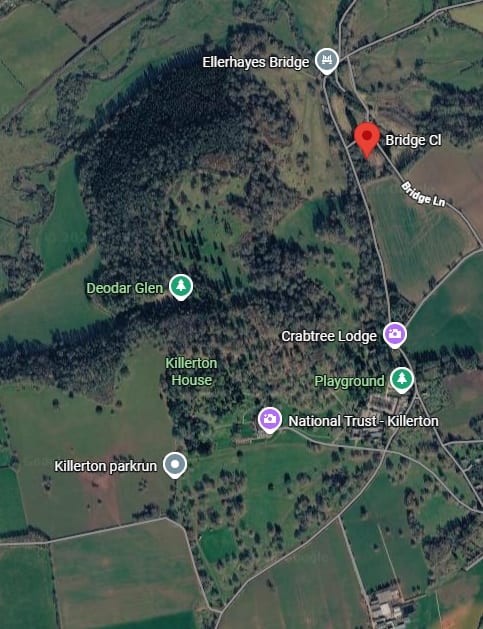 National Trust eyeing demolition of buildings linked to former paper mill at Killerton
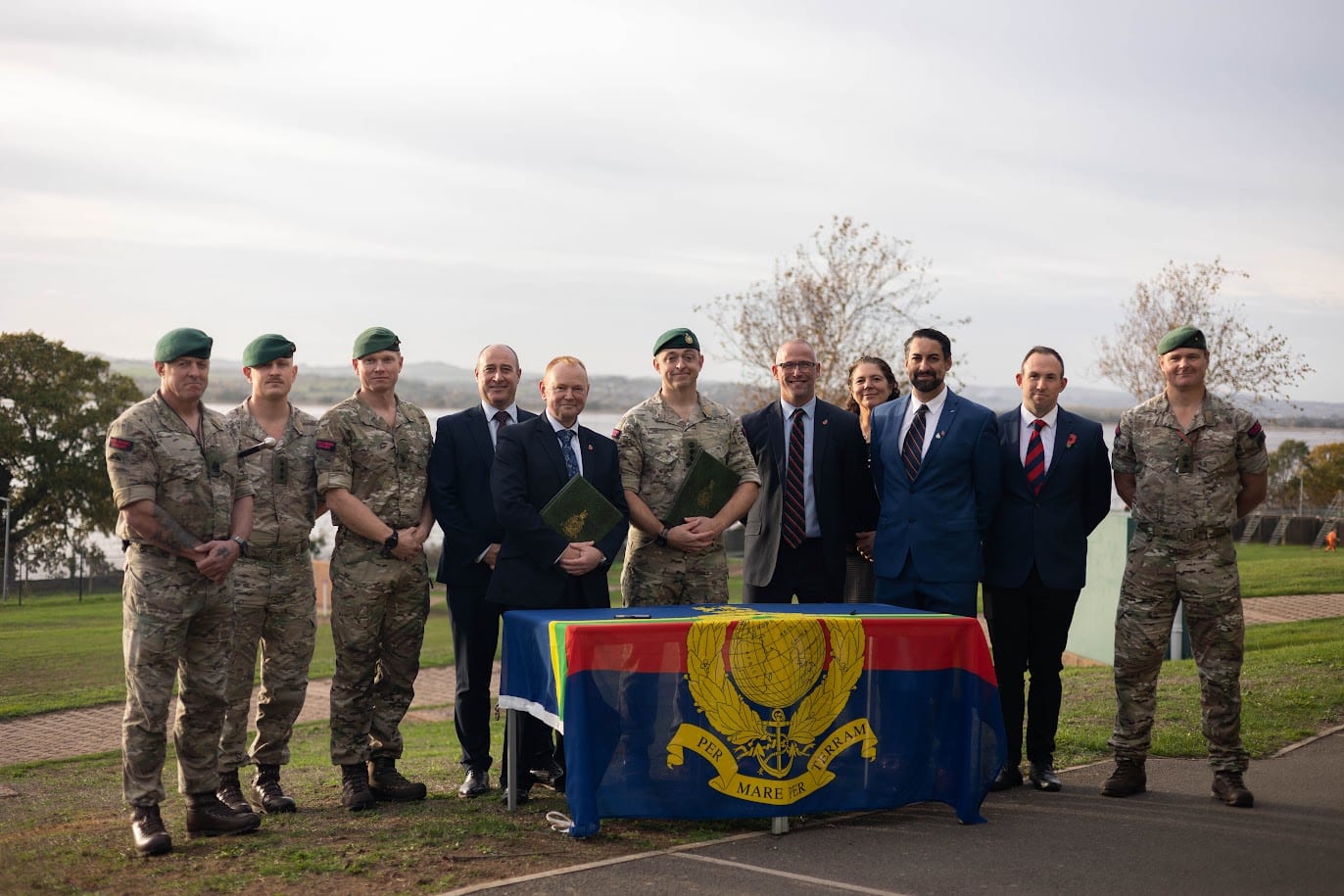 College signs world-first deal with Commando Training Centre
 Find out what’s involved in being an Exeter city councillor
 Residents Invited to Help Shape Potential Late-Night Bus Service
 Community feedback helps shape next steps for Budleigh Salterton’s beach and cliffs
 Get involved in consultation to help shape City Council budget