
As World Antimicrobial Awareness Week begins, new UKHSA data show the South West has the lowest burden of antibiotic resistance of any region in England, with antibiotic use in the region also among the lowest in the country
As World Antimicrobial Awareness Week (18 to 24 November) begins, national surveillance data published by the UK Health Security Agency (UKHSA) show the South West had the lowest rate of antibiotic-resistant burden in England in 2025, at 30.2 cases per 100,000 population. This compares with 44.7 per 100,000 in London, the region with the highest rate.
The South West's rate is lower than in all other regions of England. However, antibiotic resistance remains a serious and growing national and global challenge. Across England, antibiotic-resistant bacteraemia cases rose by 16.8% between 2019 and 2025, from 18,086 to 21,129. Bacteraemia is a potentially life-threatening infection where bacteria are present in the bloodstream.
In the South West, antibiotic use is also broadly positive. NHS Somerset and NHS Cornwall and the Isles of Scilly recorded some of the lowest total antibiotic consumption of all Integrated Care Boards (ICBs) in England, at 0.14 and 0.15, respectively. NHS Gloucestershire ICB also had the lowest rate of bacteraemia overall in England, at 95.3 per 100,000 population.
All regions of England reported lower total antibiotic use in 2025 than in 2019 and 2024. Across the country, total NHS antibiotic use fell by 10.7% between 2019 and 2025. In the South West, antibiotic use in secondary care (hospital settings) rose slightly by 1% over the period, one of only three regions to see an increase.
Dr Chaam Klinger, Consultant in Health Protection at UKHSA, said:
"Every week hundreds of people across England face a new reality of what it means to get an antibiotic-resistant infection, which can increase the risk of serious illness and even death. Our most deprived communities and older generations continue to be hit hardest by the effects of antimicrobial resistance, although anyone can be impacted.
"World Antimicrobial Awareness Week is a chance for all of us to think about how we use antibiotics. It is positive that the South West has the lowest rate of antibiotic-resistant infections in England, and to see signs that ongoing efforts to promote responsible antibiotic use are having an impact.
"But there are still significant challenges as resistant infections continue to increase nationally, and we cannot be complacent in the South West. We can't rely on reducing antibiotic use alone. We need to continue our work with partners locally and globally to prevent infections from occurring in the first place, alongside exploring new treatment options.
"People in the South West can play their part too. As we head into winter, when infections spread more easily, one of the simplest things we can all do is wash our hands regularly with soap and water, particularly before eating and after using the toilet. Preventing infections in the first place means fewer people need antibiotics, which helps to slow the spread of resistance.
"Please remember to only take antibiotics if you have been told to do so by a healthcare professional. Do not save some for later or share them with friends and family. If you have leftover antibiotics, please take them to a pharmacy which can dispose of them appropriately. It's also important to take up the vaccinations you are eligible for to help stop infections in the first place."
Vanessa Carter from Torbay in Devon demonstrates the serious consequences of antibiotic-resistant infections. Following a car accident in 2004 that required multiple facial reconstructive surgeries, Vanessa developed a persistent Methicillin-resistant Staphylococcus aureus (MRSA) infection around her facial implants.
For 11 months, she was prescribed repeated courses of antibiotics by different specialists. The infection kept returning, and it wasn't until laboratory testing revealed MRSA that she understood she had been taking antibiotics that the bacteria were resistant to.
Vanessa Carter, who lives in Torbay, Devon, is an AMR survivor and Executive Director of The AMR Narrative, CIO. She said:
"For 11 months, I was prescribed antibiotic after antibiotic while my infection kept coming back, and nobody told me to ask for a test to see which ones would actually work. I lost a large portion of tissue on the right side of my face from the resistant bacteria and was eventually treated with 'last resort' antibiotics.
"While the reduction in antibiotic consumption is encouraging, the continued rise in resistant infections and health inequalities remains deeply concerning. Nobody should have to go through what I experienced. I am pleased to see such comprehensive surveillance data being made publicly available, helping us to better understand the scale and complexities of AMR and where action is needed most, including in our own region.
"As an AMR survivor, I know first-hand the devastating impact resistant infections can have on people's lives. We need proper testing before prescribing antibiotics, and we must recognise AMR as a patient safety issue. Patients and communities must not simply be recipients of information, but meaningful partners in shaping and implementing solutions for this global health challenge.
"This isn't just about individual health; when we misuse antibiotics, we are creating resistant bacteria that spread to our families and communities. Only take antibiotics when a healthcare professional tells you to, complete the full course at the right times, never share them, and return unused antibiotics to a pharmacy. Antibiotic resistance is a crisis that demands personal engagement from all of us."
The ESPAUR report provides the latest picture of antibiotic resistance and antibiotic use in England, as work continues to meet the goals and targets set out in the UK National Action Plan for antimicrobial resistance 2024 to 2029.
Antibiotic resistance occurs naturally, but its spread and impact can be reduced. This includes preventing infections in the first place and ensuring antibiotics are only used when they are needed.
Regional averages can mask important differences within regions. Across England, the rate of antibiotic-resistant infections varies more between ICBs than between regions. UKHSA continues to work with partners to understand the reasons behind these differences and to develop interventions to address them.
Across England, people living in the most deprived areas had a 44.2% higher rate of resistant bacteraemia than those in the least deprived areas, at 44.4 compared with 30.8 cases per 100,000 population. This gap has widened since 2019.
UKHSA's Keep Antibiotics Working campaign, led by 'Andi Biotic', is helping promote responsible antibiotic use, especially among younger adults. The second phase of the campaign reached 10.35 million users, an 87% increase on the first phase. During World Antimicrobial Awareness Week, UKHSA is sharing resources with the NHS, local authorities and others to support local activity and encourage responsible use of antibiotics.
 Serious injury collision, Colaton Raleigh
 Rogue landlords face tougher action under new East Devon enforcement policy
 Exmouth Nursery Praised for Its Warm and Nurturing Care
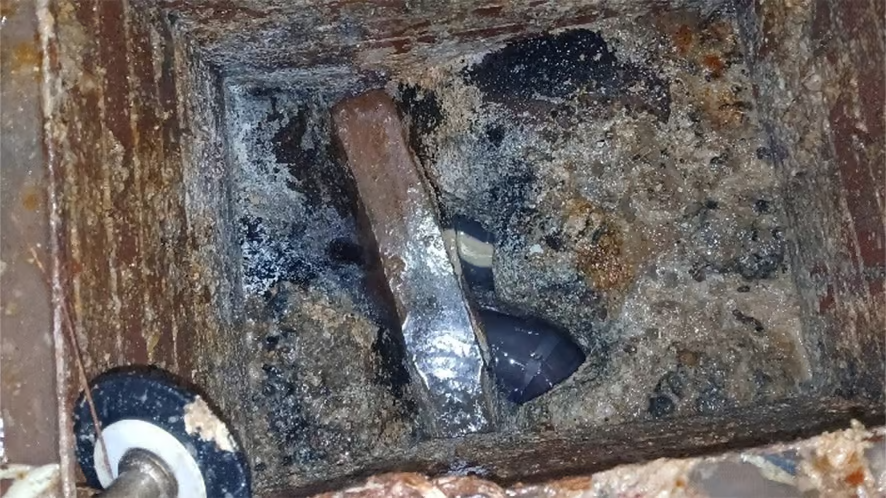 South West Water lifts the lid on the hidden fat, oil and grease found beneath Devon businesses this summer
 University of Exeter wins prestigious Green Gown Award for city-centre nature recovery project
 Demand for action from Milburn Report
 Heating oil up 85% in nine months: Devon Communities Together urges rural households to seek free winter support
 Devon trains to get satellite wi-fi
 Exeter School Praised by Ofsted for Giving Children a Great Start
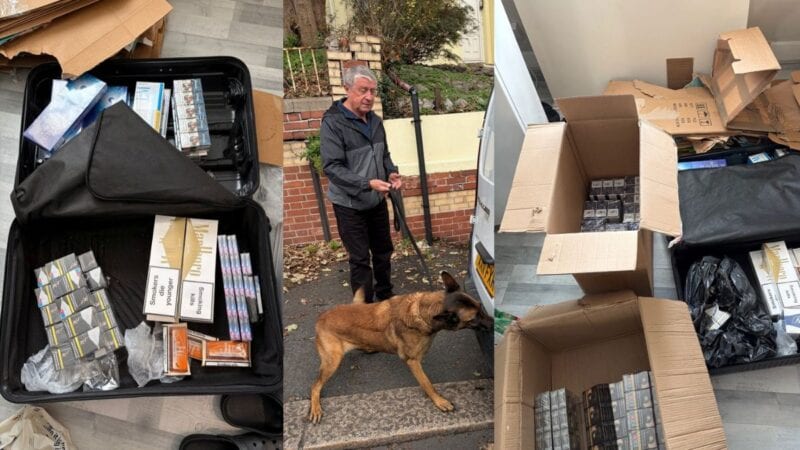 £35,000 of illegal tobacco seized in high street crime crackdown
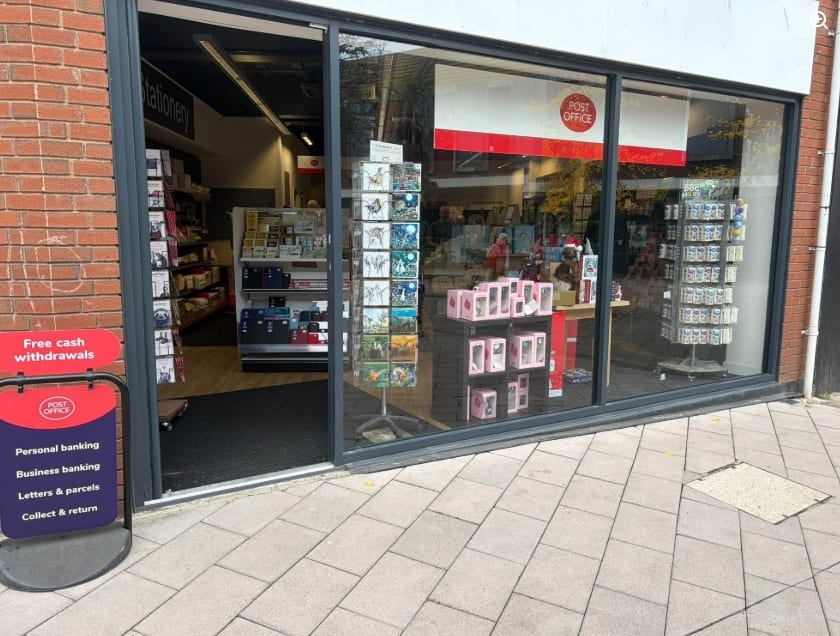 Cheer as major Devon town’s Post Office reopens
 Exeter students first to hit £1 million Movember milestone
 Council sets out next steps for Newton Abbot Market Hall
 South Devon villages ‘hollowed out’ by second homes and holiday lets
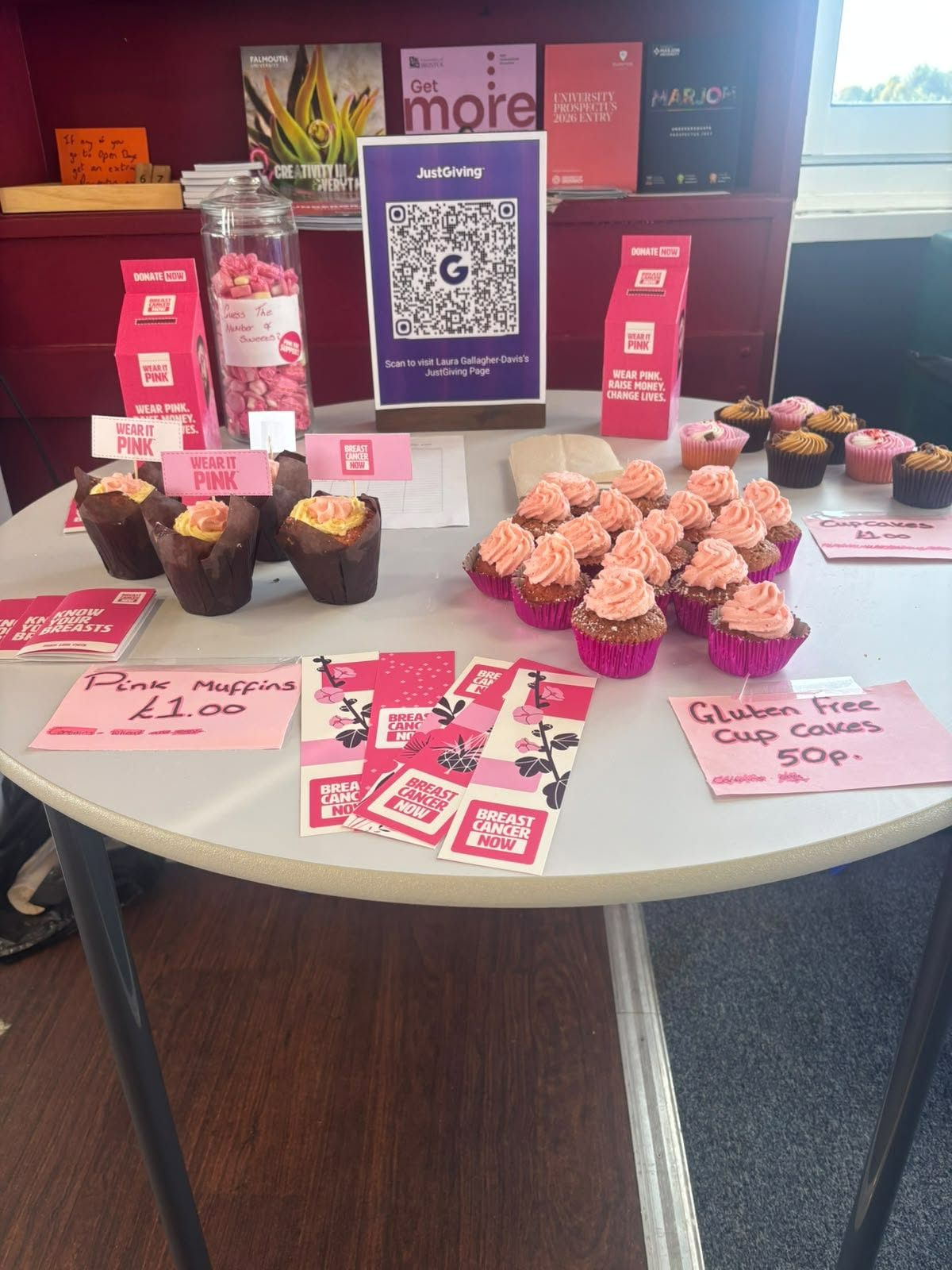 Sidmouth Sixth Formers Raise £280 for Breast Cancer Now
 Emergency water plans stepped up amid efforts to support 33,000 vulnerable residents