Rural villages in South Devon are in danger of being ‘hollowed out’ by second home owners, MPs have been told.
Local young people and key workers are being left with no prospect of buying homes as thousands of people from other parts of the country move to ‘picture postcard’ villages in Devon to work or retire.
South Devon MP Caroline Voaden told a House of Commons debate on homes and planning that the real problems lay behind the idyllic image.
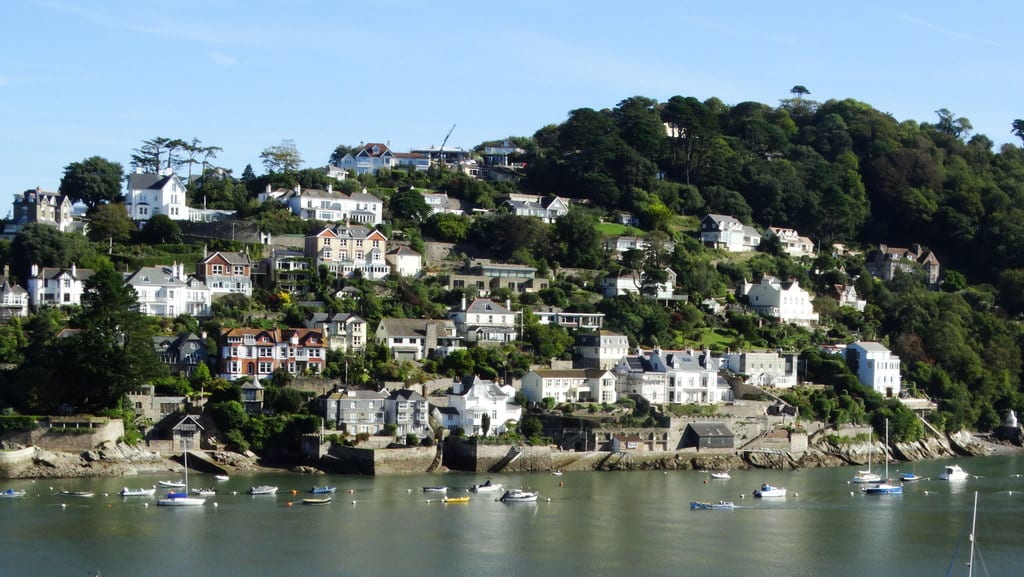
“My constituency has a stunning coastline, rolling farmland and villages that look like they belong on a postcard,” she said. “But a postcard is exactly what some of those villages are in danger of becoming, because behind the beautiful views lies a housing crisis that is literally hollowing out our communities.”
The debate centred on a bill brought forward by St Ives Liberal Democrat MP Andrew George calling for second home owners to be forced to apply for planning permission if they want to use their properties as second homes or short-term holiday lets.
Ms Voaden told fellow MPs: “It doesn’t matter how many homes are built, because if there is no cap on the number of second homes and holiday lets, local people still cannot get a home.”
She said South Devon had 4,000 second homes – the fourth-highest concentration in the country. In 1997 the average home in Devon cost about £60,000, she added. Today it costs around £300,000 and wages have not kept pace.
In the South Hams the gap between house prices and local earnings has widened by 159 per cent since 1997 and a home now costs more than 13 times what a local person can earn in a year.
Yet, added Ms Voaden, affordable homes make up just nine per cent of Devon’s housing stock, half the national average.
“Who could blame anyone for wanting to retire to Devon?” she asked. “However, the effect is that local people end up bidding against buyers who have decades of equity behind them.
“Local young people and key workers are left with nowhere to go. It is becoming impossible to recruit for community jobs such as teachers, nurses and healthcare workers because there is literally nowhere that they can afford to live.
“None of this is driven by the politics of envy. It is about basic social justice.”
Ms Voaden said well over half the homes in the village of Hope Cove were second homes.
“A constituent I spoke to grew up there and moved away as a young adult. She came back to raise her own family, but ended up leaving again because there were literally no children left in the village for her kids to play with,” she said. “She was broken-hearted.”
She also cited the closure of the primary school in Kingswear because there were not enough local families left.
“Without homes for local people, my local schools will keep closing,” she added. “The shops and pubs will shut their doors and the buses will stop running. I implore the government to listen and to give our towns and villages the chance they need to stay alive.”
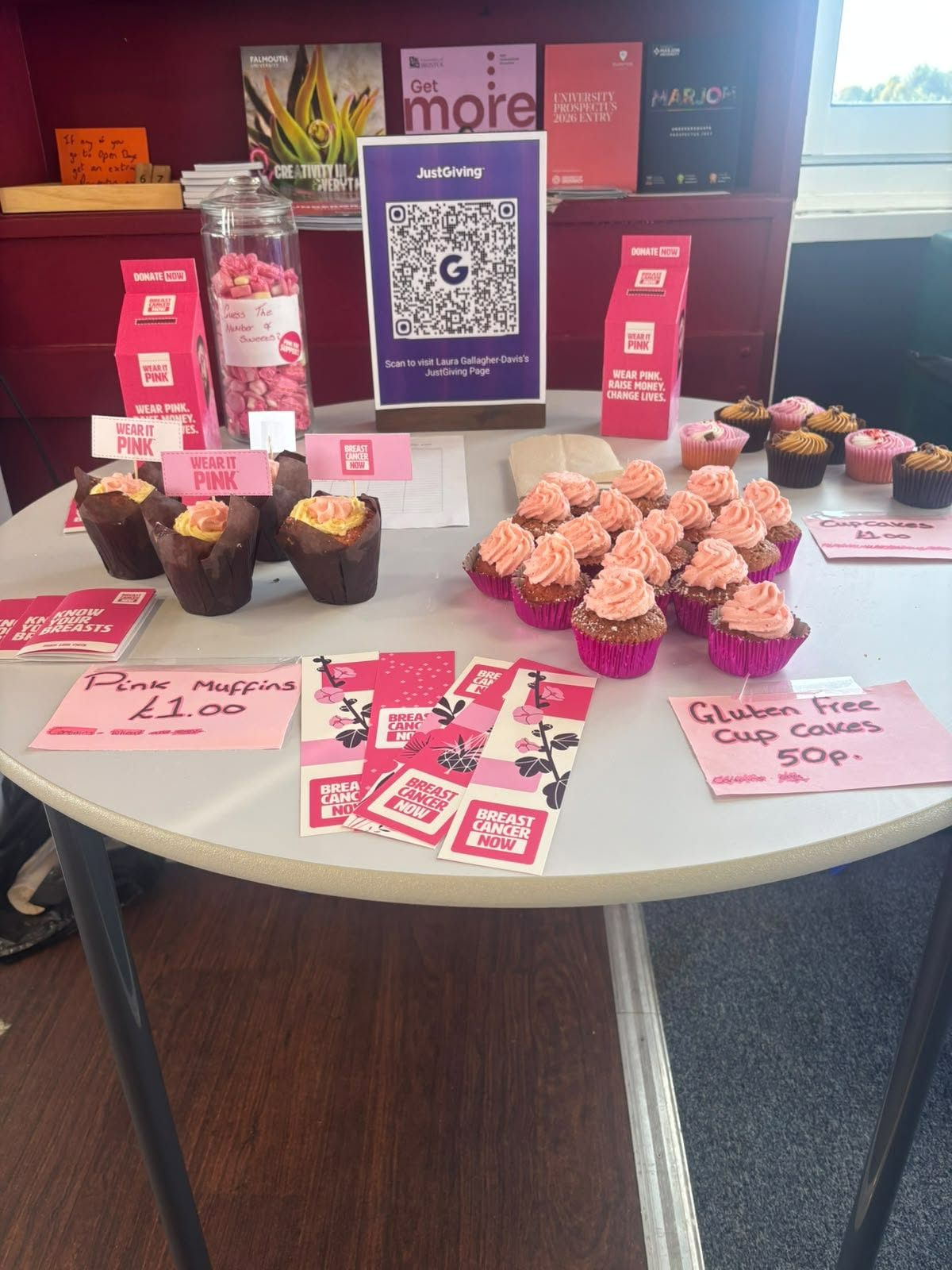 Sidmouth Sixth Formers Raise £280 for Breast Cancer Now
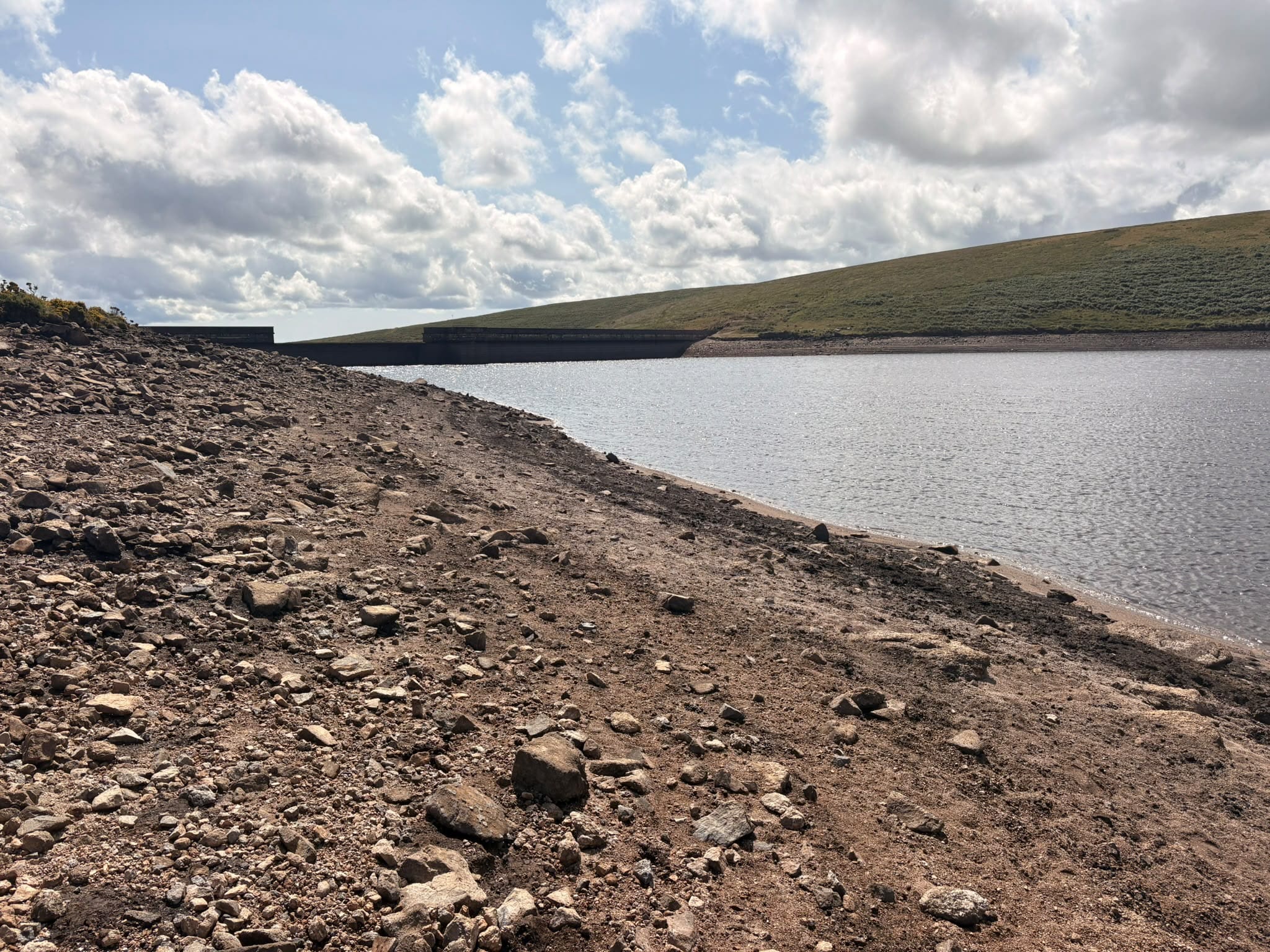 Emergency water plans stepped up amid efforts to support 33,000 vulnerable residents
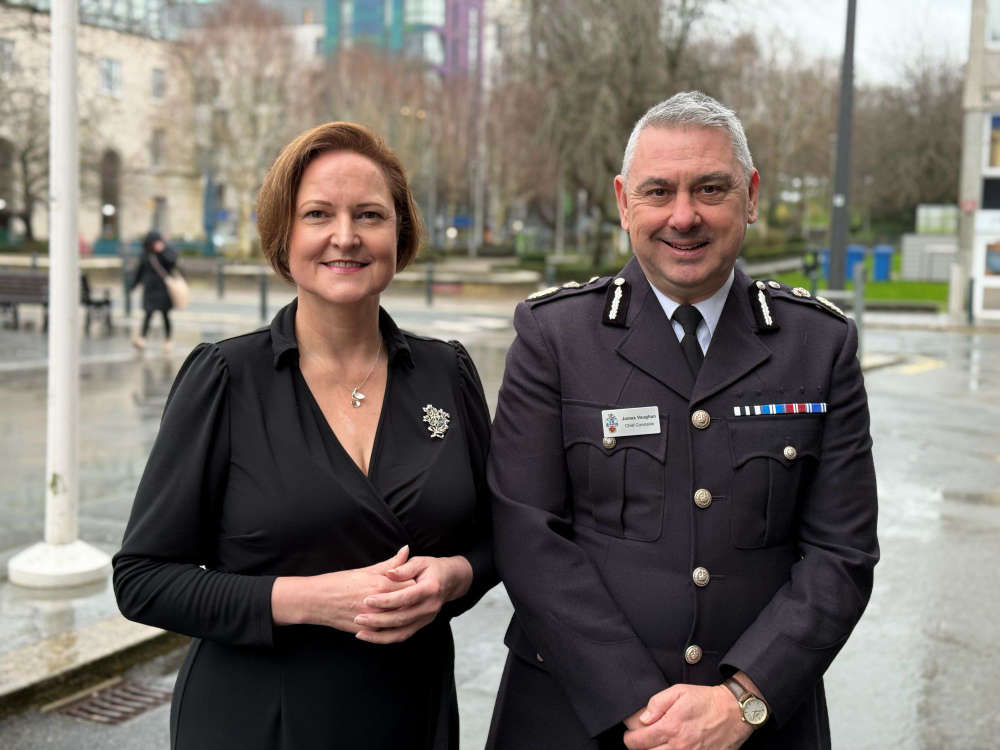 Chief constable recruitment brought forward following legal challenge threat
 UK Gas Distribution Networks extend partnership with Mind to help tackle fuel poverty and support mental health
 Restaurant director fined and banned from running food businesses over undeclared allergen
 Cracking down on criminal use of high street businesses
 Warm autumnal colours wow judges in tree photo competition
 Villagers claim speed reduction isn’t enough to make road safe
 Signs residents are conscious of water usage amid drought
 Serious injury collision, A3052, Clyst St Mary
 Time running out for over 52,000 young people in the South West to get first dose of lifesaving MenB vaccine
 The Donkey Sanctuary scoops coveted VisitEngland Gold Award
 National Archives grant awarded for innovative Cranbrook heritage project
 Pressure on festive organisers over ‘terror barrier’ advice
 Eight charged following SWROCU drugs investigation