
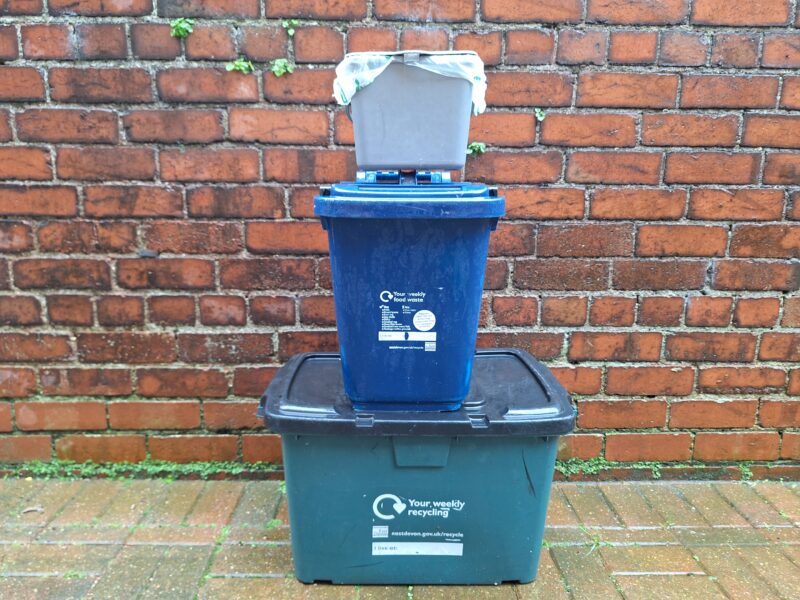
Devon councils have saved around £24 million after a decade-long drive to cut household waste and reduce treatment and disposal costs with, the money ploughed back into local waste services.
New figures, presented to councillors on the Devon Authorities Strategic Waste Committee (DASWC), also showed that households across the county produced 350,816 tonnes of waste in 2025/26, 4,400 tonnes, or 1.2 per cent less than the previous year.
And five of Devon’s eight district councils recycled more than half of their household waste.
Waste collected per person also fell from 417kg to 411kg, keeping Devon and Torbay on track to meet their target of 400kg per person by 2030.
All the figures were presented alongside the results of a Shared Savings Scheme launched in 2016.
The scheme encouraged six district councils to reduce waste and make changes that lowered treatment and disposal costs.
Over its 10-year lifetime, waste fell by around 79,000 tonnes against projected levels, generating savings of around £24 million.
Around £12 million was returned to the councils involved and reinvested in local waste services and technology.
Average recycling rates among councils that took part increased from 47.3 per cent to 52.2 per cent while the savings helped fund collection vehicles, depots, containers, equipment and technology.
The latest annual figures were more mixed. Devon reused, recycled or composted 187,401 tonnes of household waste in 2025/26, giving a recycling rate of 53.4 per cent down from 54.2 per cent the previous year.
East Devon remained the county’s best-performing district at 59.8 per cent, followed by Mid Devon at 56.4 per cent. Teignbridge and West Devon both recorded 52.6 per cent, with Torridge at 51.5 per cent.
South Hams recorded 48.9 per cent, North Devon 43.7 per cent and Exeter 32.6 per cent.. Exeter was the only district to improve its recycling rate, rising from 29 per cent and passing 30 percent for the first time since 2017/18.
The amount of non-recycled waste collected per Exeter household fell by 27kg, from 418kg to 391kg. At 257kg, the city also had the lowest amount of household waste collected per person of any Devon district.
Recycling figures can fluctuate from year to year because of the weather and changes in the amount and type of waste produced.
Food and garden waste have large impact because organic material makes up half of Devon’s recycling.
Last year, the amount of organic waste recycled or composted fell by 4,294 tonnes, from 98,644 tonnes to 94,350 tonnes.
Plastic and textile recycling went up, as did the amount of material reused.
 A nightmare on Sewer Street: South West Water lifts the lid on the spooky items found inside its sewers
 Exeter College and GWR celebrate 10 years of apprenticeship success
 Silent bid to support veterans suffering in silence
 Have a safe, considerate and greener Halloween
 RNLI crews spend nine hours searching Torbay seas during Storm Austen
 Public support sought to help Dawlish rat control measures succeed
 Global running competition comes to Riverside Leisure Centre
 Devon and Government prioritising support for young people
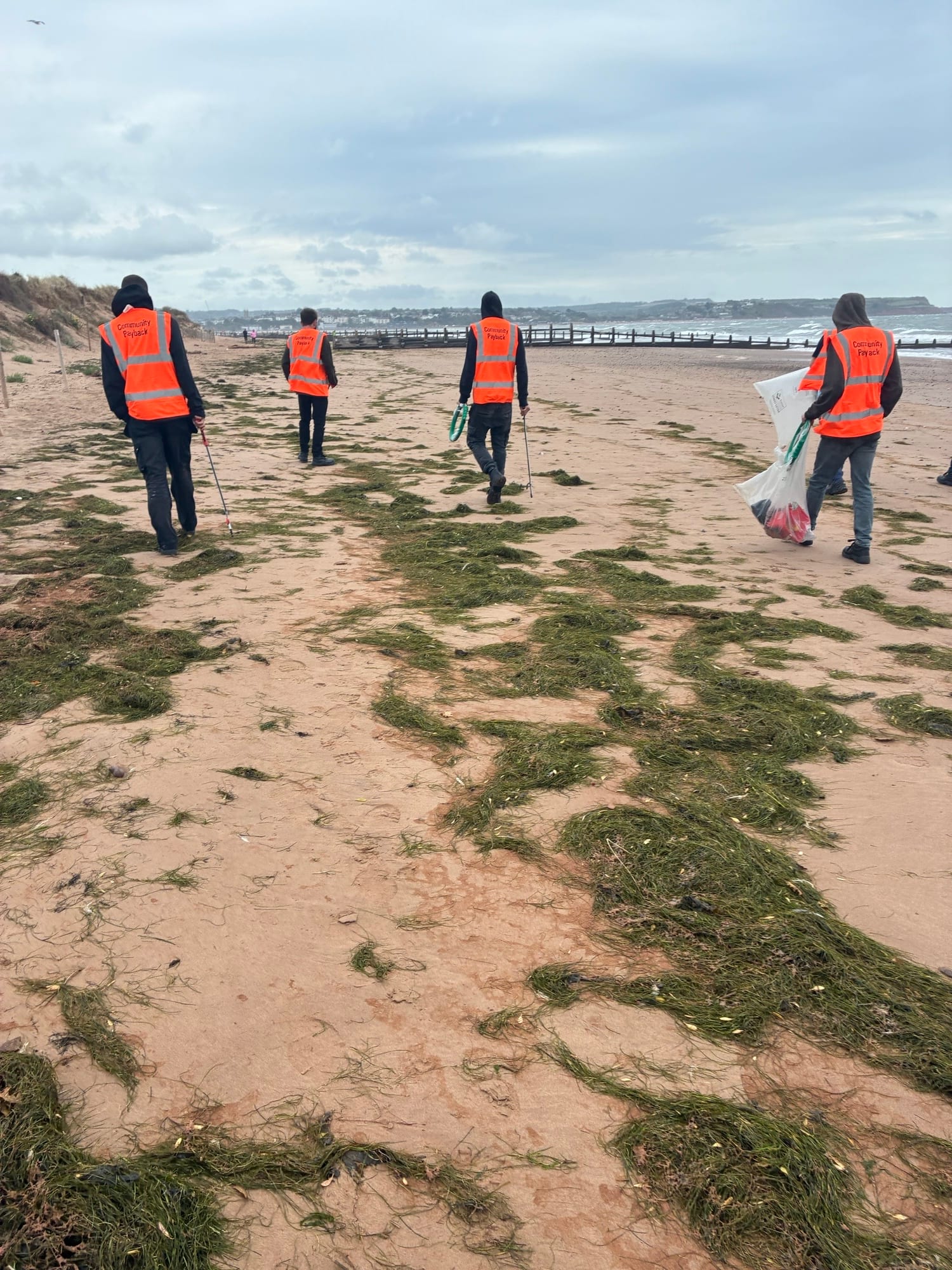 Offenders help remove harmful waste from Devon beaches
 Dispute over rare bat‘s presence adds bite to Exmouth’s possible 700-homes site
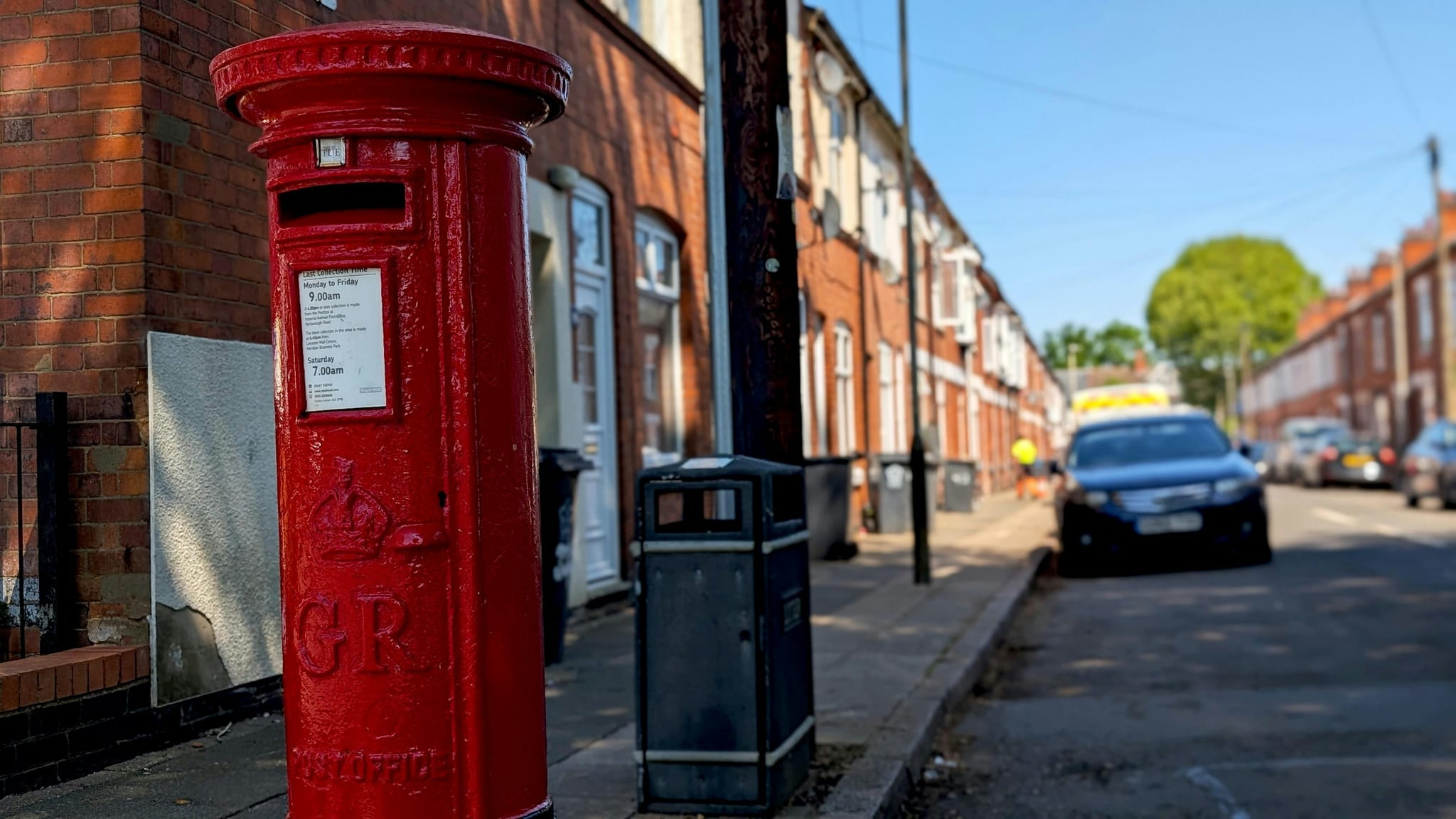 MPs demand action over ‘shameful’ Royal Mail deliveries
 Fire service opts to restrict water usage amid severe drought hitting Devon
 More than 4 in 10 South West school leaders say their schools face redundancies or restructuring
 RNLI urges public to stay safe in the South West during Storm Austen
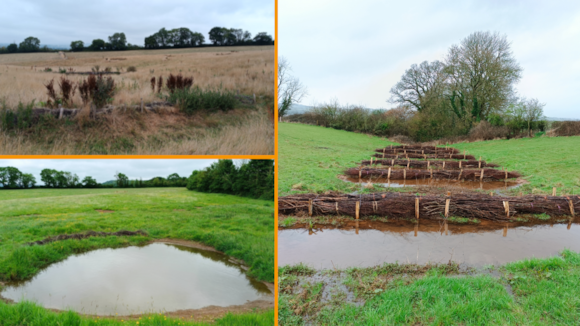 Natural flood defences shown to protect flood-prone Devon communities.
 South West Water urges customers to check for leaking toilets as drought reaches critical phase