
The go-ahead has been given for a Devon council to develop a policy that would allow 5G technology to be installed on lampposts.
Poor connectivity in Devon is a persistent issue, and the thrust behind the argument for allowing mobile operators to install small-cell 5G equipment on the likes of lampposts could be one way to improve things.
Devon County Council’s decision-making cabinet approved the policy, even though there were some concerns about whether operators would just target relatively well-served areas but continue to ignore those with very little or no 5G connection.
A report prepared for the cabinet said Devon;s economy could be boosted by £15 billion – £22 billion by 2035 if 5G connectivity was better.
It also stated that the council could potentially earn £300-£350 for every lamppost equipment was installed on, albeit it was stressed this wasn’t the key driver of the policy.
Devon’s cabinet has been cautious on 5G historically, with a 2019 decision opting to press the brake pedal until more was known about the potential health implications of 5G.
But with the most recent research showing little concern at present, most cabinet members felt now was the time to press ahead.
“The decision to be cautious seven years ago was entirely laudable, but seven years later the figures show we are being left behind,” said Councillor Dan Thomas (Liberal Democrat, South Brent & Yealmpton).
“It’s that simple and it would be remiss of us to delay it now.”
He added that 5G providers would have permitted development rights to install their own posts to attach 5G equipment to anyway, and so the council might as well embrace the situation and support the wider roll-out of the technology across the county.
Councillor Cheryl Cottle-Hunkin (Liberal Democrat, Torrington Rural), the cabinet member whose portfolio includes rural services, has led on the issue, and said the issue of poor connectivity was “raised fairly regularly” by constituents.
“Devon remains far behind, with national 5G coverage at over 96 per cent and Devon only 66 per cent,” she said.
“Some of our rural districts – North Devon, Torridge and West Devon – have the lowest coverage anywhere in England.
“Better 5G could support farming and tourism, with 5G-enabled precision agriculture potentially helping farmers monitor livestock and soil conditions, while improved connectivity could help the visitor experience here.”
Cllr Cottle-Hunkin noted tourism accounted for £2.3 billion to the Devon economy each year – equivalent to 10 per cent annually – and improved mobile infrastructure would support that.
While most members were in agreement, Councillor Jacqi Hodgson (Green Party, Totnes and Dartington) still had reservations about the potential health concerns and said she wouldn’t be supporting the motion.
“Where is this demand coming from, who benefits, and why have we not had the broadband that we should have done after being assured coverage and money being invested by government,” she said.
“I’ve been concerned about this since the 1990s, as there is inadequate research on the long-term impacts.
“Unknowns can be dangerous, and I’m not prepared to supoprt this as I have no confidence that what is being proposed is genuinely safe, not for today, or next year, and we might find we have problem [akin to ] asbestos or tobacco that has been caused by us saying ‘yes’ today.”
Her colleague Councillor Denise Bickley (Liberal Democrat, Sidmouth) said she had sympathy with Cllr Hodgson’s concerns, but her other fear was about where operators would focus their efforts.
“What mechanisms exist to improve connectivity in the hardest-to-reach places rather than just increasing capacity in places where it is already commercially attractive,” she asked.
“Will it actually help rural areas?”.
Officers said no “particular tactic” to encourage greater rural provision had been created yet, but that was partly because policymakers needed cabinet’s approval to formally develop a policy.
The meeting heard that 5G operators had approached the council, and that some interest had been shown in the town of Teignmouth, where so-called ‘not-spots’, which have no or very poor 5G, exist.
Councillor Michael Fife Cook (Reform UK, Yelverton Rural), the leader of the Reform UK group on the council, said promises for rural broadband connectivity hadn’t been fully met, and so he hoped if the same occurred with 5G provision on lampposts, that the council would look at all other ways to ensure rural connectivity.
“The most badly served people are almost always overlooked, and I I don’t know why we don’t look at every single possibility,” he said.
“Most people with terrible or no reception would be really over the moon if they had some, even if it wasn’t great.
The cabinet voted in favour of developing a formal policy that would allow 5G small cell equipment to be installed on assets it owns, such as lampposts.
 Scam letters requesting payment
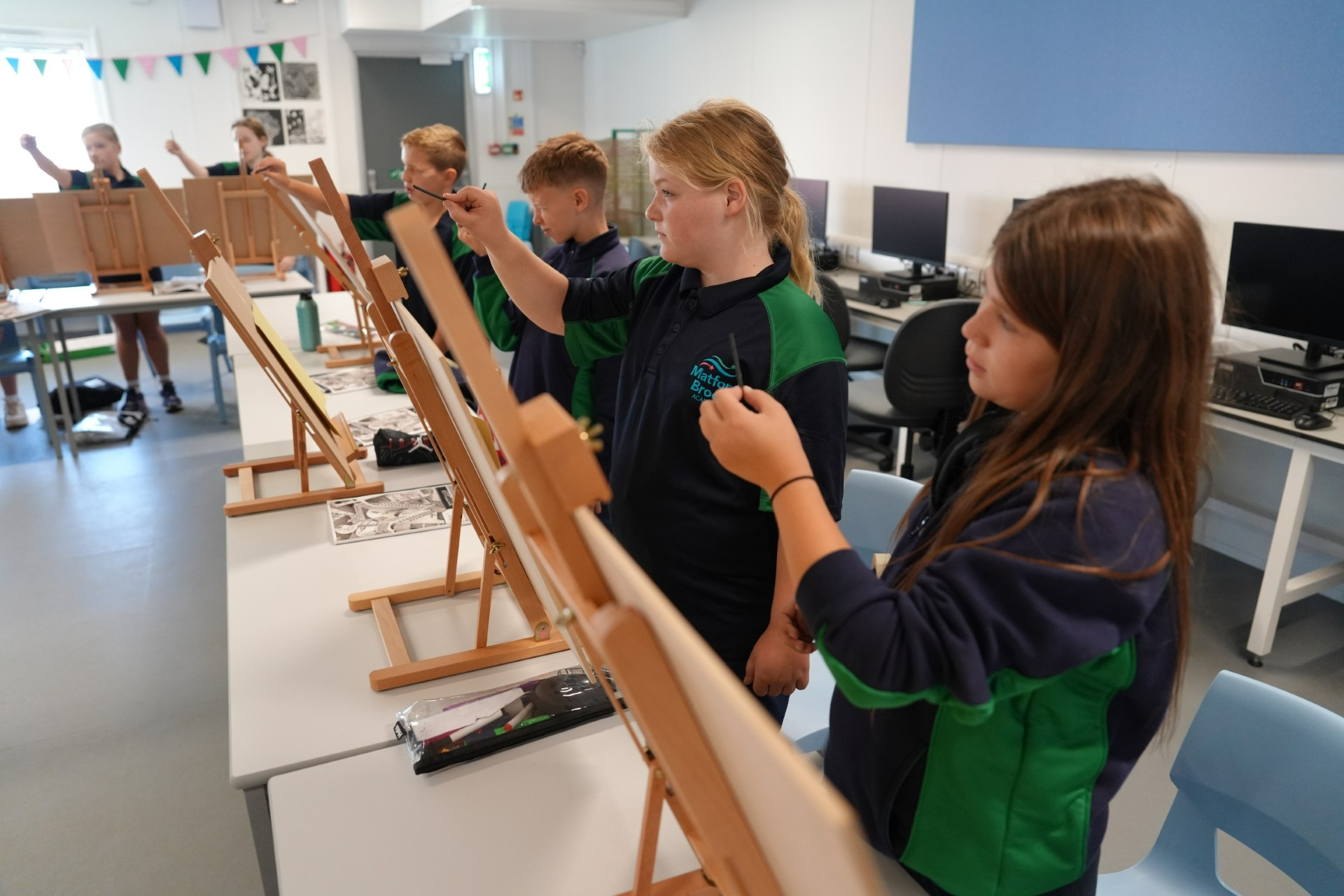 Matford Brook Academy Expands Facilities for New School Year
 County Council backs renewed support for Devon farmers hit by bluetongue
 Get vaccinated and don’t visit patients if unwell, health leaders urge as flu hits local hospitals
 Severe drought declared as reservoir levels fall
 All Souls Day Festival returns to Exeter
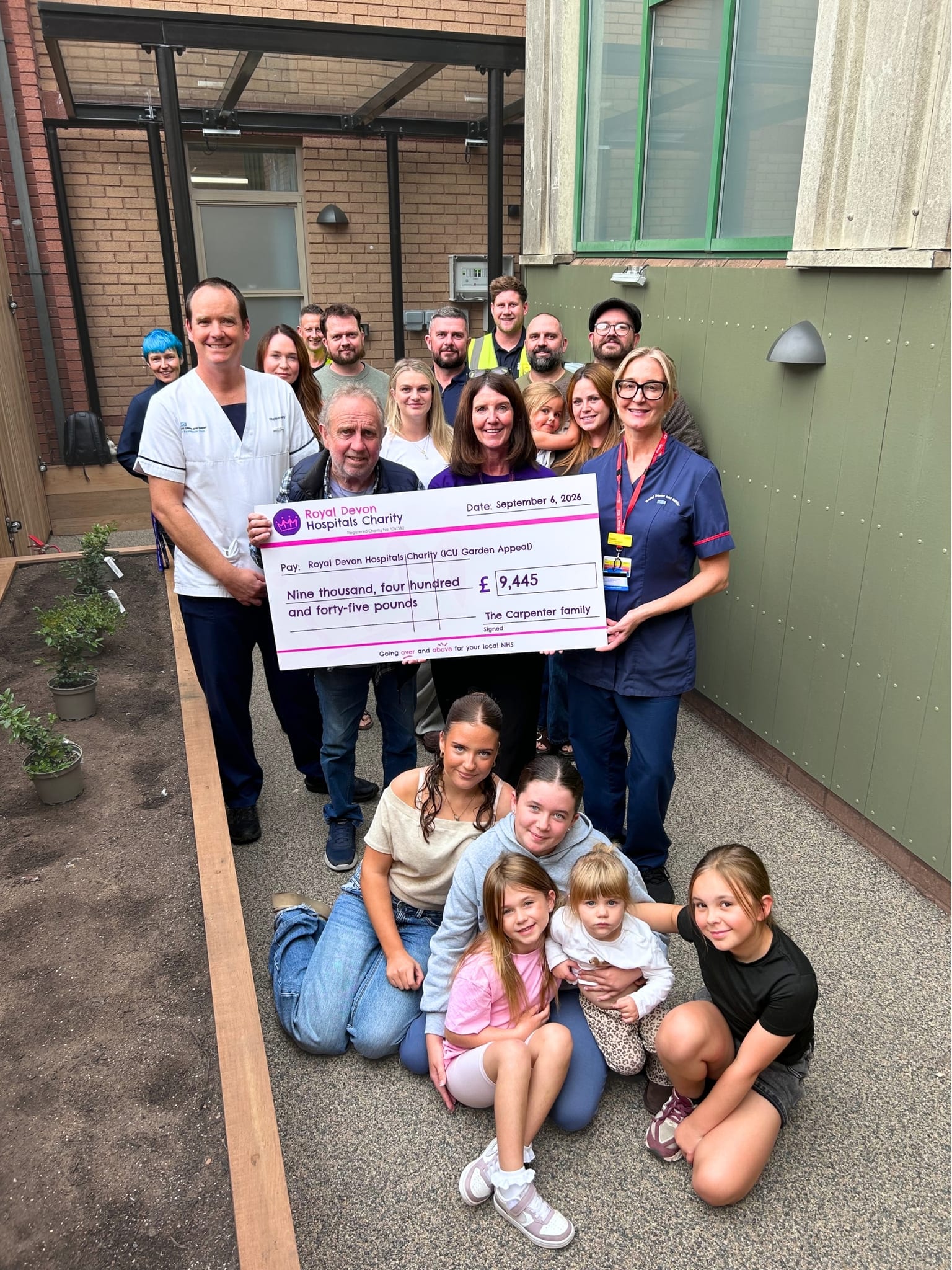 Starcross family raise £10k for Hospital ICU Garden Appeal
 25 months in jail for woman who smuggled Thai cannabis
 Homes plan lodged for former Exeter leisure centre
 A Crowdfunding campaign has launched to raise some of the funds needed to build a permanent community “village green by the sea” in Exmouth.
 Fire Service issues enforcement notice for fire safety breaches at Torbay hospital
 Unsung heroes’ who keep Exeter looking good honoured at awards
 County Council backs plan to help young people build a future in Devon
 Householders urged to fight fly-tipping by choosing reputable removers
 Multi-million pound funding boost to Devon’s road’s
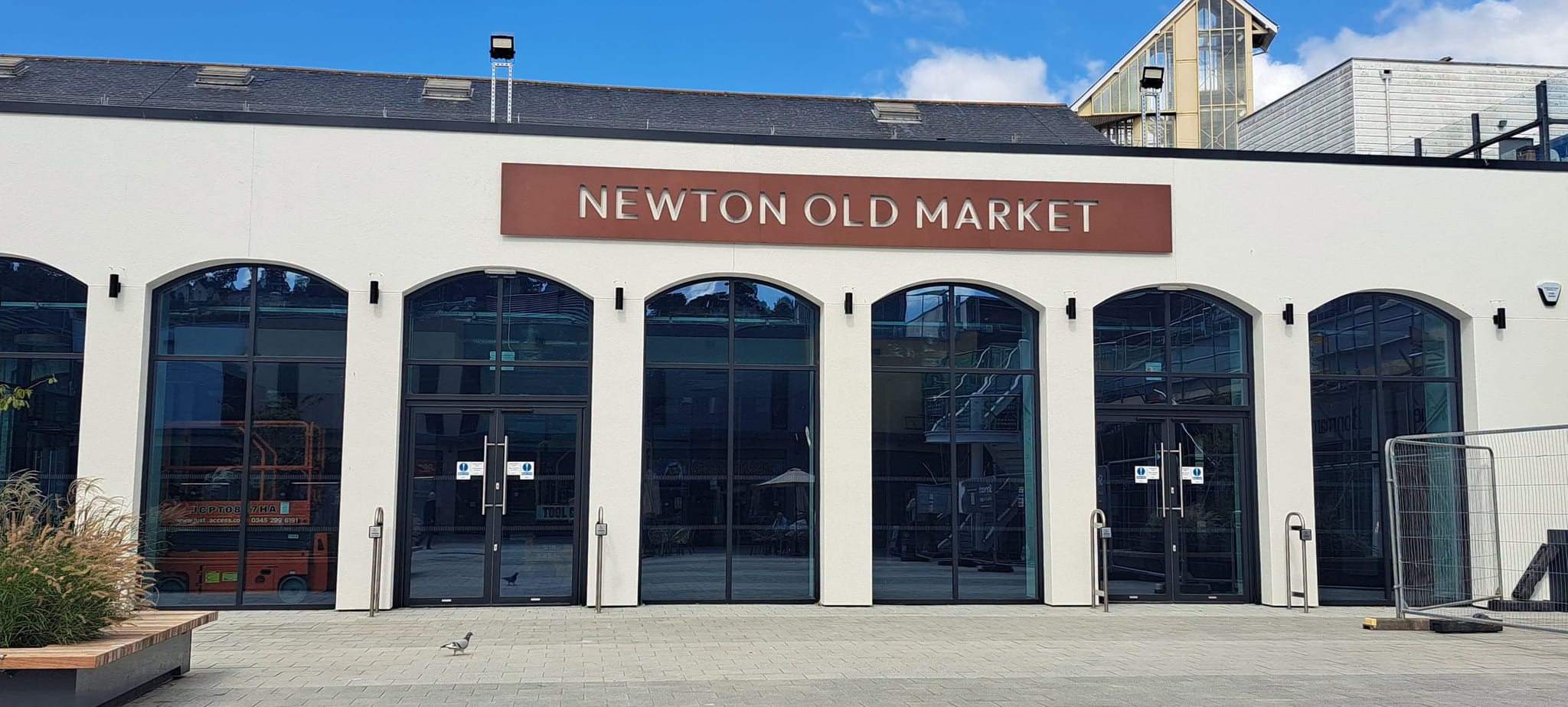 ‘Frustration’ as £5million Newton Abbot market stays shut