

Over recent weeks, many people will have seen media reports about police action targeting the illegal use of e-bikes and e-scooters across Devon and Cornwall.
In Torquay, officers recently seized a number of illegal e-bikes and e-scooters as part of efforts to tackle dangerous riding and anti-social behaviour. That followed the launch of Operation Forerunner in Exeter earlier this year, a coordinated initiative led by Devon & Cornwall Police and partners to address the growing harms associated with the illegal use of so-called ‘micromobility vehicles’.
These stories have sparked important conversations about road safety, responsible riding and the role that e-bikes and e-scooters play in our communities.
There is no doubt that these vehicles can offer significant benefits. They can provide an affordable and sustainable way to travel, helping to reduce congestion and support greener journeys.
As their popularity continues to grow, however, so too do the challenges associated with their misuse.
Across Devon and Cornwall, police, road safety partners and emergency services are seeing increasing numbers of incidents involving micromobility vehicles. Children and adults are being injured in collisions, while some communities are experiencing anti-social behaviour and criminal activity linked to the illegal use of e-bikes, e-scooters and electric motorcycles.
Research has also highlighted the potential seriousness of injuries involving e-scooters, underlining why education, responsible use and effective regulation are so important.
While the vast majority of people want to use these vehicles responsibly, a small minority are putting themselves and others at risk.
The issue is also receiving attention at a national level. Last week, the Government launched a consultation aimed at tackling anti-social and illegal behaviour involving shared micromobility vehicles. The proposals include measures to prevent people riding shared cycles while drunk, underage or on pavements, alongside clearer consequences for irresponsible behaviour, including fines. The consultation would also give local leaders stronger powers to address issues such as poorly parked hire bikes and e-bikes, helping to ensure these schemes operate safely and responsibly within our communities.
It is also important that people understand the law around e-bikes. To be treated as an electrically assisted pedal cycle and used without registration, insurance or a driving licence, an e-bike must have pedals that can be used to propel it, a maximum continuous motor output of 250 watts, and the motor must not provide assistance when travelling above 15.5mph (25km/h). Vehicles that exceed these limits may be treated as motor vehicles in law and can be subject to additional requirements and enforcement action.
The message is simple. E-bikes and e-scooters themselves are not the problem. Used responsibly and legally, they can form part of a cleaner and more sustainable transport future. But everyone has a right to feel safe in their community, and that means ensuring these vehicles are used safely and within the law.
Whether through education, partnership working or enforcement where necessary, we must continue to respond to the challenges that come with new technology and changing travel habits. As technology continues to evolve, we must ensure that safety keeps pace with innovation. By working together, we can realise the benefits of micromobility while reducing the risks and helping to keep our communities safe
 Ten arrested following warrants linked to suspected drug network
 Appeal after jewellery taken during Dawlish break-in
 The new Dean of Exeter Cathedral is to be Revd Arwen Mary Folkes, Downing Street has announced
 Check before you travel: Evening service changes between Yeovil Junction and Exeter St Davids for vital engineering work
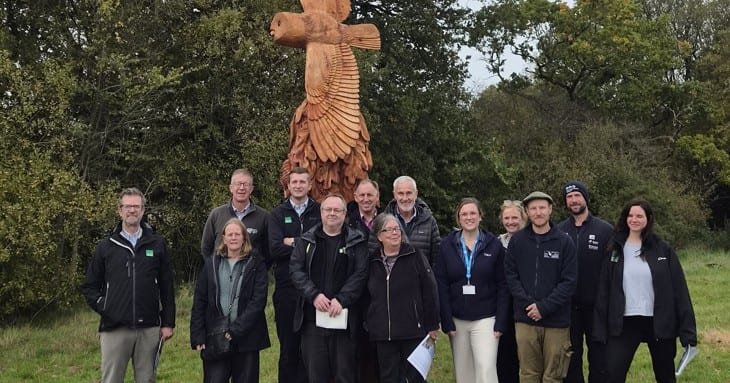 Natural England chief executive visits Clyst Meadows to see pioneering approach to protecting wildlife
 Devon Youth Folk Ensemble Invited to Perform at Music for Youth Proms at the Royal Albert Hall
 Post Office set to reopen
 Exeter College’s new RISE Centre opens to support learners with SEND
 Public invited to give their view on measures to support the endorsed Dryden Road changes
 Council urged to stop getting rid of its parks and toilets
 Devon Remembers
 Exeter is one of the best authorities in country for waste reduction
 Anger over Newton Abbot market hall delays
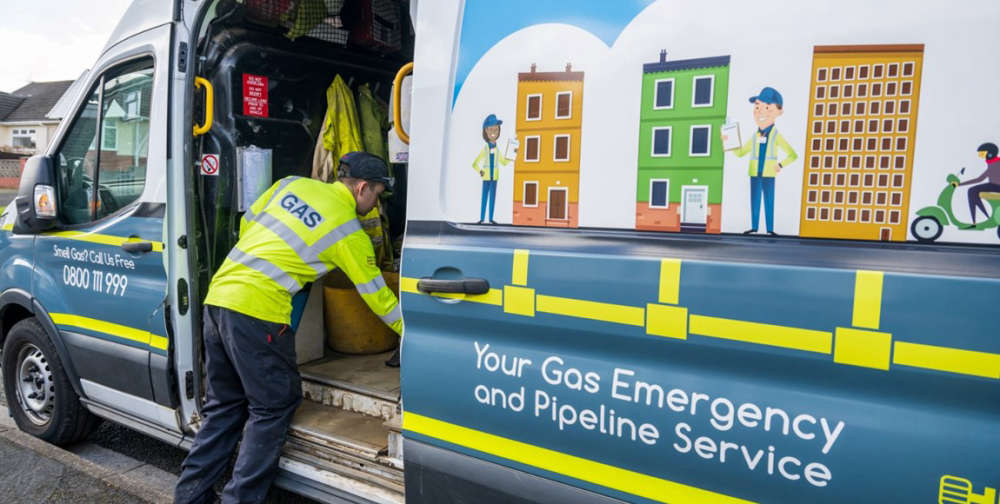 Traffic bulletin from Wales & West Utilities - Queen Street, Exeter
 Thomas Hall Students Support Local Food Bank with Donations
 Exeter-led £20 million hub will create ten brain health clinics to help NHS reduce dementia risk