

Drug-related deaths have fallen in seven of Devon’s eight districts, while more people are receiving treatment, according to the Office for National Statistics (ONS). But avoidable deaths remain unacceptably high.
A report to our Health and Adult Care Scrutiny Committee on Monday 23 November highlights the progress being made, the risks posed by potent synthetic opioids, and the need to help people get support sooner.
The latest ONS figures show a reduction in drug-related deaths in most of Devon.
The number of adults receiving treatment has also risen by 40 per cent since 2022, while successful treatment completions increased from 50 per cent to 60 per cent over the past year.
The improvement shows that prevention, treatment, harm reduction and partnership working can save lives, although there is much more to do.
A key part of this work is widening access to naloxone, an emergency medicine that can reverse an opioid overdose.
People who live with, work with, support or care for someone at risk are encouraged to carry it and learn how to use it.
Potent synthetic opioids, including nitazenes, remain a serious threat, the report says.
They can be many times stronger than heroin and have been found in drugs such as cocaine and ketamine, meaning people may take an opioid without knowing it.
Local agencies are responding through a dedicated incident plan, wider access to naloxone and faster sharing of intelligence.
Alcohol continues to cause the greatest overall substance-related harm in Devon.
While much public attention focuses on illegal drugs, alcohol remains responsible for far more harm across our communities because of its widespread use.
We are developing a new countywide strategy to strengthen prevention, treatment and recovery support, building on last year’s Turning the Tide on Alcohol Harm report.
Director of Public Health and Communities, Steve Brown, said:
“More people are getting treatment and outcomes are improving. But the risks are changing, and some substances are becoming much more dangerous.
“We need to act quickly when new threats emerge.
“We must also recognise that drug and alcohol problems are often closely linked with poor mental health, homelessness, trauma and physical illness. No single service can tackle these issues alone.”
“Behind these statistics are vulnerable people who may have experienced trauma, adversity and exclusion.
“Compassionate support, strong relationships and communities that do not give up on people are critical to reducing harm and preventing avoidable deaths.”
 Trust overseeing closure-risk school pledges to ‘explore ways’ to bolster pupil numbers
 Exeter achieves Gold for social care nursing education
 Dangerous overtaking of cyclists caught on camera as Operation Snap surpasses 30,000 submissions
 Women and girls asked to map safety concerns across Exeter
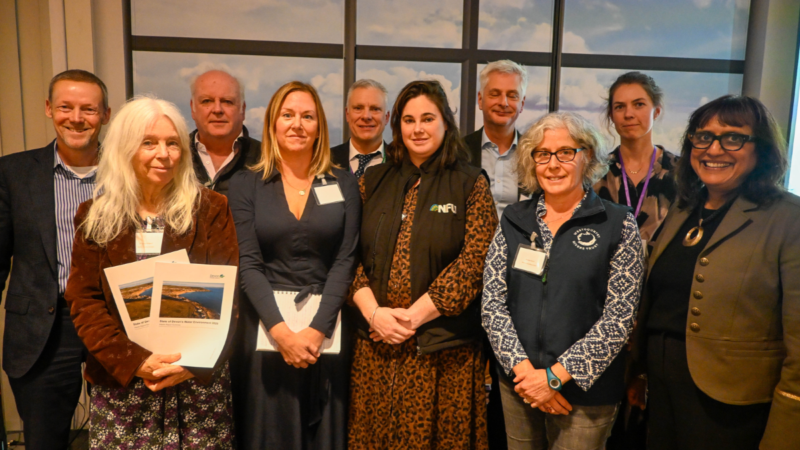 Major water summit first step on journey to Devon’s water future
 Andy Burnham under fire as Brixham fish fleet faces crisis
 Residents still confused about planning permission need for this home improvement
 South West has lowest rate of antibiotic-resistant infections in England, but resistance is still a concern
 Serious injury collision, Colaton Raleigh
 Rogue landlords face tougher action under new East Devon enforcement policy
 Exmouth Nursery Praised for Its Warm and Nurturing Care
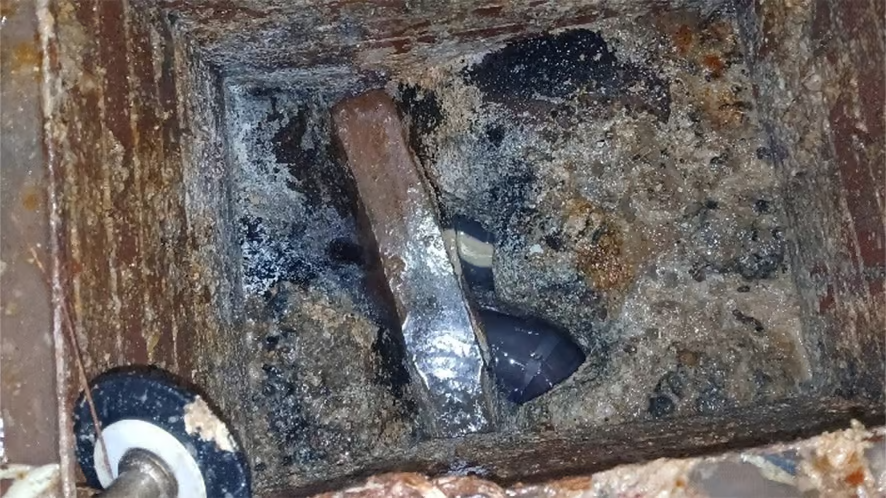 South West Water lifts the lid on the hidden fat, oil and grease found beneath Devon businesses this summer
 University of Exeter wins prestigious Green Gown Award for city-centre nature recovery project
 Demand for action from Milburn Report
 Heating oil up 85% in nine months: Devon Communities Together urges rural households to seek free winter support
 Devon trains to get satellite wi-fi