

Women and girls are being asked to pinpoint where they feel safe or unsafe in Exeter to help identify changes that could make the city safer and more welcoming.
Throughout November and December, those who live, work, study in or visit the city are invited to share their experiences through an online map.
They can highlight particular places and journeys, explain where they feel safe or less safe, and describe what makes the difference.
The findings will help Devon County Council identify possible improvements to streets, public spaces and transport, such as lighting, seating and ways of monitoring public spaces.
The study covers travel in and around Exeter, including journeys to work or education, routes to school, public transport, walking, wheeling and cycling routes, and quieter residential streets.
People can also share their experiences face to face at pop-up events across Exeter, where they can speak to the project team and contribute to the study:
The date, location and time of the events are:
- Tuesday 24th November: University of Exeter, 1The Forum, 10am-2pm
- Thursday 26th November: Exeter College, The Foyer, Hele Road Campus, 11am-2pm
- Tuesday 1st December: Devon Partnership NHS Trust, Wonford House (10am-2pm)
- Thursday 3rd December: Exeter Bus Station, 3pm-7pm
-
Devon County Council has launched the city-wide pilot study to help make Exeter safer and more inclusive.
The pilot is supported by organisations including Exeter City Council, InExeter Business Improvement District, Devon and Cornwall Police, the University of Exeter and Exeter College.
It builds on InExeter’s work to improve safety around the city’s nightlife and supports Exeter City Council’s Safer Exeter objectives.
The council is working with transport consultants WSP on the study.
Research has consistently shown that how safe women feel influences their everyday travel choices. The pilot forms part of the council’s Local Transport Plan 4 objective of creating “Greater Places for People”.
Responses from the online map and events will be analysed to show which locations and routes attract the most safety concerns, how the design and features of streets and public spaces affect feelings of safety, and how travel patterns and transport links shape women and girls’ experiences. This will help identify practical improvements to places and transport that could make everyday journeys and experiences better for women and girls across Exeter.
The study is intended to lead to a strategy to guide how the county council and other local organisations could address specific safety concerns over the coming years.
To take part in the pilot study or find out more, visit the consultation page.
Alternatively, email questions or feedback to transportplanning-mailbox@devon.gov.uk.
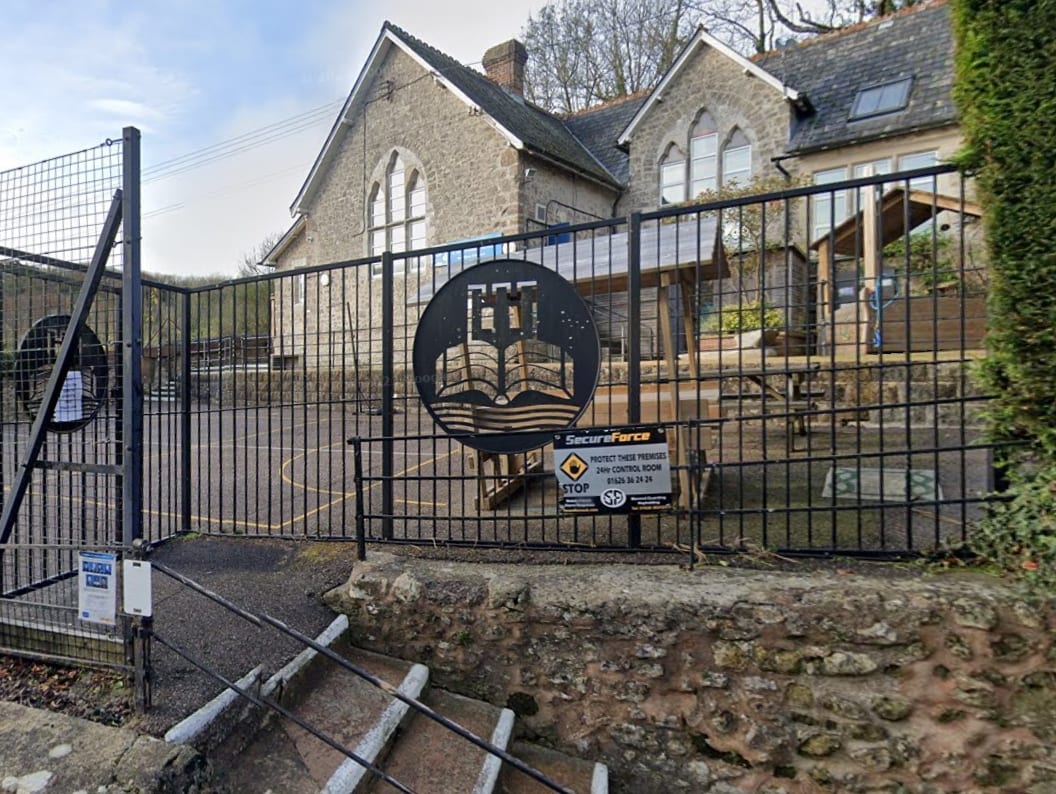 Trust overseeing closure-risk school pledges to ‘explore ways’ to bolster pupil numbers
 Exeter achieves Gold for social care nursing education
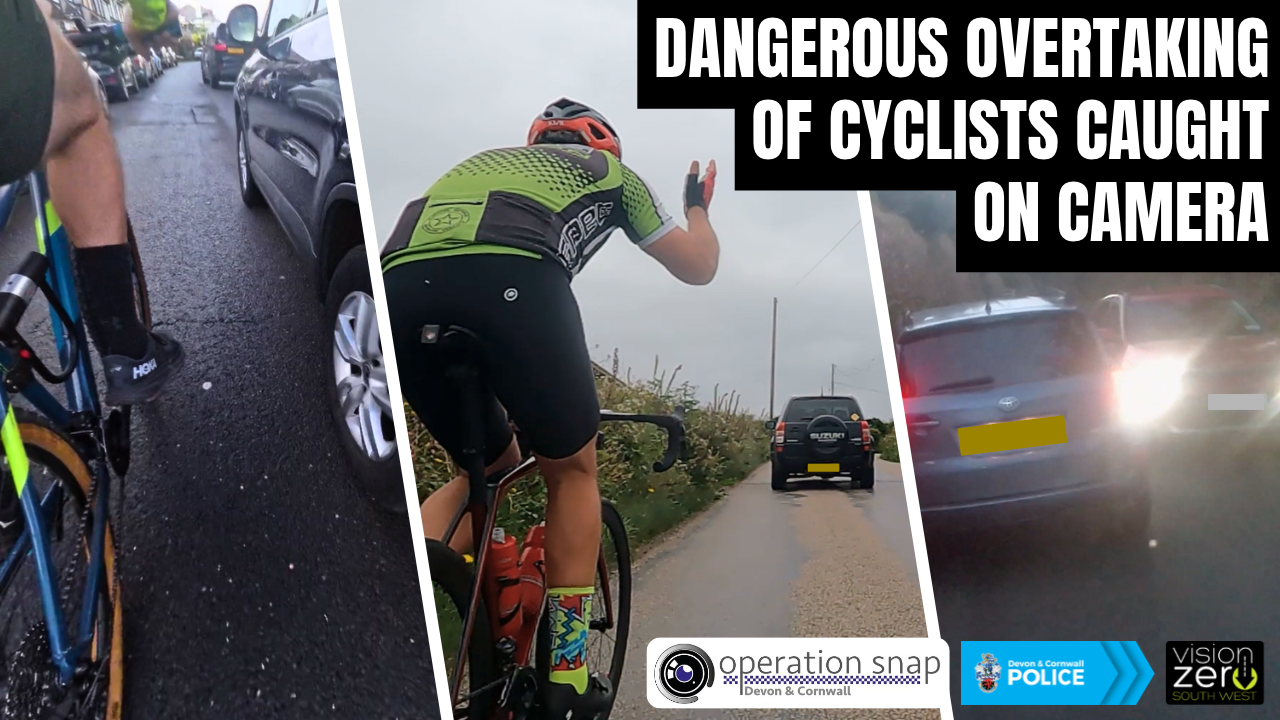 Dangerous overtaking of cyclists caught on camera as Operation Snap surpasses 30,000 submissions
 Progress made in reducing drug-related deaths, but more lives must be saved
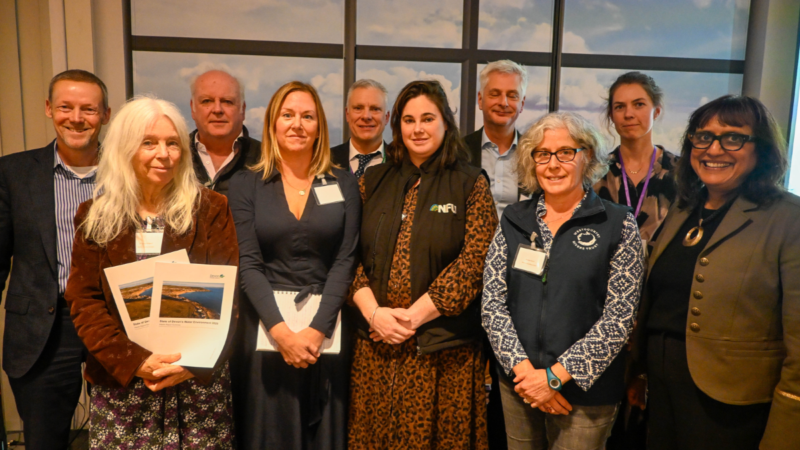 Major water summit first step on journey to Devon’s water future
 Andy Burnham under fire as Brixham fish fleet faces crisis
 Residents still confused about planning permission need for this home improvement
 South West has lowest rate of antibiotic-resistant infections in England, but resistance is still a concern
 Serious injury collision, Colaton Raleigh
 Rogue landlords face tougher action under new East Devon enforcement policy
 Exmouth Nursery Praised for Its Warm and Nurturing Care
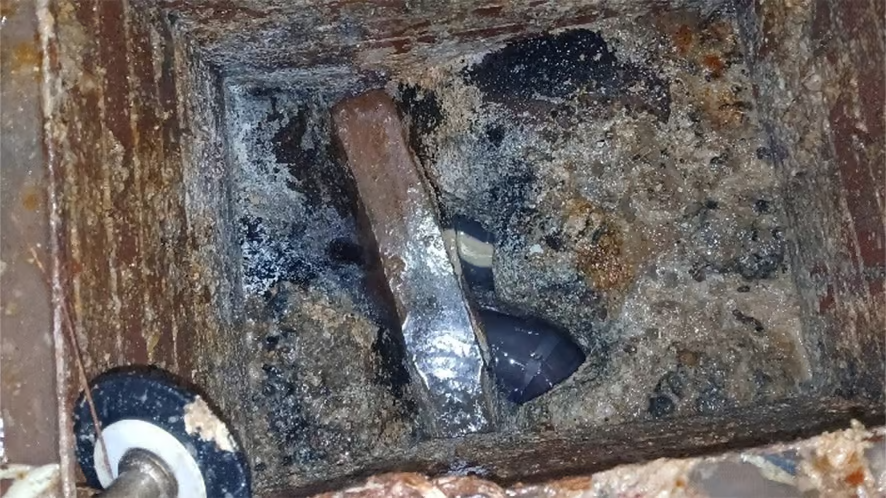 South West Water lifts the lid on the hidden fat, oil and grease found beneath Devon businesses this summer
 University of Exeter wins prestigious Green Gown Award for city-centre nature recovery project
 Demand for action from Milburn Report
 Heating oil up 85% in nine months: Devon Communities Together urges rural households to seek free winter support
 Devon trains to get satellite wi-fi