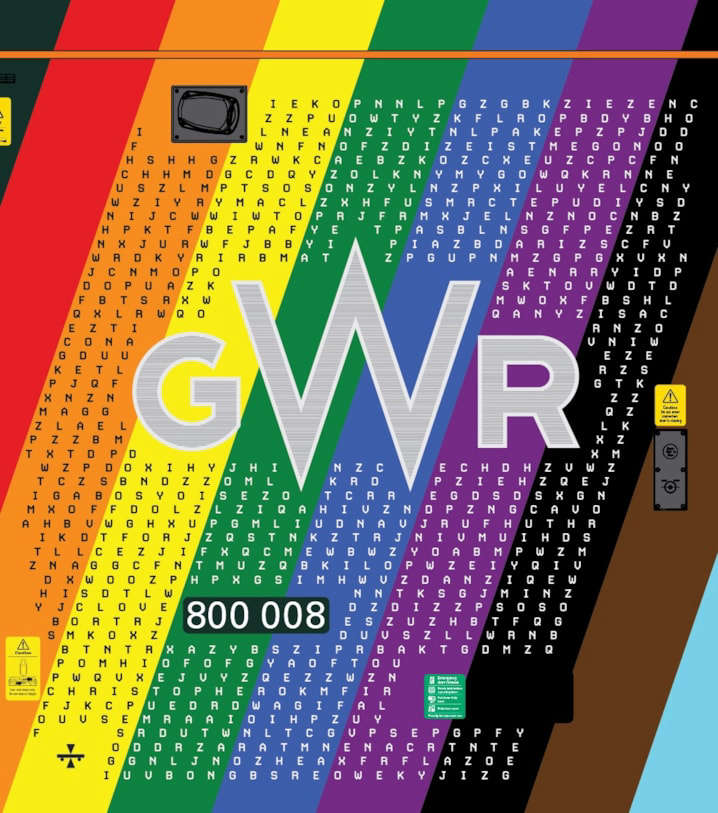
The race is on to finally crack a secret code hidden on the side of a Great Western Railway train for the past four years.
GWR named its popular ‘Trainbow’ Intercity Express Train after World War Two codebreaker Alan Turing back in May 2022.
The special livery on IET 800008 features a pattern of letters that appear random – but GWR has now revealed it conceals a hidden message.
And it is inviting would-be codebreakers to decipher the words before the anniversary of Turing’s birthday on 23 June.
Clues will be shared on GWR's social media channels to help those taking up the challenge. Everyone who successfully cracks the code will be entered into a draw to win one of five limited-edition coins produced to mark the train's naming.
GWR Head of External Communications, Dan Panes, said:
“When we named the train after Alan Turing back in 2022, we did give a little hint that there was more to the design than first meets the eye.
“It’s remained unchanged for the past four years, and no-one has ever come forward with a suggestion, so we decided to up the ante a little by running this special competition.
“GWR has a long history of naming trains after Great Westerners, the past and present heroes from across our network, and we were proud to add Alan Turing to that list.
“I’ve got a feeling he’d have enjoyed this hidden message and the thought of train travellers doing their best to crack the code.”
Alan famously led a team in ‘Hut 8’ at the Government Code and Cypher School (GC&CS) at Bletchley Park, Britain’s codebreaking centre during the Second World War.
In 1942 he and his team cracked the vitally important and most difficult German Naval Enigma. His work in the field of computer science was groundbreaking and paved the way for modern computing.
Alan is also an admired role model within the LGBTQ+ community and his legacy has helped change social attitudes in Britain.
Although laws during the 1950s made it illegal for him to be openly gay, Alan did not shy away from his sexuality. He was arrested for gross indecency which resulted in a sentence of chemical castration.
Two years later Alan died of cyanide poisoning. Following the launch of an internet campaign in 2009, he was granted a posthumous royal pardon four years later. A subsequent legal amendment, known as ‘Turing’s Law’, pardoned 65,000 other convicted gay and bisexual men.
Members of Alan’s family officially named the train at London Paddington and the ceremony also saw the unveiling of a new ‘Trainbow’ livery celebrating the LGBTQ+ community.
‘Trainbow’ was first unveiled in 2018 to support Pride events across the network and demonstrate GWR’s support for the LGBTQ+ community.
When you've cracked the code enter it at www.gwr.com/turing
 Scam letters requesting payment
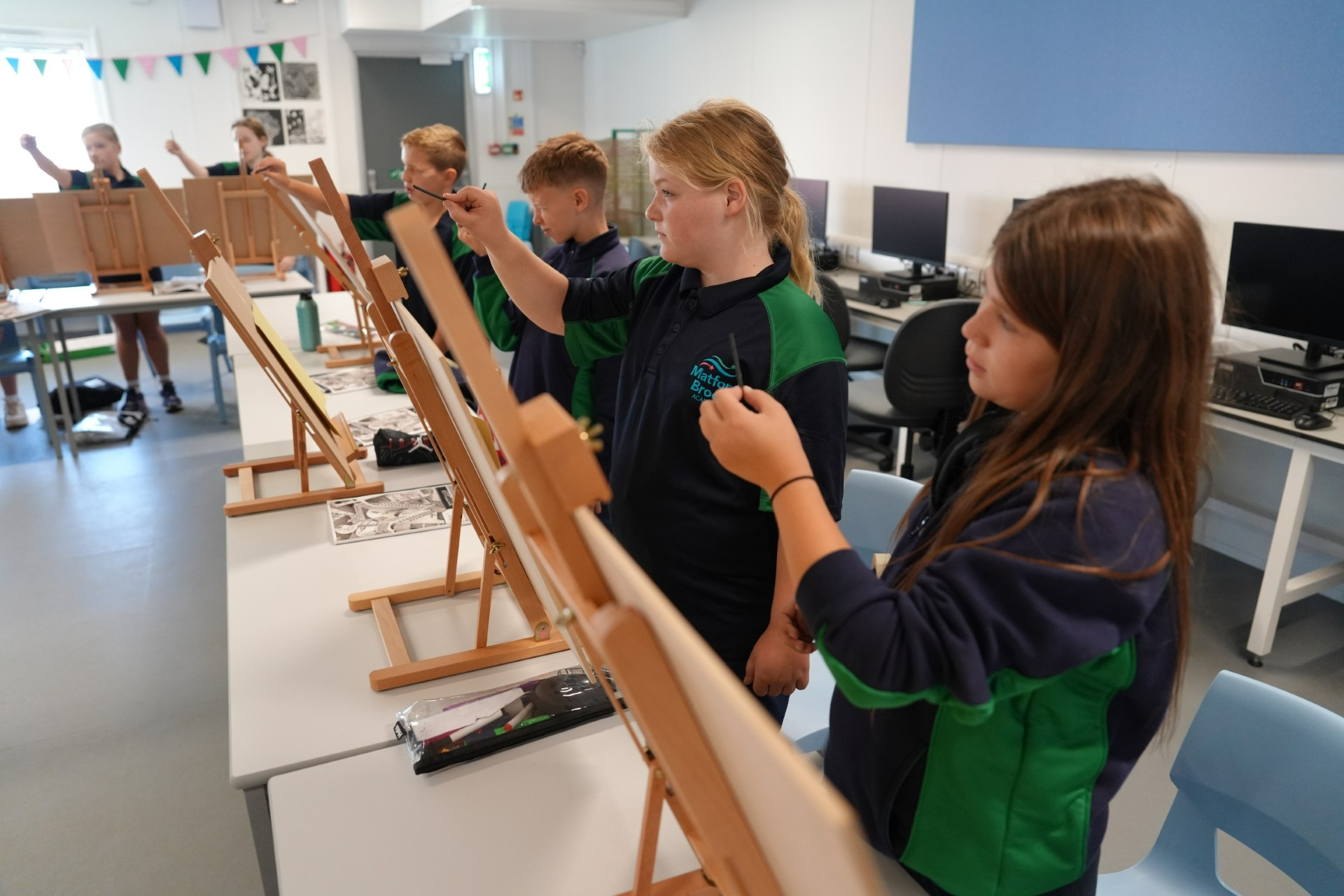 Matford Brook Academy Expands Facilities for New School Year
 County Council backs renewed support for Devon farmers hit by bluetongue
 Get vaccinated and don’t visit patients if unwell, health leaders urge as flu hits local hospitals
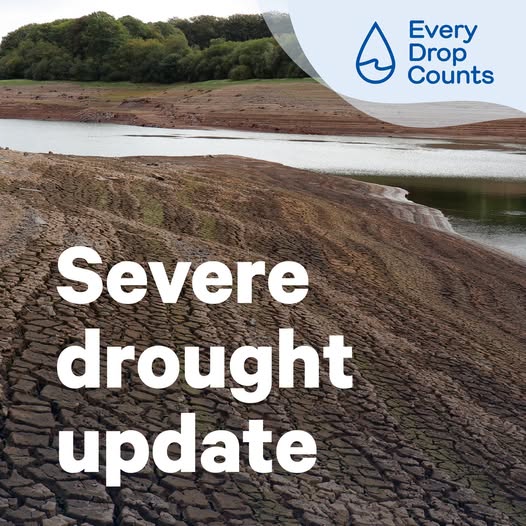 Severe drought declared as reservoir levels fall
 All Souls Day Festival returns to Exeter
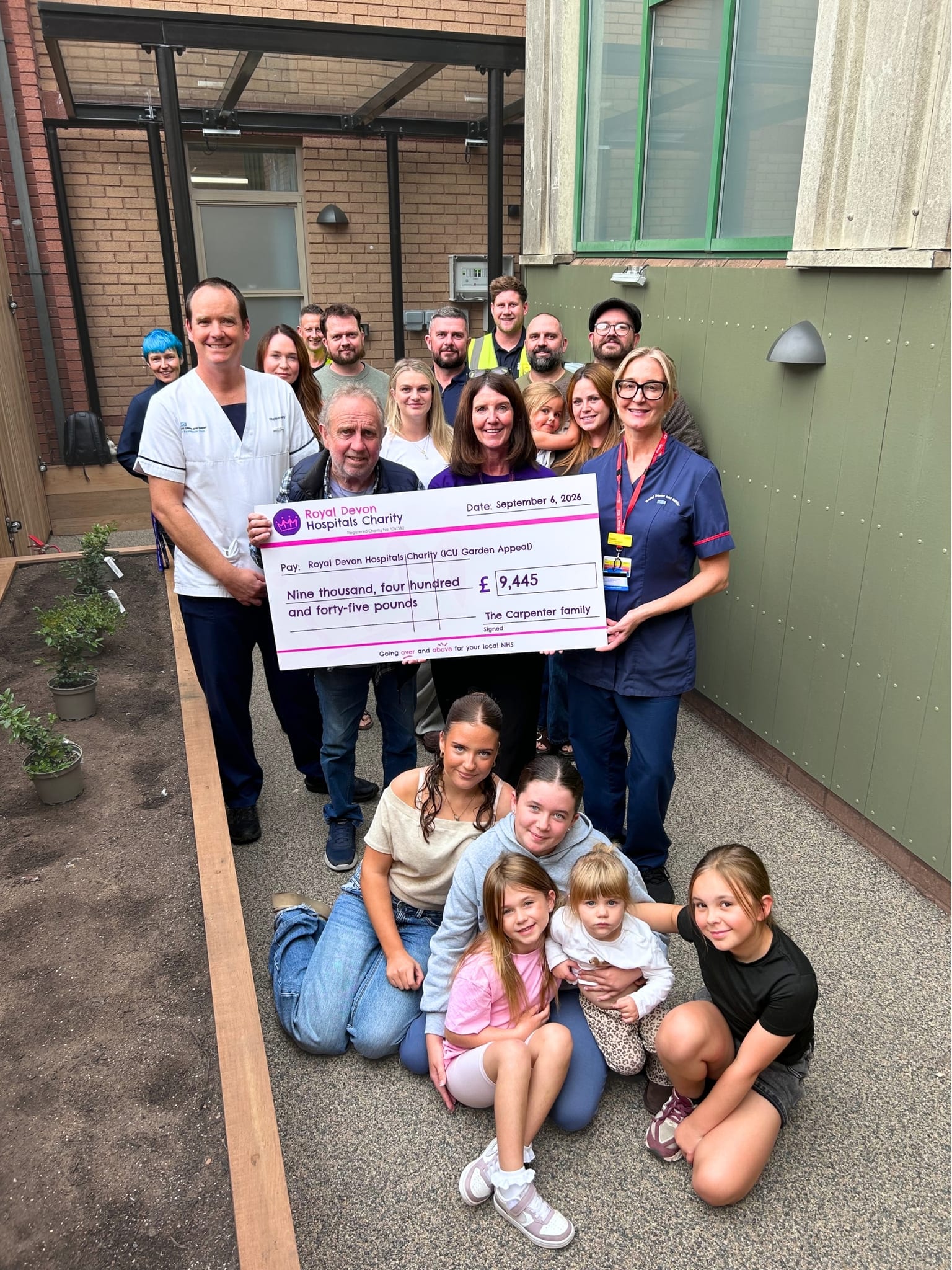 Starcross family raise £10k for Hospital ICU Garden Appeal
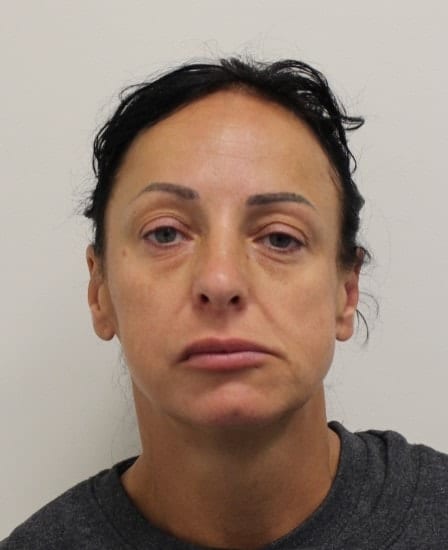 25 months in jail for woman who smuggled Thai cannabis
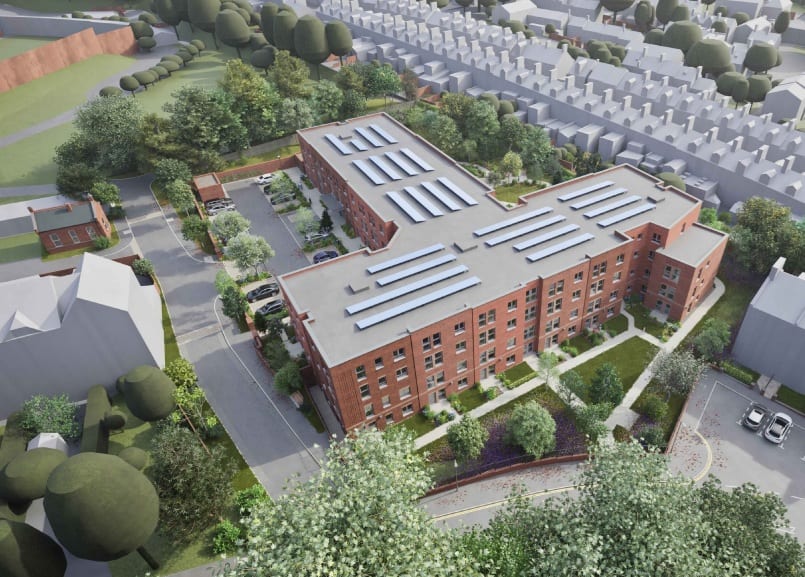 Homes plan lodged for former Exeter leisure centre
 A Crowdfunding campaign has launched to raise some of the funds needed to build a permanent community “village green by the sea” in Exmouth.
 Fire Service issues enforcement notice for fire safety breaches at Torbay hospital
 Unsung heroes’ who keep Exeter looking good honoured at awards
 County Council backs plan to help young people build a future in Devon
 Householders urged to fight fly-tipping by choosing reputable removers
 Multi-million pound funding boost to Devon’s road’s
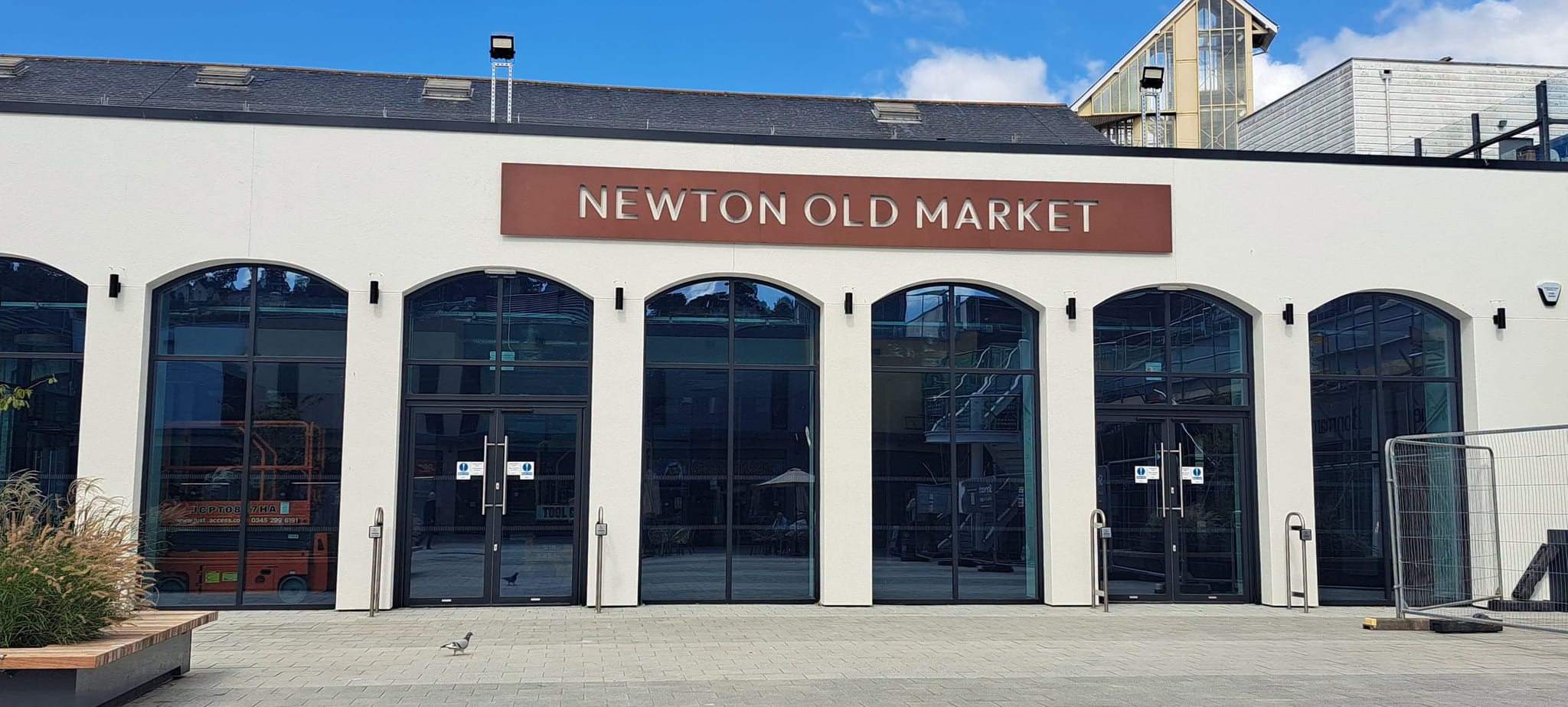 ‘Frustration’ as £5million Newton Abbot market stays shut