
Council tax bills are something that virtually all residents pay attention to, but their focus on the levy could become even keener amid Devon’s prospective overhaul.
With four new councils set to be created in two years’ time, scrutiny is already turning to whether council tax rates could rise as a result.
There are claims that urban residents could see their rates rise; that’s because of the view that by taking on neighbouring parishes, applying a simple average could lead to an increase for city folk.
And for rural residents, there are fears that a massive new ‘coast and country’ council will have no choice but to charge higher rates to sustain itself.
Looking at the existing rates of council tax across Devon’s current councils, the scale of any changes in some areas might not be as significant as some predict, while other areas may be under more pressure.
But even if rises in some locations look muted based on existing council tax data, that could be outweighed by the cost of the extra responsibilities the new councils will be taking on, as well as efforts to recoup the costs of the compulsory reorganisation.
Changing charges
The government has approved an overhaul of local government in Devon that will see Exeter expand into three of its neighbouring district councils – East Devon District Council, Mid Devon District Council and Teignbridge District Council – to become a notional Greater Exeter council.
Meanwhile, Plymouth will nab 13 parishes from South Hams District Council to become Greater Plymouth, and new amplified Torbay will be bolstered by taking on parts of Teignbridge and the South Hams.
The rest of Devon will become a so-called coast and country authority.
All of these councils will be unitary, which means they will be responsible for all services within their boundaries. Plymouth City Council and Torbay Council are already unitary, but the rest of Devon operates a two-tier system, whereby district councils oversee some services and the county council other ones within the same geographic area.
A key difference with council tax bills will be that unitary councils only collect the charge for themselves, as well as for the police and fire service.
District councils collect for themselves, but have to pass on so-called ‘precepts’ to Devon County Council, underlying parish councils, and the two aforementioned emergency services.
Looking at the expanded Exeter, that is taking on five of the top 10 most expensive parishes in terms of council tax levels.
However, the current Exeter City Council charge is already higher than every East Devon parish with the exception of Cranbrook. Exeter’s Band D is £2,495 with Cranbrook charging £2,512.
That could mean that any rise in the new Greater Exeter council could actually be more keenly felt by the former East Devon residents.
Similarly, while Greater Exeter is set to take on Mid Devon’s most expensive parish – Crediton – that town’s rate is lower- at £2,438 – than Extonians already pay.
The complicating factor for this new council, however, is that Exeter City Council does not currently oversee adults and children’s social services, highways, or education, and so the new authority will need to have the resources to deal with these complicated and expensive services.
Urban burden
In Plymouth, the Band D charge is £2,441 at the moment, but perhaps concerningly for Plymothians that is lower than every single one of the parishes in the South Hams.
Plymouth is set to subsume 13 parishes from the South Hams to become Greater Plymouth, suggesting that council rates could rise for city residents once the reorganisation is implemented.
Once again, there are factors that could mitigate this or increase the chances of rises.
Plymouth already oversees all council services, and so the new authority is likely to have some experience of running them, albeit just for more people than the city council does at present.
And in Torbay, its £2,456 charge for Band D is also lower than every parish in the South Hams and Teignbridge, from which it is set to take some parishes.
Like Plymouth City Council, Torbay already oversees all services, but the amount of people the new expanded Torbay council will be doing it for will rise, potentially adding costs.
Rural challenges
For the giant ‘coast and country’ council, things are less clear. While it will have a bigger population than any of the other three new unitary councils, its footprint will be vast.
Devon County Council already complains that central government has little understanding or sympathy for the elevated costs of delivering services across a more sparsely populated area.
With some of the more expensive parishes being nabbed by the expanding urban areas, there is a fear that what will be Devon’s largest council will face some quite stark challenges.
National deprivation indices rank Exeter 187th out of 296 lower tier authorities, while Devon County Council ranks 101 out of 153 upper tier authorities. Torbay is ranked 39th and Plymouth 68th out of the 153 upper-tier councils.
When looked at on a percentage basis, that puts the county council lower down its cohort than Exeter, even though predictions suggest the new coast and country council will be slightly less deprived than it is now.
But its sheer size masks some major disparities. The authority contains England’s most isolated rural area, with the Monkleigh and Putford LSOA ranking 1st nationally for barriers to housing and services, Plymouth’s local government reorganisation bid stated.
It added urban market towns like Barnstaple Central face health deprivation at rank 572 (Exeter’s worst ward on this metric, St David’s, ranks 287) and employment deprivation at rank 1,717 (3,579 for Exeter’s Priory).
Upward pressure
Devon’s new councils will likely all have new challenges to tackle, whether that’s delivering the same services but to more people, or taking on a host of new services.
Those changes will inevitably need funding, and so that could put upward pressure on council tax rates.
Residents are used to annual increases in council tax anyway, but for those living outside Plymouth and Torbay now, only about 75 per cent of their bill increases by 5 per cent – the portion for Devon County Council, which includes the 2.99 per cent all councils can hike the charge by, plus 2 per cent for social care.
But in unitary councils, the entire charge for the council can increase by 5 per cent, excluding the police and fire precepts which have different allowable increases.
That would seem to put upward pressure on council tax bills, possibly suggesting that when Devon’s four new unitary councils set their rates, they could be higher than many residents pay their existing council now.
 Scam letters requesting payment
 Matford Brook Academy Expands Facilities for New School Year
 County Council backs renewed support for Devon farmers hit by bluetongue
 Get vaccinated and don’t visit patients if unwell, health leaders urge as flu hits local hospitals
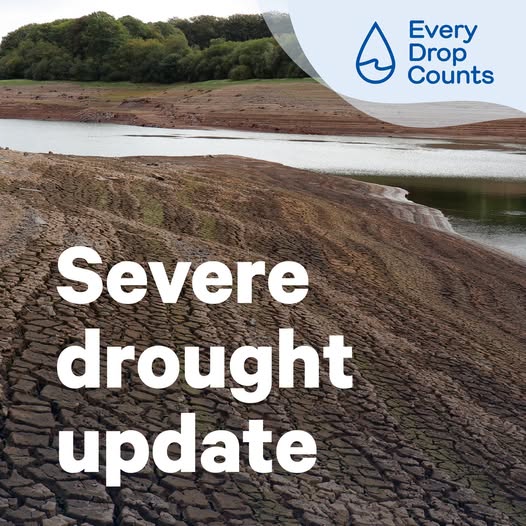 Severe drought declared as reservoir levels fall
 All Souls Day Festival returns to Exeter
 Starcross family raise £10k for Hospital ICU Garden Appeal
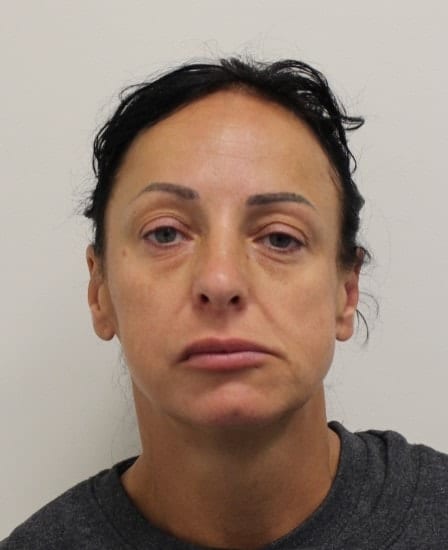 25 months in jail for woman who smuggled Thai cannabis
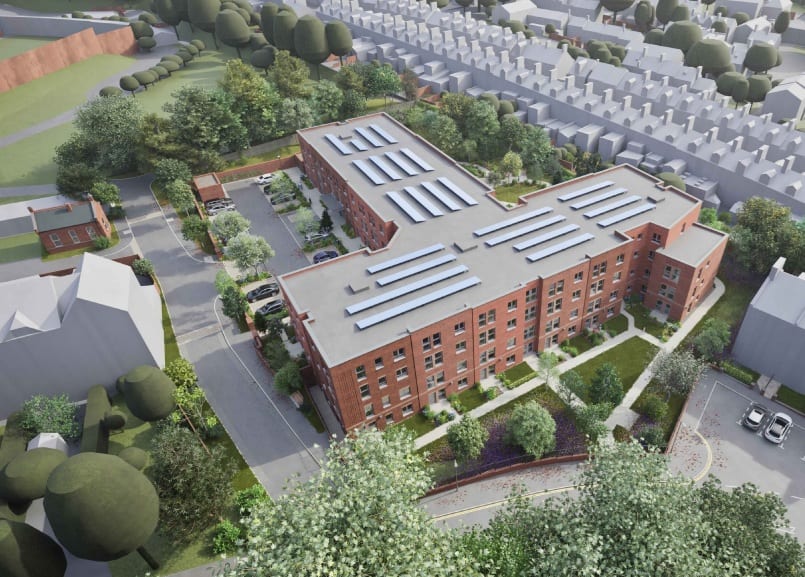 Homes plan lodged for former Exeter leisure centre
 A Crowdfunding campaign has launched to raise some of the funds needed to build a permanent community “village green by the sea” in Exmouth.
 Fire Service issues enforcement notice for fire safety breaches at Torbay hospital
 Unsung heroes’ who keep Exeter looking good honoured at awards
 County Council backs plan to help young people build a future in Devon
 Householders urged to fight fly-tipping by choosing reputable removers
 Multi-million pound funding boost to Devon’s road’s
 ‘Frustration’ as £5million Newton Abbot market stays shut