
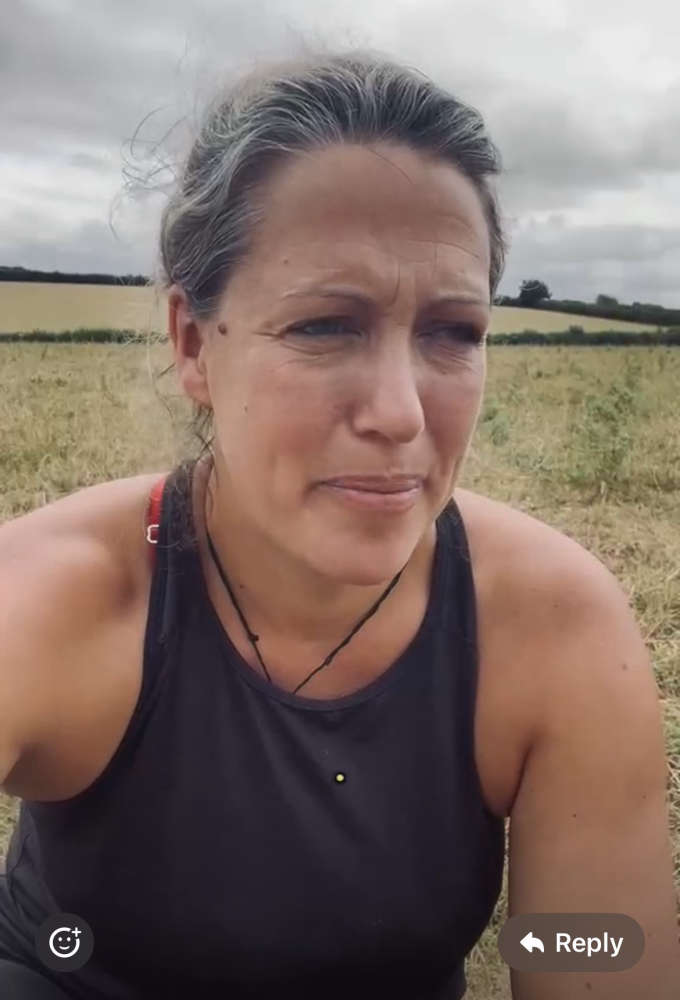
Faster testing, financial support and better communication are among the demands being made by Devon to push the government to better tackle the bluetongue outbreak.
A plea has been sent by farmer and councillor Cheryl Cottle Hunkin to Dame Angela Eagle, the secretary of state for the environment, food and rural affairs (Defra), calling for “immediate and decisive action” in tackling the animal health emergency.
In the urgent letter, Cllr Cottle Hunkin (Liberal Democrat, Torrington Rural), the cabinet member for rural affairs at Devon County Council, said the county’s farmers are already facing “devastating consequences for their animals, businesses and families” and so needed comprehensive support.
This included a request for a ring-fenced fund to help farmers meet the exceptional costs of carcass disposal and disease management, and longer term, a national disease management strategy that included a funded national vaccination programme.
Cllr Cottle Hunkin, whose Facebook video helped amplify the plight of the county’s farmers in the face of the bluetongue outbreak, called for the testing and reporting process to be “significantly accelerated and simplified” to help farmers make informed decisions more rapidly.
The Animal and Plant Health Agency (APHA) only tests three animals per holding, but Cllr Cottle Hunkin said it was essential that government recognises outbreaks at holding level, not just of individual animals.
“Current reporting significantly understates the true scale and severity of the disease,” Cllr Cottle Hunkin said.
“A holding may have only three animals sampled for laboratory confirmation, yet there may be dozens, or in some cases hundreds of sheep or cattle displaying clinical signs of bluetongue across that same farm.
“Reporting only the number of laboratory-confirmed animals nationally gives the impression that the outbreak is far smaller than the reality experienced by farmers on the ground.
She added that testing must be improved to confirm bluetongue more quickly, and to rule out other diseases with similar clinical signs.
“Faster differential diagnosis is essential to ensure appropriate action is taken at the earliest possible stage,” Cllr Cottle Hunkin added.
Criticism is also levelled at the government’s communication, with Cllr Cottle Hunkin stating it had “fallen well short of what farmers had every right to expect”.
“Throughout the emergence of the outbreak in the South West there has been a lack of timely, proactive communication from Defra to alert farmers to suspected local cases and the increasing level of risk,” Cllr Cottle Hunkin said.
“This failure has caused considerable anger and frustration across the farming community.
“Many farmers feel they were denied the opportunity to act sooner.”
She called for more timely alerts alongside “clear, practical guidance on the actions they should take”.
The letter also emphasises the longer-term consequences for livestock that survive a bluetongue infection, including reduced fertility, reproductive complications and impacts on future breeding.
“This has serious implications for next year’s breeding season, particularly where breeding stock numbers are already reduced,” Cllr Cottle Hunkin said.
“The knock-on effect on productivity will be felt for years, compounding both the financial pressure and emotional strain on affected farms.”
Crucially, Cllr Cottle Hunkin put a spotlight on the pressure the outbreak was putting on farmers themselves.
“The cumulative impact on the mental wellbeing of farming families cannot be underestimated,” she said, adding that the work to build herds over generations could be severely damaged in just weeks.
She added that farmers now needed a government response that matched farmers’ commitment to protecting animal health, maintaining high standards of livestock care and safeguarding the nation’s food security.
“[We need] faster testing, honest and transparent reporting, proactive communication, adequate vaccine supply, practical financial support and a long-term national strategy that prepares the country for the realities of a changing climate,” she said.
Defra said the midges that spread bluetongue became active again on 31 March 2026.
“Following the recent warm weather, experts advise that cumulative temperatures are now high enough for the virus to develop inside the midges, and onward transmission is now possible.
“Animals can also get infected through germinal products (semen, ova or embryos).
“Temperatures are also now high enough in many areas of nearby continental Europe for the virus to have developed inside midges. This means that we would expect any midges in these areas which were newly infected in the last few months to have the potential to have completed their extrinsic incubation period (EIP) and become infectious.
“The risk of transmission from midges blown across the channel has increased.”
 Scam letters requesting payment
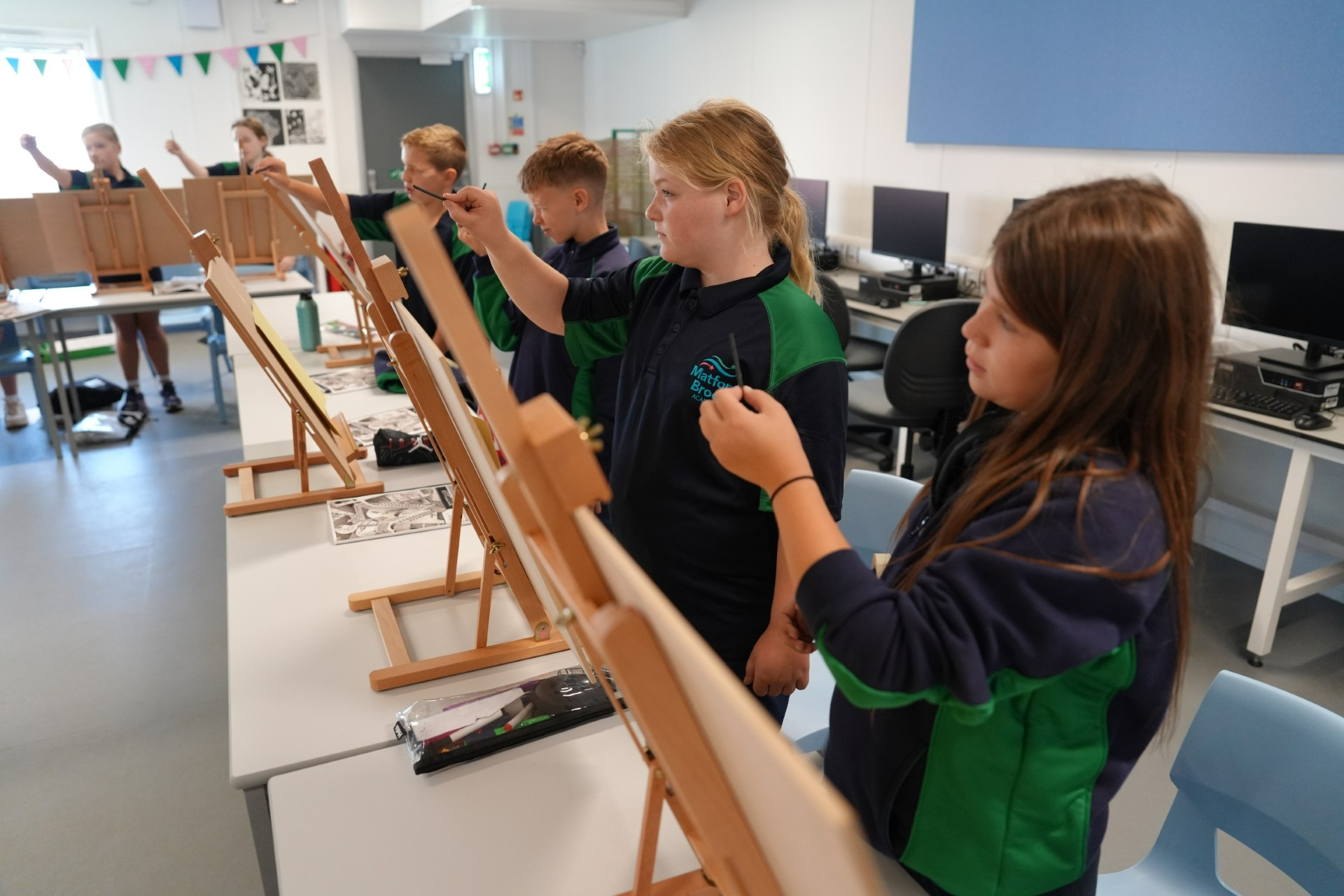 Matford Brook Academy Expands Facilities for New School Year
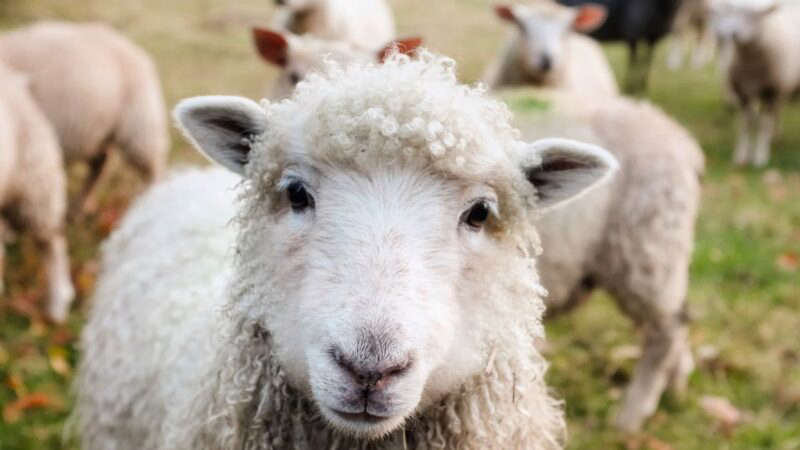 County Council backs renewed support for Devon farmers hit by bluetongue
 Get vaccinated and don’t visit patients if unwell, health leaders urge as flu hits local hospitals
 Severe drought declared as reservoir levels fall
 All Souls Day Festival returns to Exeter
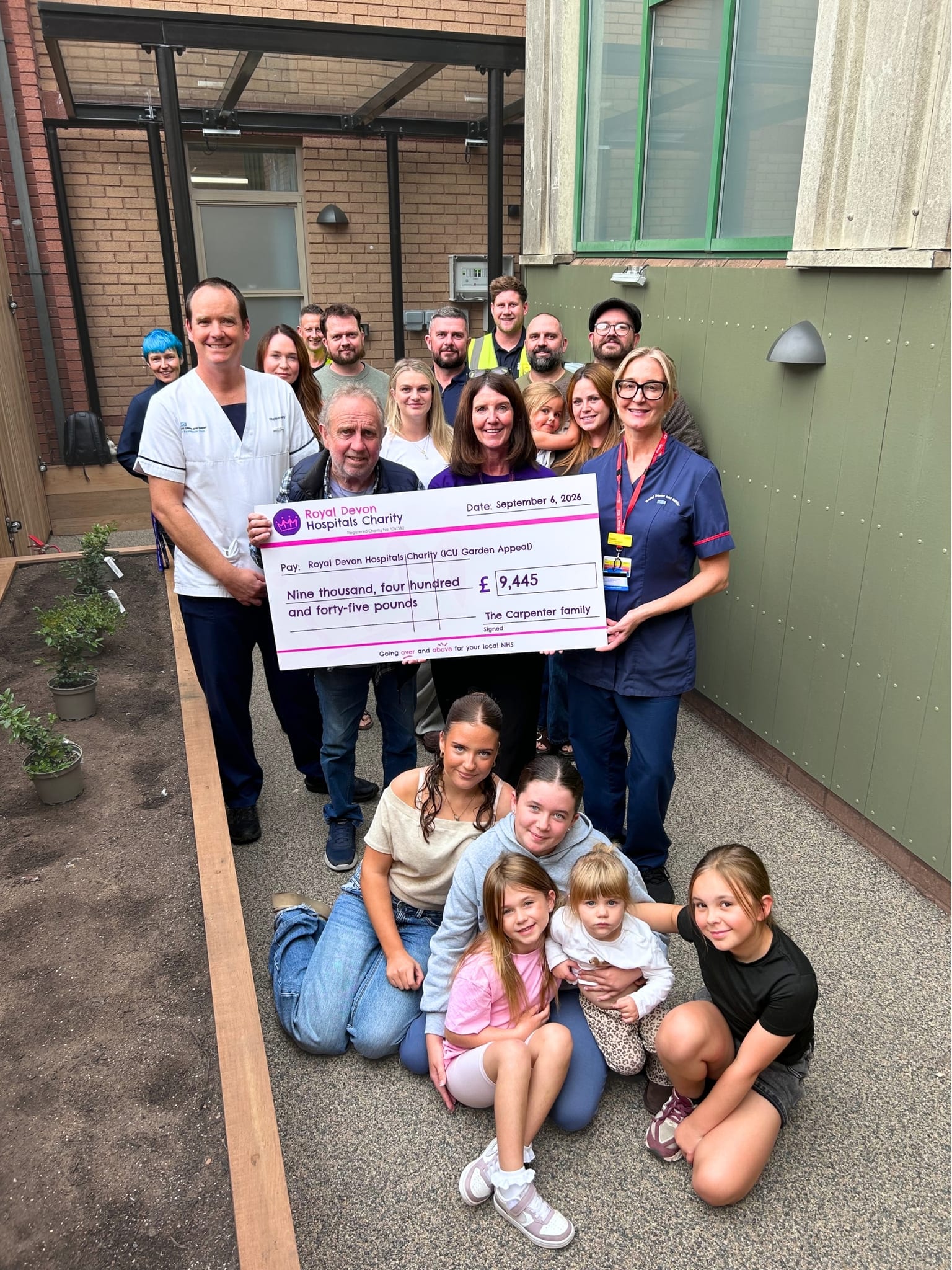 Starcross family raise £10k for Hospital ICU Garden Appeal
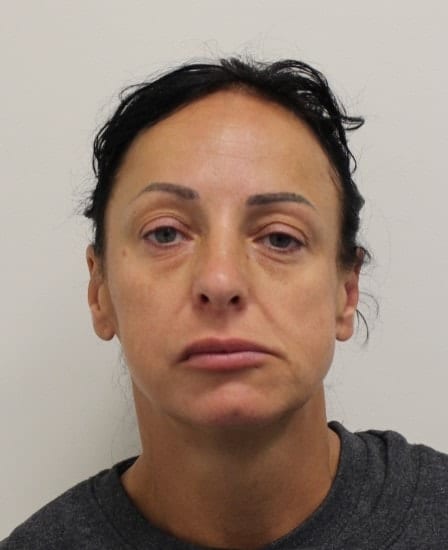 25 months in jail for woman who smuggled Thai cannabis
 Homes plan lodged for former Exeter leisure centre
 A Crowdfunding campaign has launched to raise some of the funds needed to build a permanent community “village green by the sea” in Exmouth.
 Fire Service issues enforcement notice for fire safety breaches at Torbay hospital
 Unsung heroes’ who keep Exeter looking good honoured at awards
 County Council backs plan to help young people build a future in Devon
 Householders urged to fight fly-tipping by choosing reputable removers
 Multi-million pound funding boost to Devon’s road’s
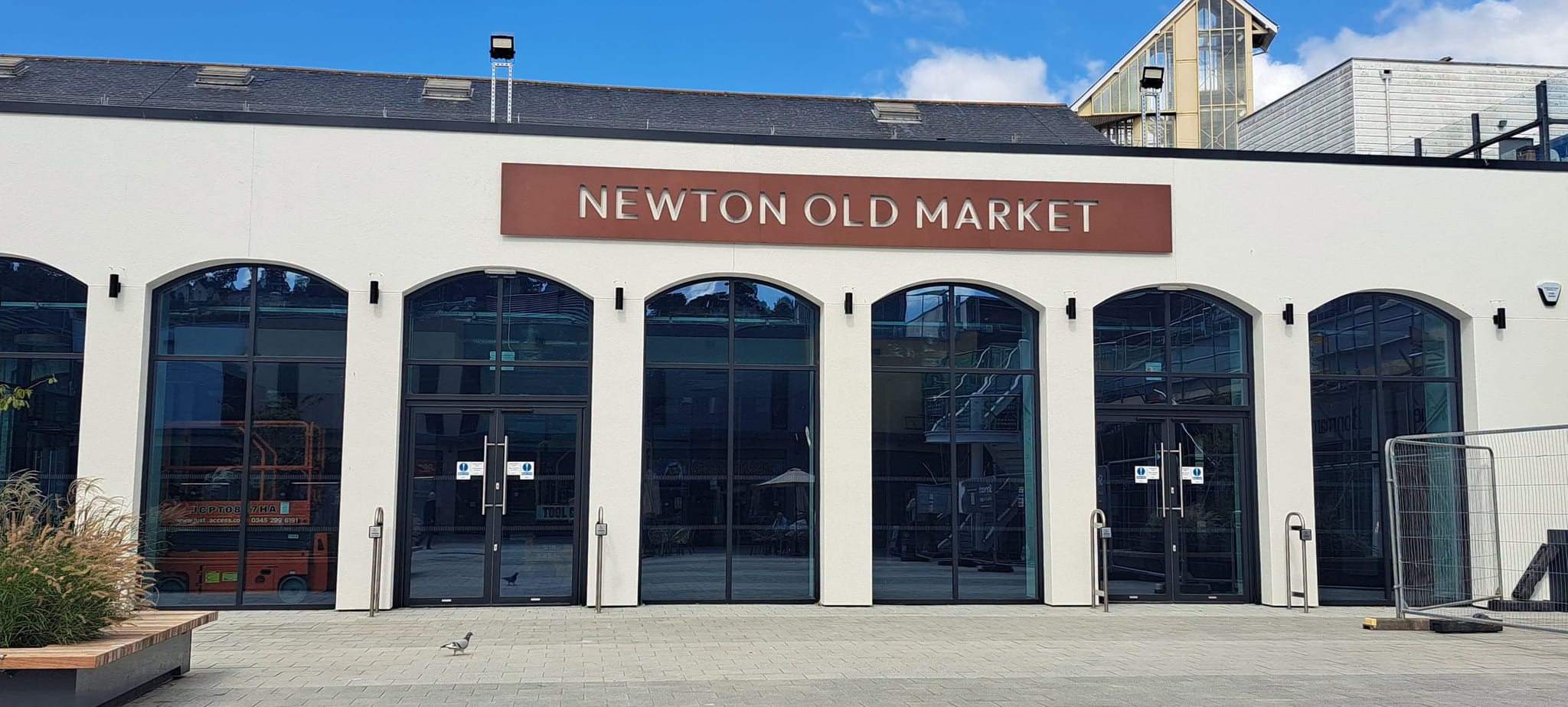 ‘Frustration’ as £5million Newton Abbot market stays shut