
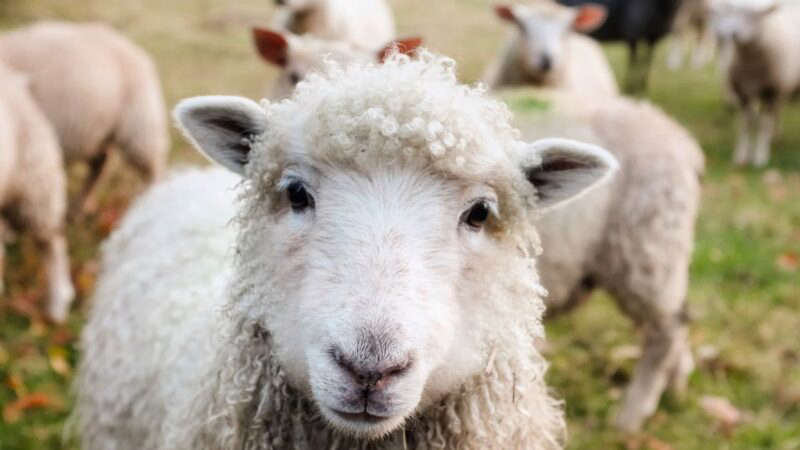
Devon County Councils Cabinet Member for Rural Affairs, Councillor Cheryl Cottle-Hunkin, has written to the Government calling for urgent action to support farmers affected by the growing Bluetongue outbreak in the Southwest.
Councillor Cottle-Hunkin, who is also a sheep farmer near Great Torrington, is struggling with Bluetongue among her own animals and says many farming businesses are facing significant challenges as the disease spreads.
In her letter to ministers and Southwest MPs, she warns that the response to the outbreak is not keeping pace with the scale of the problem.
She is calling for faster and simpler testing, clearer reporting of the number of affected farms, better communication with farmers about local cases, and sufficient vaccine supplies to meet demand.
She has also asked Government to provide financial support for affected farmers and to develop a long-term strategy for managing livestock diseases such as Bluetongue.
She said:
“Devon’s farmers are facing a very difficult and worrying situation,
“We need much faster testing, better communication and reliable access to vaccines to help protect livestock and support farming businesses.
“That’s why I’ve written to Government to press for urgent action.”
The council is reminding livestock keepers to remain vigilant. Cases of Bluetongue have been identified in ruminant animals across the county.
The council is sharing the latest guidance from DEFRA and the Animal and Plant Health Agency (APHA) with its tenant farmers.
And through the Heart of the South West Trading Standards Service, it is helping to raise awareness of government advice across the wider farming community.
Bluetongue is a viral disease that affects cattle, sheep, goats, alpacas, llamas and other ruminants. Symptoms can vary from animal to animal and can include fever, lameness, depression, swelling of the face neck or mouth, ulcers, drooling, snotty/bloody noses, partial blindness, unexplained reproductive problems and sudden death.
A council spokesperson said:
“Bluetongue is a notifiable animal disease, which means livestock keepers must report suspected cases to DEFRA immediately. Failure to do so is an offence.
“Early reporting is important because confirmation requires testing. Keepers should report suspicion of the disease to APHA using the helpline.
“We would also encourage livestock keepers to speak to their local vet, who can provide advice on testing, referrals and vaccination options.”
In England, suspected cases should be reported to the DEFRA Rural Services Helpline on 03000 200 301.
If you, or a farmer you know needs to talk to a sympathetic person over the phone, please call The Farming Community Network on 03000111999
 Scam letters requesting payment
 Matford Brook Academy Expands Facilities for New School Year
 Get vaccinated and don’t visit patients if unwell, health leaders urge as flu hits local hospitals
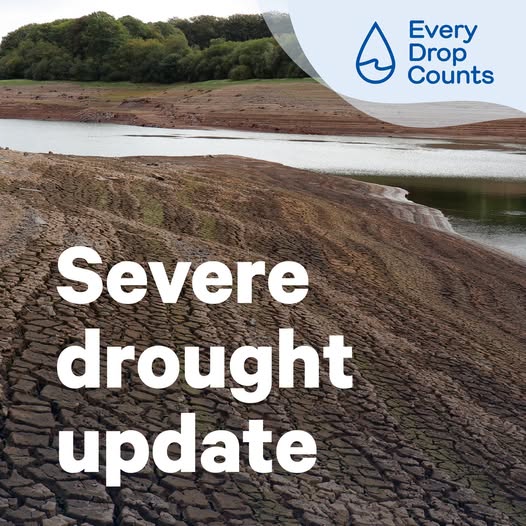 Severe drought declared as reservoir levels fall
 All Souls Day Festival returns to Exeter
 Starcross family raise £10k for Hospital ICU Garden Appeal
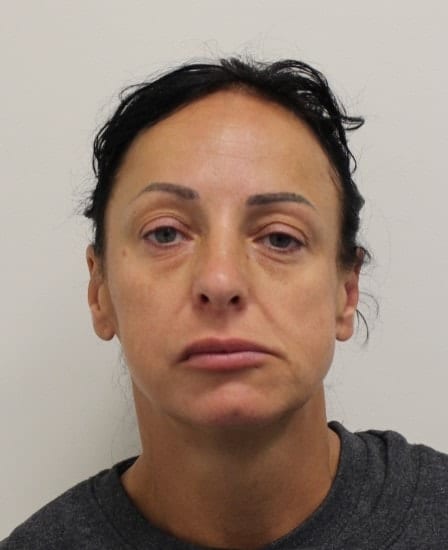 25 months in jail for woman who smuggled Thai cannabis
 Homes plan lodged for former Exeter leisure centre
 A Crowdfunding campaign has launched to raise some of the funds needed to build a permanent community “village green by the sea” in Exmouth.
 Fire Service issues enforcement notice for fire safety breaches at Torbay hospital
 Unsung heroes’ who keep Exeter looking good honoured at awards
 County Council backs plan to help young people build a future in Devon
 Householders urged to fight fly-tipping by choosing reputable removers
 Multi-million pound funding boost to Devon’s road’s
 ‘Frustration’ as £5million Newton Abbot market stays shut