More than £25 million has been raised by Devon’s councils through double-charging council tax on holiday homes as some of those forking out the extra cash brand it “totally unjust”.
Devon’s councils began charging a 100 per cent premium on holiday homes last year, and exclusive analysis by the Local Democracy Reporting Service can now show the extent of the gains.
Nine of the 10 Devon councils that collect council tax responded to the request for data, with the figures showing that these authorities collected more than £25 million between them. Devon County Council does not collect council tax but does receive the largest share through the precept system.
Supporters of the policy of double-charging council tax claim the extra money helps make local services more sustainable because high amounts of pressure are put on the likes of roads and refuse collections during the tourist season.
The ostensibly lower number of permanent residents caused by holiday homes also means there are fewer people to pay towards the upkeep of those services, those same proponents claim.
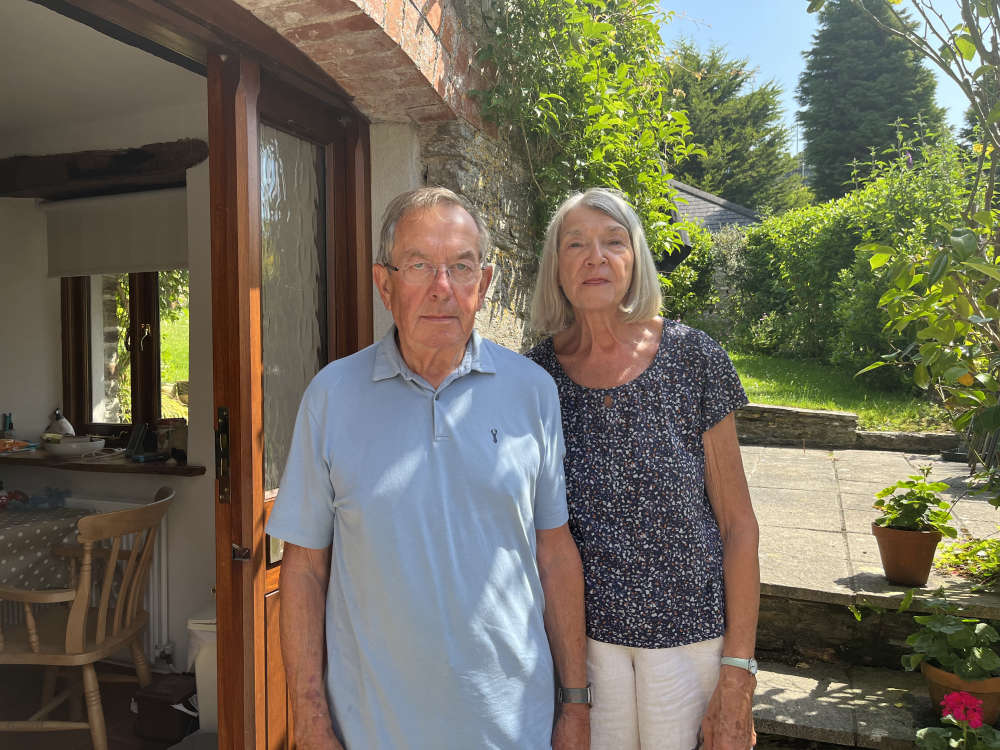
But Steve and Sue Toone, who have owned their second home in the South Hams village of Aveton Gifford for 22 years, have blasted the policy as “totally unjust”, noting they have always paid council tax on their Devon property – it just used to have a 25 per cent discount but now is double.
“It’s completely unfair,” Mr Toone, who lives in Derbyshire, said.
“It was purported to be about housing but that is nonsense as none of this money is going towards housing.”
Mr Toone, who is the chair of his local parish council, Bretby, said he and his wife spend a week each month in their second home, and upkeep over the years means they have “spent thousands” employing local tradespeople.
But the double council tax hit has now impacted their spending locally. The property is listed as Band D, which data from South Hams states as £2,613.94 in Aveton Gifford for the 2026/27 financial year, and so the Toone family will pay double that – £5,227.88.
“We haven’t got the money that we used to spend when we were down here,” Mrs Toone added. “We’ve spent tens of thousands of pounds doing it up with local tradespeople but we can’t afford that any more and it does also impact how much we use local restaurants.”
Mr Toone added that the pair had “decreed to spend as little as possible” while down in South Devon, bringing everything they need with them.
“We know it’s unfair on shop owners, etc, but we have made a pact that we won’t buy things down here unless it’s an emergency,” he said.
Cash boost
The biggest winners in terms of councils that collect the second-homes premium are arguably Torbay Council and Plymouth City Council. That’s because they are unitary councils, meaning they don’t have to pass any of what they have collected to a more senior authority.
Torbay collected more than £2.8 million in the first year of the second homes premium, while Plymouth bagged around £1.6 million. Some of that will go to the police and fire services – and Brixham Town Council in Torbay’s case – but that’s fewer proverbial mouths to feed than Devon’s district councils and Exeter City Council.
South Hams District Council collected around £7.6 million in second homes premium, but keeps just £603,000 as the vast majority goes to Devon County Council, with shares also due to the police and fire services, and parish councils too.
East Devon District Council was the next biggest collector, at around £5 million – above an estimate of £4.7 million – but it keeps just 7 per cent of this to help fund its services, with about 73 per cent heading to County Hall.
North Devon Council raised more than £3.4 million, but will keep just £353,000 compared to an earlier estimate of £420,000, while Torridge District Council collected £2.5 million – slightly below an estimated £2.6 million.
The rest of Devon’s councils that responded – Exeter City Council, West Devon District Council and Mid Devon District Council – collected sub-£1 million meaning the amount they each keep will be under £100,000. Teignbridge District Council said it could not provide figures because it was reviewing the impact of the premium, which would be discussed at a meeting in September.
Even though it doesn’t collect any council tax, Devon County Council receives the lion’s share of what residents pay.
That’s because its responsibilities include adult social care, which county councils and unitary councils can add 2 per cent onto council tax bills each year to help cover the costs of the service.
Curiously, the county council is not directly responsible for housing, which leads to critics of the second homes premium claiming little if any of the cash helps with housing needs.
In opposition, Councillor Julian Brazil (Liberal Democrat, Kingsbridge) had urged the Conservative county council administration to ring-fence the second homes premium cash to support housing projects, but now he leads the council he has been unable to fulfil that desire.
“Before I got into power, I was keen to invest this money into housing as it was a once-in-a-lifetime windfall, but then the government withdrew our rural services delivery grant, which about exactly matches the second homes council tax income,” he said.
He stated that the second homes cash was “not just going into the general pot”, but was replacing the rural grant taken away by the government at the end of 2024, and that “some of that crosses into housing related issues”.
South Hams District Council, where Cllr Brazil remains a member and where he previously led, and West Devon District Council, have both pledged to spend the income on housing initiatives.
Others may do the same, but specific pledges are likely to be developed in the coming months as councils fully analyse their respective incomes from the charge.
Mixed outcomes
The initial premise behind the policy nationally was linked to the Levelling Up and Regeneration Act 2023, with the then housing secretary, Michael Gove, believing it would reduce the number of empty or intermittently occupied homes and rejuvenate communities.
But in areas of Devon where holiday homes are more prevalent, the price tags of such properties even if they did come on the market may well be unaffordable for people on average salaries locally.
The number of new holiday home purchases has dropped in parts of Devon, according to research by estate agency Hamptons, which shows Torbay, the South Hams and East Devon were in the top 10 councils nationally for the scale of drop in the share of properties purchased as second homes between 2016 and 2026.
In Torbay, 19 per cent of property purchases were second homes in 2016, but that plummeted to 8 per cent in 2026, for instance, Hamptons data shows.
Selling might seem like the easy option for second home owners who detest the double council tax, but that’s not always straightforward.
“The house next to ours has been for sale for six months,” Mrs Toone said. “The suggestion when the policy was launched is that it would bring house prices down, but even with something like a 5 per cent drop in Salcombe, that doesn’t make it affordable for local people.”
There is evidence of the number of second homes dropping in other Devon councils, with Exeter City Council stating that it had assumed in February 2024 it would be charging 521 properties the premium, only for this to fall to 426 in May last year and 382 in March this year.
Various factors could be at play here, though, including potential exemptions for people who own second homes (which includes no charge while it is being put up for sale), the properties becoming a main residence and so not attracting the premium, or being switched into the business rates system.
However, data from some Devon councils doesn’t seem to suggest a widespread move by second-home owners to switch to the business rates system.
North Devon Council, which provided the most comprehensive data on this aspect, said the number of business rates self-catering units fell from 1,773 in March 2024, to 1,577 in March last year, followed by a small rise to 1,609 this March.
At the same time, the number of council tax assessments there has risen from 48,839 in March 2024 to 49,723 this March, and the number of unoccupied but furnished homes has dropped from 2,058 in 2024 to 1,893 (with 1,562 being second homes).
“It appears the number of unoccupied but furnished properties has reduced since the introduction of the premium, and with the total number of overall properties increasing, more properties are being used to live in as homes,” a spokesman for North Devon Council said.
Some might see that as the policy working because the number of properties being used as a primary residence has risen.
But looking around the country, some councils – including Rushcliffe Borough Council in Nottinghamshire – have proposed scrapping the premium already, while others have had to rewrite their rules, with one authority near to where the Toone family live – Derbyshire Dales District Council – applying a £3,000 bill on a hut with no running water.
“There are nine properties in this development, and four of them are holiday homes,” Mr Toone said of his second home.
“All of them feel the same as I do and all of them have been here for 20-odd years; there needs to be some compromise as I don’t see why we should pay extra for services we’re not using full-time.”
 Scam letters requesting payment
 Matford Brook Academy Expands Facilities for New School Year
 County Council backs renewed support for Devon farmers hit by bluetongue
 Get vaccinated and don’t visit patients if unwell, health leaders urge as flu hits local hospitals
 Severe drought declared as reservoir levels fall
 All Souls Day Festival returns to Exeter
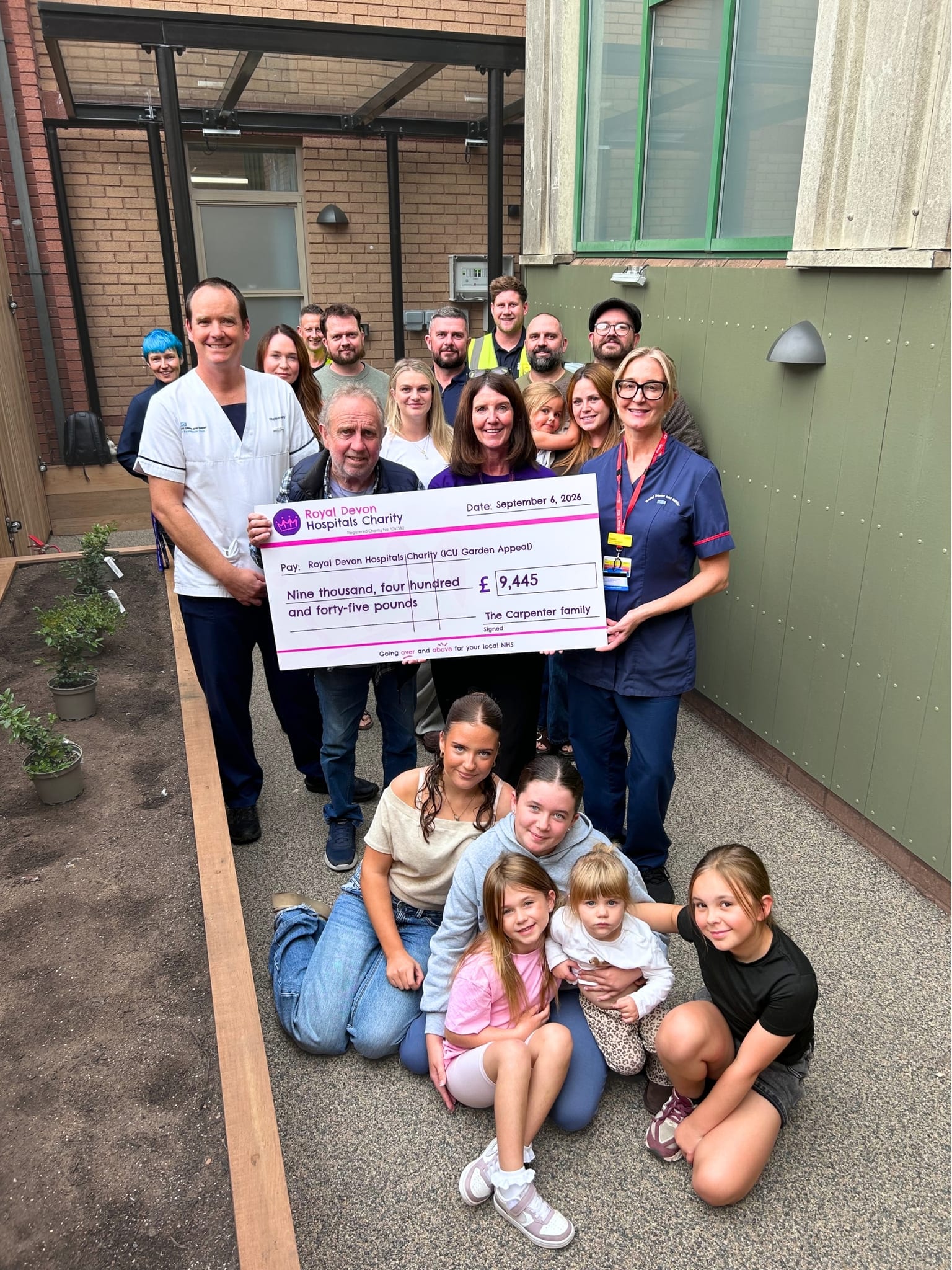 Starcross family raise £10k for Hospital ICU Garden Appeal
 25 months in jail for woman who smuggled Thai cannabis
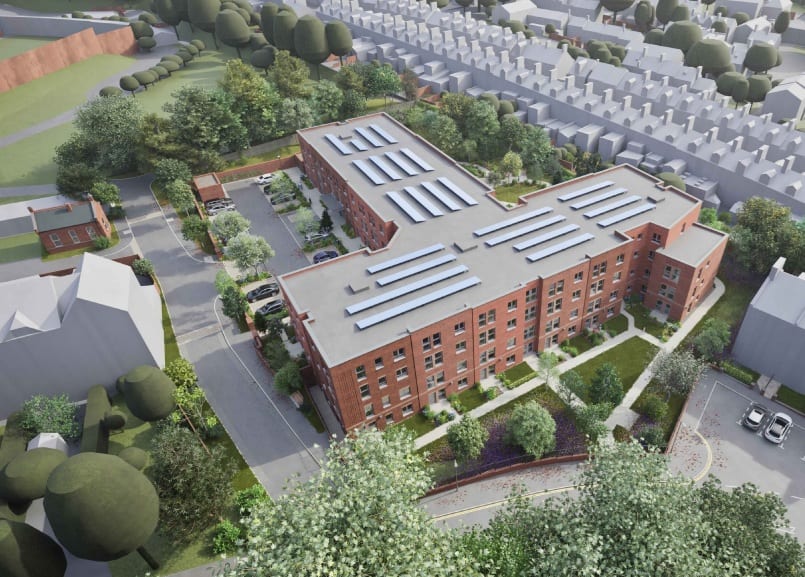 Homes plan lodged for former Exeter leisure centre
 A Crowdfunding campaign has launched to raise some of the funds needed to build a permanent community “village green by the sea” in Exmouth.
 Fire Service issues enforcement notice for fire safety breaches at Torbay hospital
 Unsung heroes’ who keep Exeter looking good honoured at awards
 County Council backs plan to help young people build a future in Devon
 Householders urged to fight fly-tipping by choosing reputable removers
 Multi-million pound funding boost to Devon’s road’s
 ‘Frustration’ as £5million Newton Abbot market stays shut