
As schools begin breaking up for the summer holidays with a warmer than average summer forecasted by the Met Office, the UKHSA is urging families to take simple steps to enjoy the summer break safely and protect their family’s health.
Further heat health alerts could be issued throughout the summer as temperatures rise. Particularly young children can be susceptible to the effects of heat, as well as older age groups. But anyone can be affected by particularly high temperatures, and spending time outdoors, travelling and taking part in sports and other activities can increase the risk of becoming unwell if simple precautions are not taken.
UKHSA is also joining forces with leading water safety charities to support them in warning young adults of the dangers of cooling off in open water. The advice comes ahead of World Drowning Prevention Day on 25 July, which aims to raise awareness of measures that can help prevent drowning and save lives.
UKHSA’s advice to families includes:
- keeping your home cool by closing windows and curtains in rooms that face the sun
- drinking plenty of fluids throughout the day
- try to avoid direct sunlight, especially between 11am and 3pm when UV levels are highest. If you do go outside, cover up with suitable clothing, such as an appropriate hat and sunglasses, and seek shade and apply sunscreen regularly
- if you are going to do a physical activity (for example, exercising or walking the dog), plan to do these during times of the day when it is cooler, such as the morning or evening. Also check weather forecasts to see when it will be cooler
- knowing the symptoms of heat exhaustion and heatstroke and what to do if you or someone else has them
People are encouraged to check the UKHSA Weather Health Alert dashboard and monitor Met Office alerts for the latest information and advice.
While swimming can be a great way to enjoy the summer, open water can present serious and often hidden dangers. Evidence from the Royal Life Saving Society UK (RLSS UK) shows that many of these tragedies are preventable. A recent report found that in 87% of child drowning deaths, factors were identified that could have prevented the death, including lack of adult supervision, unsafe environments, accessible water and the absence of safety measures. According to RLSS UK, 90% of accidental drownings over the last five years occurred at open water sites, either inland or on the coast.
Even on warm days, water temperatures can remain dangerously cold. Entering cold water suddenly can trigger cold water shock, causing an involuntary gasp, rapid breathing and loss of control in the water.
To stay safe around water:
- supervise children closely at all times
- swim at lifeguarded locations whenever possible
- enter the water slowly to allow your body to adjust to the temperature
- being aware that open water is usually much colder than it looks
- leaving the water immediately if you begin to feel cold or unwell
- always swim with others and look out for each other
- swimming parallel to the shore rather than away from it
- wearing a life jacket or buoyancy aid when taking part in activities such as boating, paddleboarding, kayaking or fishing
- Carry a means of calling for help whenever possible. If heading out alone, tell someone where you are going and when you expect to return.
- if you get into difficulty in the water, Float to Live by tilting your head back, floating on your back and controlling your breathing until help arrives or you are able to swim to safety
If you see someone in difficulty in the water, call 999 immediately and ask for the Coastguard if at the coast.
Elizabeth Smout, Regional Deputy Director of Health Protection at UKHSA, said:
"As schools break up for the summer holidays and families across the South West spend more time outdoors enjoying everything this beautiful region has to offer, we want everyone to enjoy the warmer weather safely. Simple steps such as staying hydrated, keeping out of the sun during the hottest part of the day, wearing sunscreen and staying aware of the signs of heat exhaustion can help prevent illness during periods of hot weather.
"The South West has some of the most stunning open water in the country, and we know how tempting it can be for young people to cool off in rivers, lakes and coastal waters when the sun is out. But we also know just how tragically this can end. If you're a parent or guardian, please speak to children about the risks of swimming in open water and follow the advice from our partners such as the Royal Life Saving Society UK."
Ashley Jones, Head of Water Safety Education at the Royal Life Saving Society UK (RLSS UK), said:
“The warmer summer months unfortunately bring an increased risk of drowning, especially for 13–17-year-olds. RLSS UK encourages everyone to equip themselves, their children, and teenagers, with water safety knowledge and skills, such as being able to float, before heading out to enjoy water safely. Young people can look out for their friends by speaking up if mates are taking dangerous risks around open water.”
Ross Macleod, Water Safety Manager at Royal National Lifeboat Institution (RLNI) said:
“If you are visiting the coast this summer, the best way to keep yourself and others safe is to visit a lifeguarded beach and swim between the red and yellow flags. This designated area is actively monitored.
“Anyone who finds themselves in danger in the water should fight the panic instinct and Float to Live. They should try to relax and float on their back, with head tilted back, gently moving their hands and legs to help them stay afloat. This buys valuable time to get your breathing back under control, before then calling for help or swimming to safety.
“If you see someone else in danger – do not enter the water yourself as you could also end up in serious difficulty. Instead, remember phone, float, throw – phone 999 or 112 and ask for the Coastguard; tell the struggling person to float; throw them something buoyant, like a life ring.
“By remembering this advice and sharing it widely, we can all play a role in helping to save more lives from drowning.”
Gastrointestinal (GI) illnesses linked to wild swimming
We know that periods of hot weather are associated with an increase in gastrointestinal illnesses among open-water swimmers. With the South West home to some of England's most popular wild swimming spots, we are urging anyone heading into open water to check conditions before swimming and follow safety advice.
The advice is:
Before you swim
Check water quality on the Environment Agency's free Swimfo service before you swim, as water quality can be temporarily reduced after rainfall, high tides or hot weather.
While you are in the water
- Try to avoid swallowing water
- Keep any cuts covered with a waterproof plaster
- Take notice of any local safety signs
After your swim
- Wash your hands thoroughly with soap and water before eating
- Clean any cuts or abrasions carefully
- If you become ill with diarrhoea or vomiting after swimming in open water, seek medical advice and let your doctor know you have been wild swimming
- Do not return to the water until at least 48 hours after your symptoms have stopped, to protect both yourself and others using the water
 Scam letters requesting payment
 Matford Brook Academy Expands Facilities for New School Year
 County Council backs renewed support for Devon farmers hit by bluetongue
 Get vaccinated and don’t visit patients if unwell, health leaders urge as flu hits local hospitals
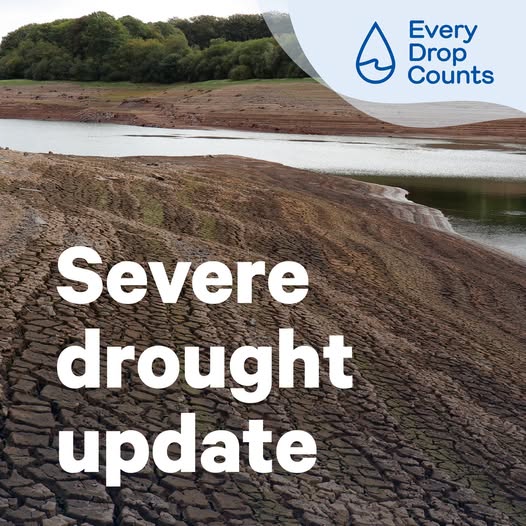 Severe drought declared as reservoir levels fall
 All Souls Day Festival returns to Exeter
 Starcross family raise £10k for Hospital ICU Garden Appeal
 25 months in jail for woman who smuggled Thai cannabis
 Homes plan lodged for former Exeter leisure centre
 A Crowdfunding campaign has launched to raise some of the funds needed to build a permanent community “village green by the sea” in Exmouth.
 Fire Service issues enforcement notice for fire safety breaches at Torbay hospital
 Unsung heroes’ who keep Exeter looking good honoured at awards
 County Council backs plan to help young people build a future in Devon
 Householders urged to fight fly-tipping by choosing reputable removers
 Multi-million pound funding boost to Devon’s road’s
 ‘Frustration’ as £5million Newton Abbot market stays shut