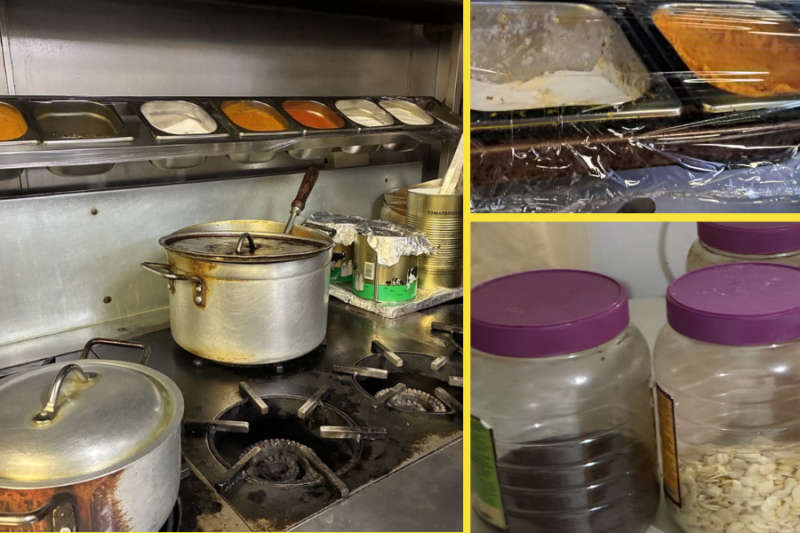
Devon County Council are urging residents with food allergies to take extra care when ordering takeaway meals from curry houses after 78 per cent of food outlets tested by Trading Standards failed allergen tests
Of the 37 businesses sampled from across Devon, Somerset and Torbay 29 sold food containing milk even though the customer declared that they had a milk allergy.
And in Devon 80 per cent – 16 out of 20 – failed, with ten out of 12 failing in Somerset and three out of five in Torbay.
Between January and March this year Trading Standards officers purchased the takeaway meals from a mixture of takeaways and restaurants across Devon, Somerset and Torbay to test businesses’ allergen management systems.
Businesses were selected using intelligence from Local Authority Environmental Health Officers.
Samples of meals sold as being suitable for customers with a milk allergy were tested and most contained milk.
The findings has prompted our Heart of the South West Trading Standards to remind customers that they should tell staff about any allergy they have before ordering, and that they should ask staff about hidden ingredients and possible cross-contamination.
Our officer’s advice is not to rely on menus or websites, as recipes and ingredients can change.
Customers should also be aware that vegan food is not always dairy-free and can still contain traces of milk.
Food catering businesses have a legal obligation to take all reasonable steps to ensure the food they supply is safe and not misleading.
Using chicken that had been marinated in dairy products, cross-contamination, and ‘may contain’ statements on herbs and spices, were found to the be top three possible causes of the failures.
Trading Standards and Environmental Health Officers have been working closely with these businesses to help them improve their allergen management systems.
If a restaurant or takeaway food business is unable to ensure meals are free of a specific allergen, they should explain that they are unable to guarantee that a meal will not contain specific allergens, and for their safety politely decline to serve the customer. Restaurants and food establishments must provide accurate information on any allergenic ingredients on request.
Written recipes, allergen matrix documents, labelling and storing allergenic ingredients separately are all steps that can help control allergens in food.
Before ordering prepared foods from a business, it is vital that customers clearly communicate if they have an allergy.
Check and check again to ensure the food you are ordering is allergy safe.
Catering business owners should be displaying a notice that advises customers to ask about allergens when ordering.
 Scam letters requesting payment
 Matford Brook Academy Expands Facilities for New School Year
 County Council backs renewed support for Devon farmers hit by bluetongue
 Get vaccinated and don’t visit patients if unwell, health leaders urge as flu hits local hospitals
 Severe drought declared as reservoir levels fall
 All Souls Day Festival returns to Exeter
 Starcross family raise £10k for Hospital ICU Garden Appeal
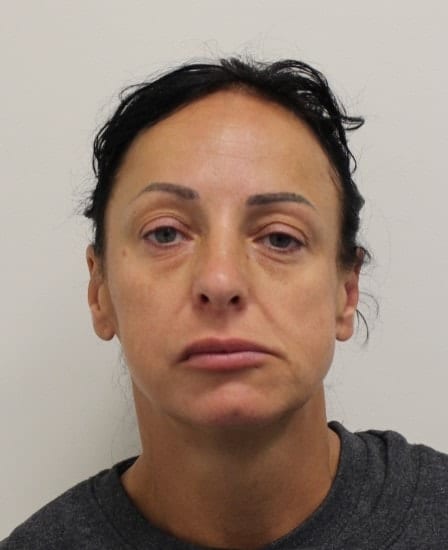 25 months in jail for woman who smuggled Thai cannabis
 Homes plan lodged for former Exeter leisure centre
 A Crowdfunding campaign has launched to raise some of the funds needed to build a permanent community “village green by the sea” in Exmouth.
 Fire Service issues enforcement notice for fire safety breaches at Torbay hospital
 Unsung heroes’ who keep Exeter looking good honoured at awards
 County Council backs plan to help young people build a future in Devon
 Householders urged to fight fly-tipping by choosing reputable removers
 Multi-million pound funding boost to Devon’s road’s
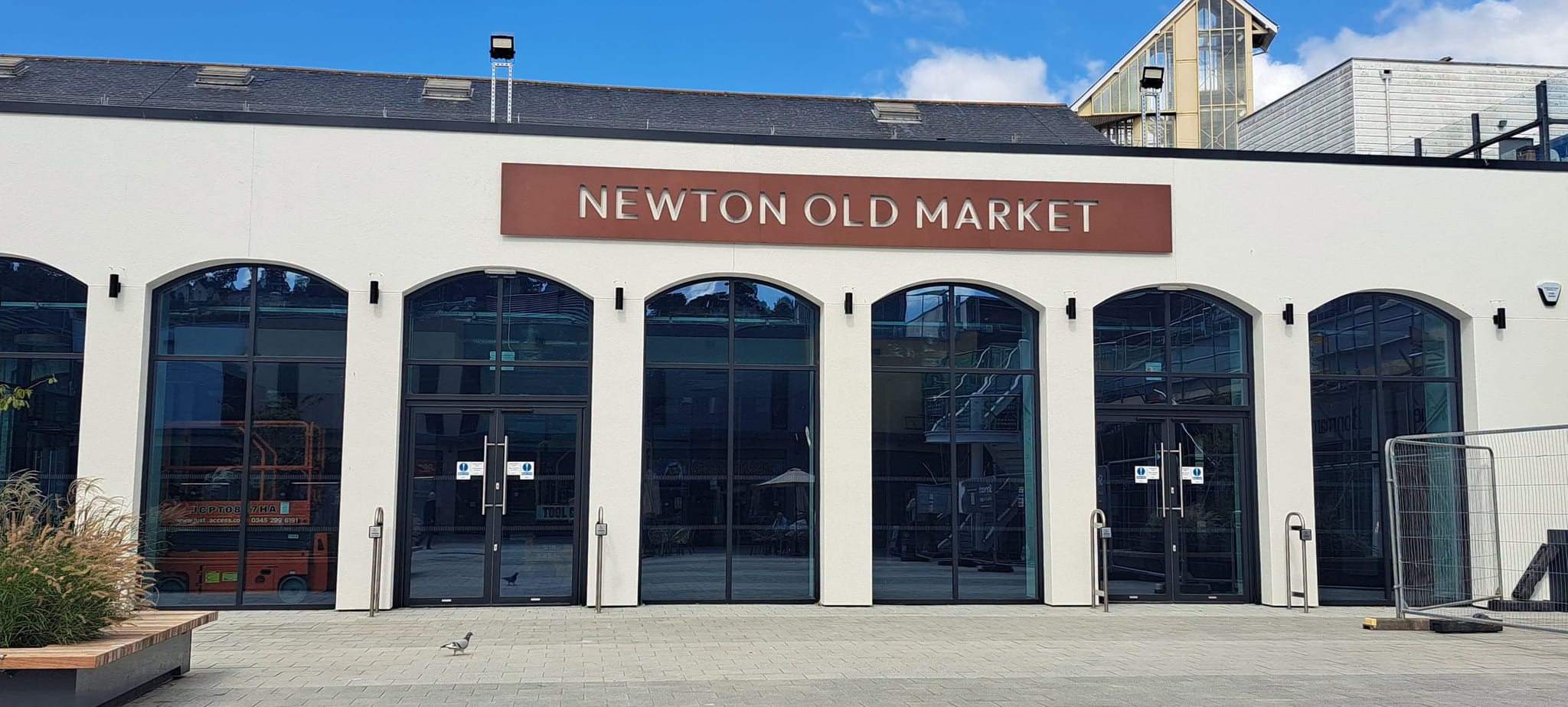 ‘Frustration’ as £5million Newton Abbot market stays shut